The Clash of Worldviews: Finding Hope in the Unknown
“Then certain philosophers of the Epicureans, and of the Stoicks, encountered him. And some said, What will this babbler say? other some, He seemeth to be a setter forth of strange gods: because he preached unto them Jesus, and the resurrection.” — Acts 17:18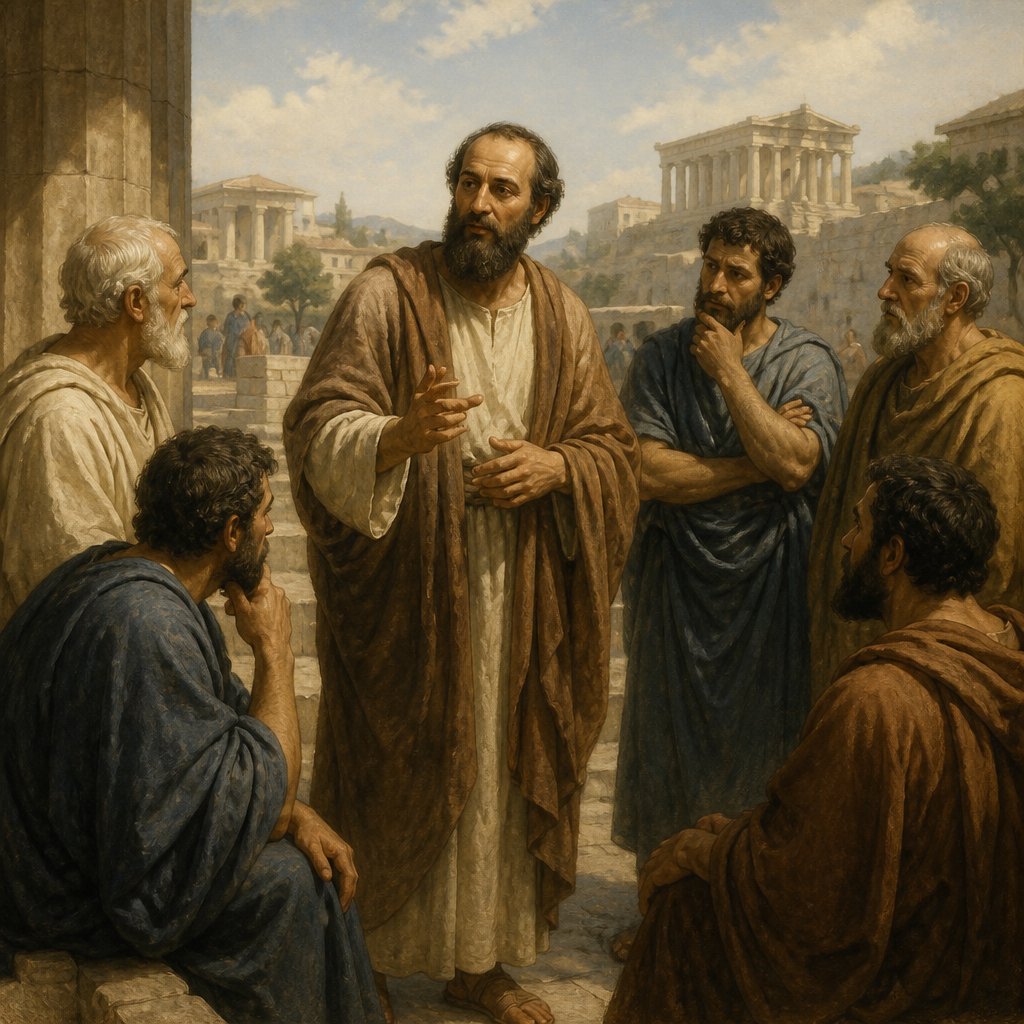
In Acts 17:18 (KJV), we read, "Then certain philosophers of the Epicureans, and of the Stoicks, encountered him. And some said, What will this babbler say? other some, He seemeth to be a setter forth of strange gods: because he preached unto them Jesus, and the resurrection." This encounter between the Apostle Paul and the philosophers of Athens presents a significant moment in the unfolding narrative of the early Church and the dissemination of the Gospel. It reveals the complexities of faith, reason, and the human experience as Paul engages with the intellectual elite of his time.
As we consider Paul's introduction to the Epicureans and Stoics, we must understand who they were. The Epicureans believed in pursuing pleasure and avoiding pain, considering the divine as uninvolved in human affairs. In stark contrast, the Stoics valued virtue, wisdom, and self-control, viewing the cosmos as an interconnected rationality to which humanity must conform. These two philosophical systems, though different in their conclusions, shared a fundamental skepticism towards the concept of a personal god—a notion that Paul boldly countered.
When Paul preached of Jesus and the resurrection, he was not merely providing an alternative philosophical viewpoint; he was proclaiming a transformative truth. The message of the Gospel is one that disrupts preconceived notions and challenges the foundations upon which worldly wisdom is built. The reactions of the philosophers, branding Paul a "babbler" and a purveyor of "strange gods," reflect a common human response to the divine—fear, confusion, and sometimes rejection.
In our contemporary context, believers often find themselves in similar situations as they engage with skeptical friends, family, or coworkers who hold tightly to their worldviews. The modern-day philosophers may not wear the labels of Epicurean or Stoic, but they embody the same attributes: they seek pleasure, autonomy, and truth as defined by personal experience rather than external divine revelation. In these conversations, the unfamiliarity of the Gospel can elicit questions like, "What will this babbler say?"—a dismissal of the profound truths that can bring life and hope.
Yet, just as Paul did, we are called to articulate our faith in a language that resonates with the current philosophical climate. We must not shy away from the challenge of discussing Jesus Christ and the resurrection, which fundamentally disrupts the status quo. To preach of the resurrection is to introduce the unimaginable—a re-defining of reality that elevates hope above despair, life above death, and joy above suffering. Paul was offering more than just a theological proposition; he was inviting these philosophers to experience the radical love and grace of God that comes through faith in Jesus.
The Apostle did not merely understand his mission; he embodied it. He engaged the culture, attuning himself to the philosophical frameworks of his audience while uncompromisingly presenting the Gospel. This approach serves as a powerful model for us today. When we communicate our faith, we must do so with sensitivity, clarity, and an unwavering commitment to the truth of the Gospel.
In the midst of a world that often deems our beliefs as strange or outdated, let us take heart. Our message of Christ's resurrection is not just for the erudite philosopher; it is for the skeptic, the seeker, and the broken-hearted. Like the Epicureans and Stoics of old, many are encountering the truth of Jesus for the first time. It is essential that we respond not just with well-articulated arguments but with lives transformed by the very resurrection we proclaim.
Ultimately, Acts 17:18 implores us to embrace the present moment when we are encountered by the questions of our culture. May we be prepared, as Paul was, to share our faith confidently, knowing that even in the face of skepticism, the power of the Gospel remains alive and active. As we step forward in faith, we bring with us the promise of hope, renewal, and the inexplicable joy found in Christ's resurrection—a truth that, no matter how strange it may sound to others, can change lives forever.
Get our apps


Artwork for Acts 17:18

Acts 17:18 Then certain Epicurean and Stoic philosophers encountered him. And some said, “What does this babbler want to say?”

Acts 17:18 Then certain Epicurean and Stoic philosophers encountered him. And some said, “What does this babbler want to say?”

Acts 17:18 - "Then certain philosophers of the Epicureans, and of the Stoicks, encountered him. And some said, What will this babbler say? other some, He seemeth to be a setter forth of strange gods: because he preached unto them Jesus, and the resurrection."
"Then certain philosophers of the Epicureans, and of the Stoicks, encountered him. And some said, What will this babbler say? other some, He seemeth to be a setter forth of strange gods: because he preached unto them Jesus, and the resurrection." - Acts 17:18

Acts 18:17 - "Then all the Greeks took Sosthenes, the chief ruler of the synagogue, and beat him before the judgment seat. And Gallio cared for none of those things."

Acts 5:17-18 - "Then the high priest and all his associates, who were members of the party of the Sadducees, were filled with jealousy. They arrested the apostles and put them in the public jail."

Acts 2:17

Acts 2:17

Acts 2:17

Acts 16:17

Acts 14:17

Acts 17:15

Acts 17:27

Matthew 17:17-18

Acts 18:12

Acts 18:12

Matthew 17:17-18

Acts 17:17 - "Therefore disputed he in the synagogue with the Jews, and with the devout persons, and in the market daily with them that met with him."
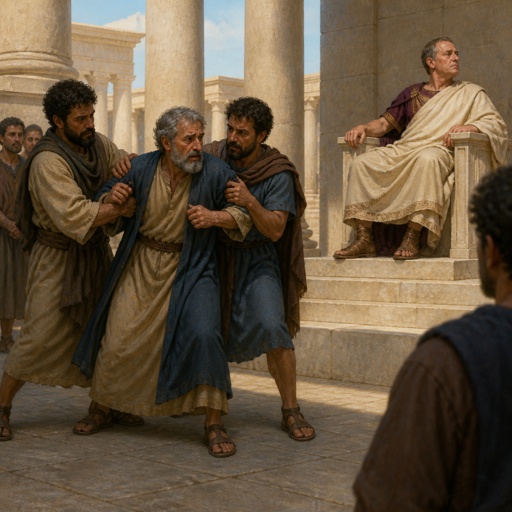
"Then all the Greeks took Sosthenes, the chief ruler of the synagogue, and beat him before the judgment seat. And Gallio cared for none of those things." - Acts 18:17

John 7:17-18

John 7:17-18

John 7:17-18

John 7:17-18

Acts 17:33 - "So Paul departed from among them."

Genesis 18-17

Acts 8:17 - "Then laid they their hands on them, and they received the Holy Ghost."

Genesis 17-18

Acts 18:16 - "And he drave them from the judgment seat."

Acts 19:18 - "And many that believed came, and confessed, and shewed their deeds."

Acts 17:8 - "And they troubled the people and the rulers of the city, when they heard these things."