Reasoning through Scriptures: The Heart of Disciple-Making
“And Paul, as his manner was, went in unto them, and three sabbath days reasoned with them out of the scriptures,” — Acts 17:2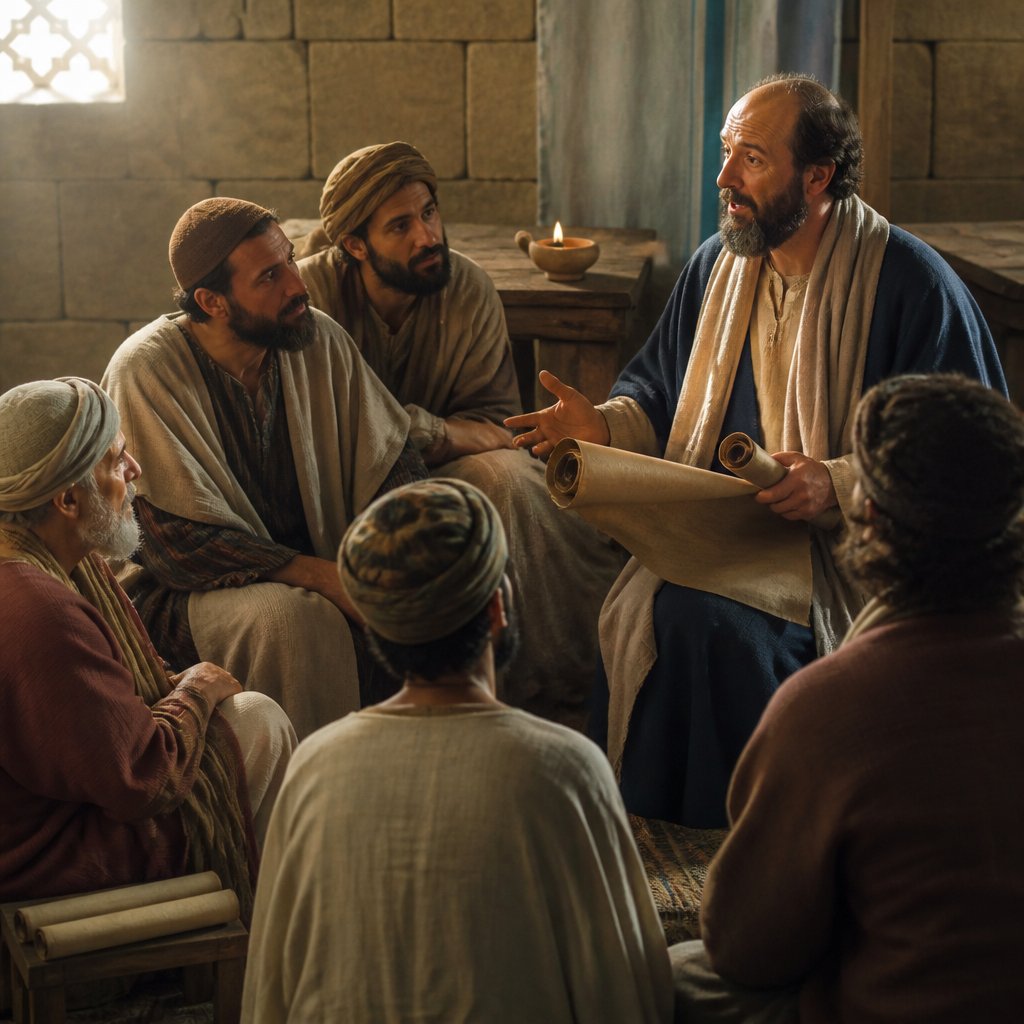
Acts 17:2 states, "And Paul, as his manner was, went in unto them, and three sabbath days reasoned with them out of the scriptures." This verse illuminates not just Paul’s commitment to God’s word but also sets a poignant example for how we ought to engage with others regarding our faith.
In the bustling city of Thessalonica, Paul displayed a distinct pattern of evangelism: he engaged in discussion, he reasoned, and he did so using the scriptures. His approach was neither haphazard nor superficial; it was systematic and grounded. Paul’s way of evangelism invites us to reflect on our own practices. The phrase “as his manner was” suggests that this was not a single act of outreach but part of a consistent lifestyle. Paul was known for this. It challenges us to examine whether being deep in scriptural reasoning is a habit—our manner of discipleship.
First, we must appreciate the context in which Paul was operating. He entered the synagogue with a purpose: to reason from the scriptures. This signifies that the scriptures were not simply a backdrop for his discussions; they were the foundation. His use of the term ‘reasoned’ implies dialogue and engagement rather than one-sided preaching. Paul was not merely delivering a monologue; he was seeking interaction, understanding, and a common ground with his audience.
In our contemporary world, where opinions are expressed frequently and often without much backing, we have an opportunity to bring reason back into the discourse. As believers, we should not shy from voicing our beliefs but do so with thoughtful consideration. Our conversations should be grounded in the Bible, conveying its truths through love and respect for those we engage with.
Furthermore, the extent of Paul’s engagement is notable—he spent three sabbath days reasoning with the Thessalonians. This implies a level of persistence and dedication. Effective evangelism often requires time. In our instant-gratification culture, we may be tempted to conduct only quick conversations that leave little room for depth. However, Paul’s example shows that many have come to understand and embrace faith not through a flash-in-the-pan approach but through sustained engagement.
As disciples of Christ, we must be willing to share our faith across different lengths of time. We need to be prepared for the long haul. Building relationships takes time. We may encounter resistance along the way, as seen in Paul’s life; yet, patience and perseverance often yield fruitful results. The story of the Thessalonians does not end with initial rejection but includes a vibrant community that later embraced the Gospel.
Moreover, Paul’s three weeks of reasoning embodies an immersion in the Scriptures and sharing knowledge. How often do we equip ourselves with the word of God to effectively convey our beliefs? In an age rife with alternative narratives, we must stand firm in the truth of God’s word as a litmus test against false teachings. Diligent study and reflection on the Scriptures equip us to not only understand our faith deeply but also articulate it effectively to others.
Finally, Paul’s engagement with the Thessalonians was rooted in love, demonstrating that our conversations should always be undergirded by compassion. Every dialogue about faith should reflect the heart of Christ, ultimately aimed at revealing God’s love and inviting others into a relationship with Him. Reasoning through the Scriptures is not an academic endeavor but a heartfelt outreach meant to bring souls to salvation.
In conclusion, Acts 17:2 serves as both a mandate and an invitation to us as followers of Christ. May we not only adopt Paul's manner of reasoning but also exhaustively engage with Scripture, showing patience, depth, compassion, and a genuine desire to lead others toward the truth of the Gospel. Let us commit ourselves to be diligent students of the word, passionate communicators of faith, and patient disciple-makers as we carry forth the Great Commission.
Get our apps


Artwork for Acts 17:2

Acts 17:2 - "And Paul, as his manner was, went in unto them, and three sabbath days reasoned with them out of the scriptures,"

Acts 17:2-3 - "As was his custom, Paul went into the synagogue, and on three Sabbath days he reasoned with them from the Scriptures, explaining and proving that the Messiah had to suffer and rise from the dead. "This Jesus I am proclaiming to you is the Messiah," he said."
"And Paul, as his manner was, went in unto them, and three sabbath days reasoned with them out of the scriptures," - Acts 17:2
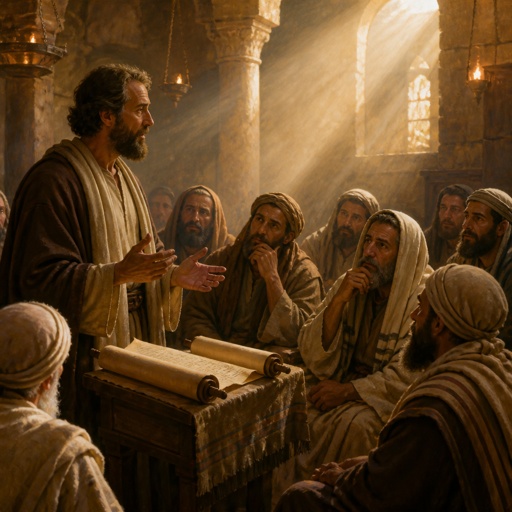
"As was his custom, Paul went into the synagogue, and on three Sabbath days he reasoned with them from the Scriptures, explaining and proving that the Messiah had to suffer and rise from the dead. "This Jesus I am proclaiming to you is the Messiah," he said." - Acts 17:2-3

Acts 2:17

Acts 2:17

Acts 2:17

create an image to show Acts 2:17

2 Kings 21:17 - "¶ Now the rest of the acts of Manasseh, and all that he did, and his sin that he sinned, are they not written in the book of the chronicles of the kings of Judah?"

Acts 16:17

Acts 14:17

Acts 17:15

Acts 17:27

Acts 17:17 - "Therefore disputed he in the synagogue with the Jews, and with the devout persons, and in the market daily with them that met with him."

Acts 17:33 - "So Paul departed from among them."

2 Kings 17:17 - "And they caused their sons and their daughters to pass through the fire, and used divination and enchantments, and sold themselves to do evil in the sight of the LORD, to provoke him to anger."

Acts 8:17 - "Then laid they their hands on them, and they received the Holy Ghost."

Acts 17:8 - "And they troubled the people and the rulers of the city, when they heard these things."

Acts 1:17 - "For he was numbered with us, and had obtained part of this ministry."

Depict the events of Acts 19:14-17

Acts 20:17 - "¶ And from Miletus he sent to Ephesus, and called the elders of the church."

Acts 2:2

Acts 2:2

Acts 17:9 - "And when they had taken security of Jason, and of the other, they let them go."

Acts 21:17 - "And when we were come to Jerusalem, the brethren received us gladly."

Acts 2:17 - "And it shall come to pass in the last days, saith God, I will pour out of my Spirit upon all flesh: and your sons and your daughters shall prophesy, and your young men shall see visions, and your old men shall dream dreams:"

Acts 24:17 - "Now after many years I came to bring alms to my nation, and offerings."

Acts 17:30 - "And the times of this ignorance God winked at; but now commandeth all men every where to repent:"

Acts 17:12 - "Therefore many of them believed; also of honourable women which were Greeks, and of men, not a few."

Acts 17:1 - "Now when they had passed through Amphipolis and Apollonia, they came to Thessalonica, where was a synagogue of the Jews:"