A Call to Repentance: Awakening from Ignorance
“And the times of this ignorance God winked at; but now commandeth all men every where to repent:” — Acts 17:30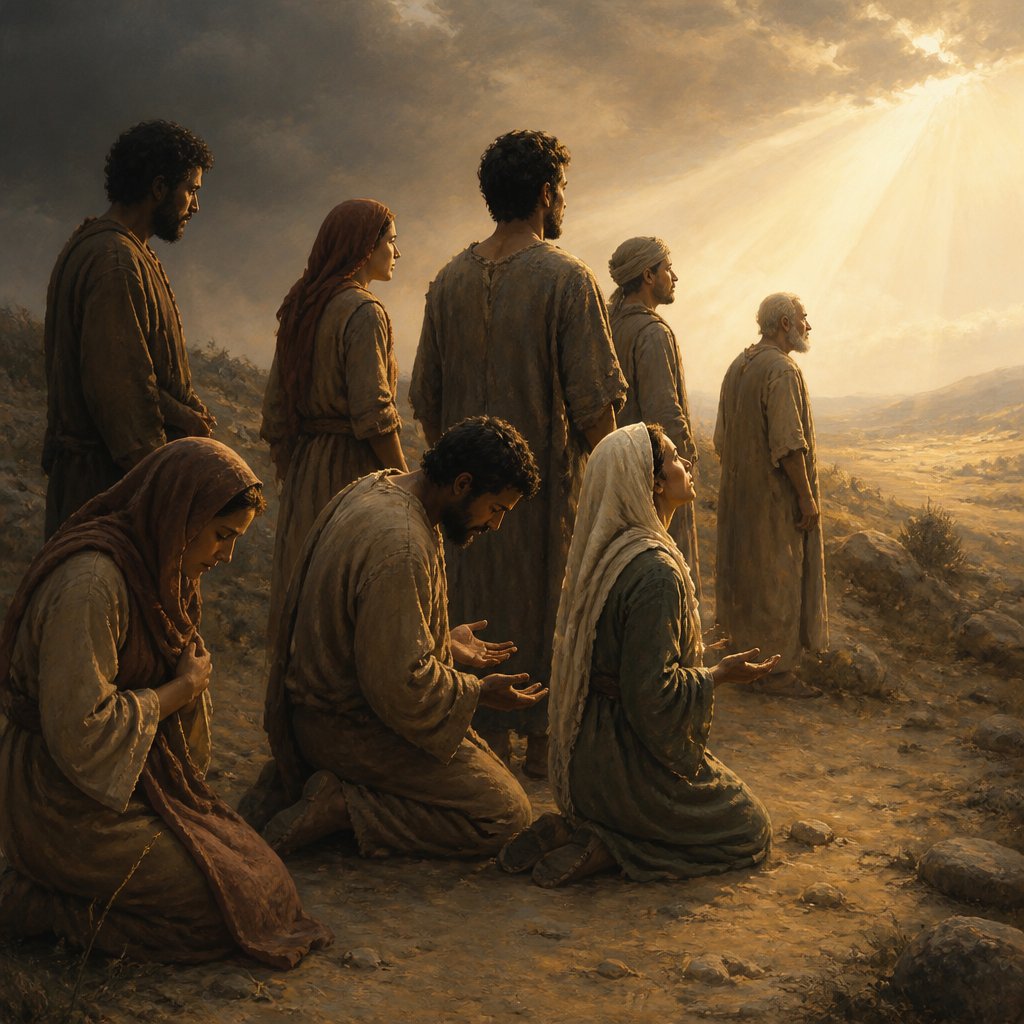
**A Call to Repentance: Awakening from Ignorance**
In Acts 17:30, we encounter a profound declaration that resonates deeply with the human condition: "And the times of this ignorance God winked at; but now commandeth all men every where to repent" (KJV). This verse is a wake-up call—a theological trumpet announcing the necessity of repentance, not just for some but for all of humanity. To understand the weight of this verse, we must delve deeper into its implications both historically and personally.
The context in which the Apostle Paul spoke these words was critical. He was addressing the philosophers of Athens, a city filled with idols and steeped in a culture that had strayed far from the truth of God. Paul recognized that the Athenians were worshiping the unknown God, engaging in superstition and ignorance of the Creator who made the world and everything in it (Acts 17:24). In this setting, the Apostle was revealing God’s patience towards humanity's ignorance. God had, for generations, provided grace, allowing people to wander in their folly. However, this grace was not a license to sin; it was a temporary state of forbearance.
But now, Paul proclaims, God commands all people to repent. This transition signifies a revolutionary change in God’s interaction with humanity. The resurrection of Christ marked an era where ignorance can no longer be overlooked. The phrase “winked at” highlights God's long-suffering nature. In biblical history, we see time and time again where God allowed His people to stumble in their state of ignorance; yet He was always leading them back, nudging them toward enlightenment and deeper truth.
Here is where the call to repentance cuts through the fabric of human complacency. Repentance, often misunderstood as a mere feeling of regret or guilt, is fundamentally a radical turning away from sin and turning towards God. This means not only confessing one's wrongdoings but also actively changing one’s mindset and lifestyle to align with God’s will.
In today's world, ignorance manifests in various forms—cultural relativism, secularism, materialism, and even in the benign apathy toward spiritual matters. Many modern individuals might find themselves like the Athenians, engaging in a plethora of beliefs and practices without a true understanding of the Gospel's transformative power. The idols of our age—money, fame, acceptance, and power—often distract our focus away from the God who commands our attention and affections.
In this era, the call to repentance is urgent. God is commanding us to turn away from the distractions and distortions that keep us from a true relationship with Him. Like a father correcting his child, God's command for repentance is infused with love and desire for our restoration. This command is not made to shackle us with guilt but to liberate us into the fullness of life found in Christ.
The necessity to repent does not merely apply to those outside the faith. As believers, we too must examine the areas of ignorance within our lives. Are there spaces where we have become complacent, unsure, or even misled? God’s command to repent applies universally—each one of us is called to align more closely with His holiness. This requires soul-searching and a humble acknowledgment of where we fall short of the glory of God.
As we embrace this command, let us remember that repentance is both a privilege and a responsibility. It is an invitation to experience God’s mercy and grace afresh. When we respond to this call, we engage in the beautiful act of returning to our Creator.
Let this serve as a reminder: God is not merely waiting for us to disrupt our ignorance; He is actively involved in drawing us to Himself. The resurrection declares His power over sin and invites us to partake in the freedom it brings.
In conclusion, let us heed the calling embedded within Acts 17:30. May we repent, turning our hearts toward God, relinquishing our ignorance and embracing the light of His truth. For in repentance, there is restoration, renewal, and reawakening—an awakening that leads each of us closer to the heart of God.
Get our apps


Artwork for Acts 17:30

Acts 17:30 - "And the times of this ignorance God winked at; but now commandeth all men every where to repent:"
"And the times of this ignorance God winked at; but now commandeth all men every where to repent:" - Acts 17:30

Acts 17:30-31 - "In the past God overlooked such ignorance, but now he commands all people everywhere to repent. For he has set a day when he will judge the world with justice by the man he has appointed. He has given proof of this to everyone by raising him from the dead."
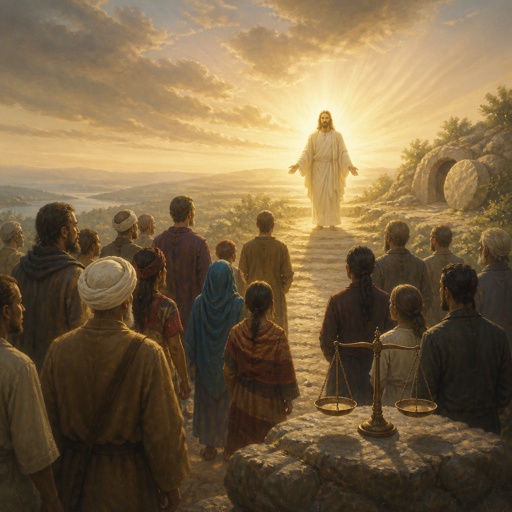
"In the past God overlooked such ignorance, but now he commands all people everywhere to repent. For he has set a day when he will judge the world with justice by the man he has appointed. He has given proof of this to everyone by raising him from the dead." - Acts 17:30-31

Acts 4:30

Acts 4:30

Acts 4:30

Acts 4:30

Acts 13:30 - "But God raised him from the dead:"

ACTS 8:30 Philip and the Ethiopian

Acts 2:17

Acts 2:17

Acts 2:17

Mark 10:17-30

Mark 10:17-30

Acts 11:30 - "Which also they did, and sent it to the elders by the hands of Barnabas and Saul."

Acts 16:17

Acts 17:15

Acts 14:17

Acts 17:27

Exodus 30:17 - "¶ And the LORD spake unto Moses, saying,"

Acts 19:30 - "And when Paul would have entered in unto the people, the disciples suffered him not."

Acts 16:30 - "And brought them out, and said, Sirs, what must I do to be saved?"

Acts 5:30 - "The God of our fathers raised up Jesus, whom ye slew and hanged on a tree."

Acts 17:17 - "Therefore disputed he in the synagogue with the Jews, and with the devout persons, and in the market daily with them that met with him."

Acts 9:30 - "Which when the brethren knew, they brought him down to Caesarea, and sent him forth to Tarsus."

"But God raised him from the dead:" - Acts 13:30

Acts 26:30 - "And when he had thus spoken, the king rose up, and the governor, and Bernice, and they that sat with them:"

Luke 17:30 - "Even thus shall it be in the day when the Son of man is revealed."

Acts 15:30 - "So when they were dismissed, they came to Antioch: and when they had gathered the multitude together, they delivered the epistle:"