The Legacy of David: A Call to Faithfulness
“Men and brethren, let me freely speak unto you of the patriarch David, that he is both dead and buried, and his sepulchre is with us unto this day.” — Acts 2:29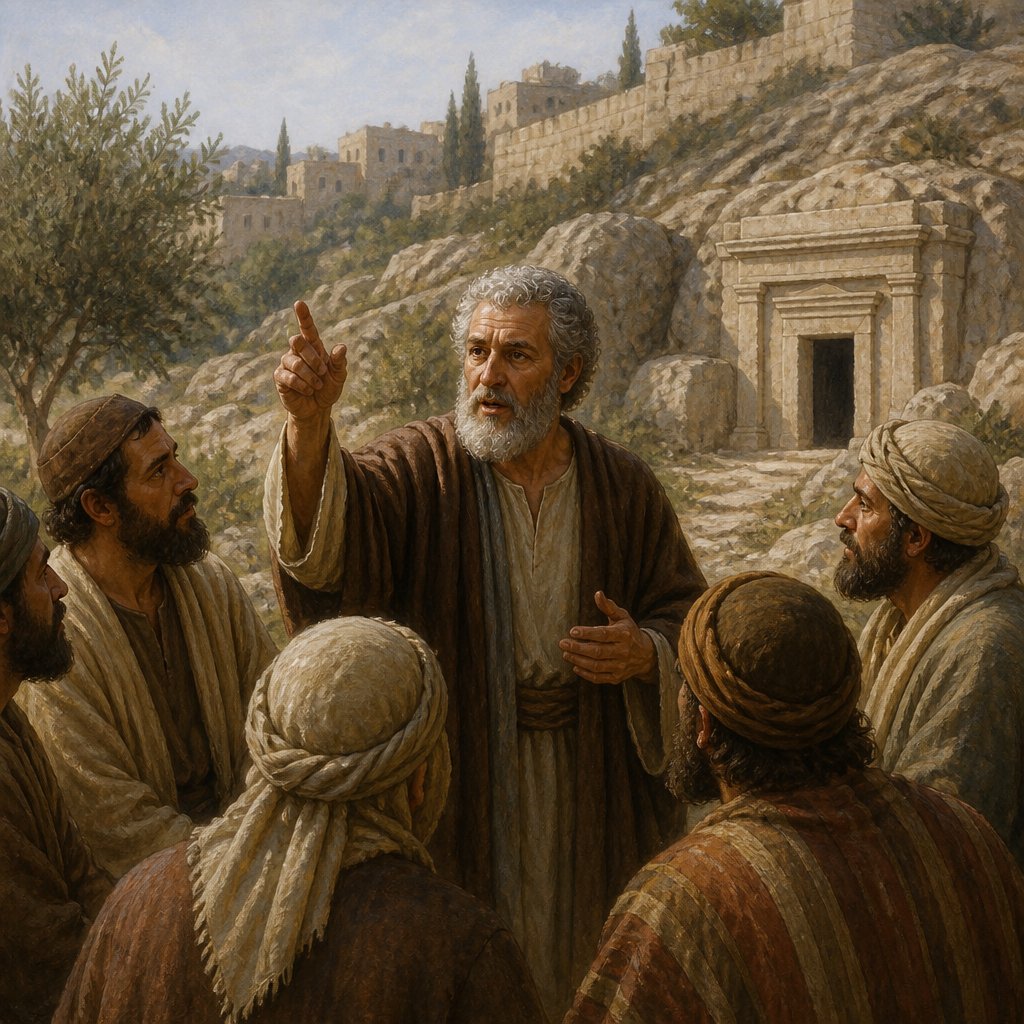
In Acts 2:29, we find the Apostle Peter addressing the gathered crowd in Jerusalem, speaking boldly of the patriarch David: "Men and brethren, let me freely speak unto you of the patriarch David, that he is both dead and buried, and his sepulchre is with us unto this day." This statement, profound in its simplicity, opens up a window into the life and legacy of David, revealing not only the historical significance of the great king of Israel but also pointing us to a deeper theological truth about the living God.
David, known for his multifaceted character as both a shepherd and king, a warrior and a poet, is a cornerstone of the Judeo-Christian tradition. As Peter mentions, he is dead and buried. This reality serves as a poignant reminder that all humans, regardless of their achievements, will eventually face death. David’s sepulcher, which was known and accessible to Peter's audience, stands as a testament to the fact that greatness in earthly terms does not confer eternal life. David’s life ended, just like ours one day will. This underscores our own mortality, urging us as believers to be mindful of how we live our lives, what legacy we will leave behind, and what we truly value.
However, Peter’s declaration does not simply highlight death; it creates a stark contrast with the greater promise of resurrection and eternal life through Jesus Christ. The Apostle continues to elaborate on the significance of David, suggesting that, despite having been a king, he is not the ultimate hope for Israel. Instead, David pointed to the coming Messiah, who is the true king - Jesus Christ. Peter's sermon thrusts the focus away from David's tomb to the living Christ, fulfilling the prophecies that David himself penned. In his life, David expressed deep longing for a relationship with God, writing the Psalms that echo throughout Scripture as expressions of faith, repentance, and divine intimacy.
This leads us to contemplate the depth of our own relationship with God. Just as David was a man after God’s own heart, we are challenged to pursue intimacy with God actively. Peter’s assertion compels us to reflect: are we merely living, or are we living for something greater than ourselves? Are we building a foundation for our lives based on the transient pleasures of this earth, or are we anchoring ourselves in the eternal truths that David pointed us toward?
Moreover, through Peter’s declaration, we see God’s relentless faithfulness throughout generations. David’s sins and failings – his moral failings, the betrayal of those closest to him, and the consequences of his actions – remind us that despite our imperfections, God’s grace is always present. David's lineage paved the way for our Savior, and like David, we are all flawed yet infinitely loved by our Creator. Our lives may present a similar tapestry of brokenness intertwined with grace, which God can use to fulfill His purposes, even in our deaths.
As we reflect on this passage, let us remember that our walk of faith is not merely for our own sake. Much like David, we are called to leave a legacy of faith, hope, and love for those who follow us. In our relationships, our testimonies, and the way we conduct our lives, we can inspire others to turn their eyes toward the true King who triumphed over the grave.
Therefore, as we continue our journey, let us speak freely of our faith. Let us acknowledge both the reality of our mortality and the promise of resurrection. May we live lives that echo the heart of David, yearning for close communion with God, striving for the purposes He has ordained for us, and celebrating the hope that is found in Jesus Christ, who not only fulfills the promises made to David but invites us into an unshakeable relationship with Him that extends beyond death. In doing so, we can ensure that our legacy mirrors that of David—not a sepulcher of remembrance, but a life that proclaims the enduring truth of the living Savior.
Get our apps


Artwork for Acts 2:29
Acts 2:29 - "Men and brethren, let me freely speak unto you of the patriarch David, that he is both dead and buried, and his sepulchre is with us unto this day."
"Men and brethren, let me freely speak unto you of the patriarch David, that he is both dead and buried, and his sepulchre is with us unto this day." - Acts 2:29
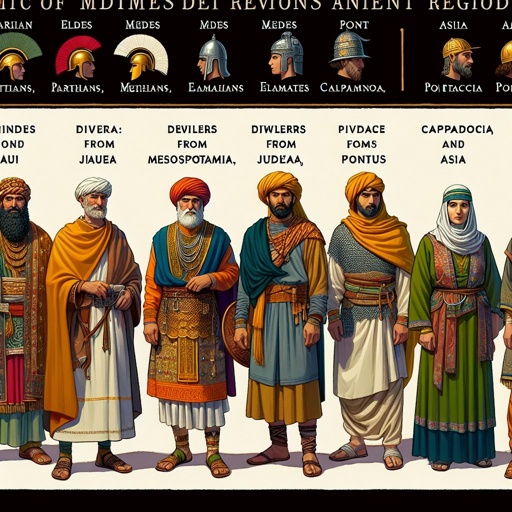
Acts 2:9 - "Parthians, and Medes, and Elamites, and the dwellers in Mesopotamia, and in Judaea, and Cappadocia, in Pontus, and Asia,"

2 Chronicles 9:29 - "¶ Now the rest of the acts of Solomon, first and last, are they not written in the book of Nathan the prophet, and in the prophecy of Ahijah the Shilonite, and in the visions of Iddo the seer against Jeroboam the son of Nebat?"

put on a scroll acts 15:29

1 Chronicles 29:29 - "Now the acts of David the king, first and last, behold, they are written in the book of Samuel the seer, and in the book of Nathan the prophet, and in the book of Gad the seer,"
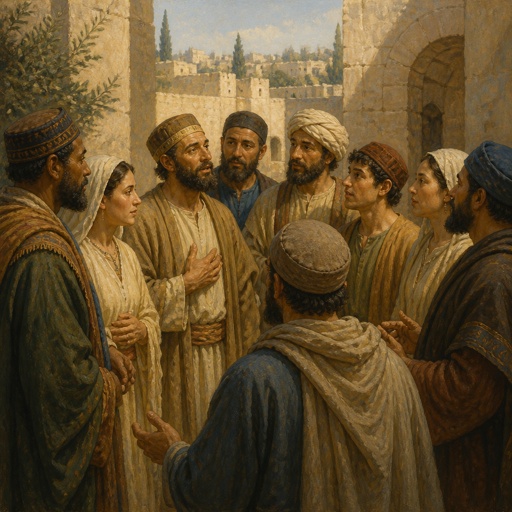
"Parthians, and Medes, and Elamites, and the dwellers in Mesopotamia, and in Judaea, and Cappadocia, in Pontus, and Asia," - Acts 2:9

Acts 8:29 - "Then the Spirit said unto Philip, Go near, and join thyself to this chariot."

Acts 16:29 - "Then he called for a light, and sprang in, and came trembling, and fell down before Paul and Silas,"

Acts 7:29 - "Then fled Moses at this saying, and was a stranger in the land of Madian, where he begat two sons."

Acts 5:29 - "¶ Then Peter and the other apostles answered and said, We ought to obey God rather than men."

Acts 28:29 - "And when he had said these words, the Jews departed, and had great reasoning among themselves."

1 Kings 14:29 - "¶ Now the rest of the acts of Rehoboam, and all that he did, are they not written in the book of the chronicles of the kings of Judah?"

Acts 20:29 - "For I know this, that after my departing shall grievous wolves enter in among you, not sparing the flock."

Acts 9:29 - "And he spake boldly in the name of the Lord Jesus, and disputed against the Grecians: but they went about to slay him."

Acts 21:29 - "(For they had seen before with him in the city Trophimus an Ephesian, whom they supposed that Paul had brought into the temple.)"

Acts 23:29 - "Whom I perceived to be accused of questions of their law, but to have nothing laid to his charge worthy of death or of bonds."

Acts 4:29 - "And now, Lord, behold their threatenings: and grant unto thy servants, that with all boldness they may speak thy word,"

Acts 13:29 - "And when they had fulfilled all that was written of him, they took him down from the tree, and laid him in a sepulchre."

Acts 11:29 - "Then the disciples, every man according to his ability, determined to send relief unto the brethren which dwelt in Judaea:"

Acts 27:29 - "Then fearing lest we should have fallen upon rocks, they cast four anchors out of the stern, and wished for the day."

Acts 2:2

Acts 2:2

Acts 17:29 - "Forasmuch then as we are the offspring of God, we ought not to think that the Godhead is like unto gold, or silver, or stone, graven by art and man's device."

Acts 19:29 - "And the whole city was filled with confusion: and having caught Gaius and Aristarchus, men of Macedonia, Paul's companions in travel, they rushed with one accord into the theatre."

Acts 10:29 - "Therefore came I unto you without gainsaying, as soon as I was sent for: I ask therefore for what intent ye have sent for me?"
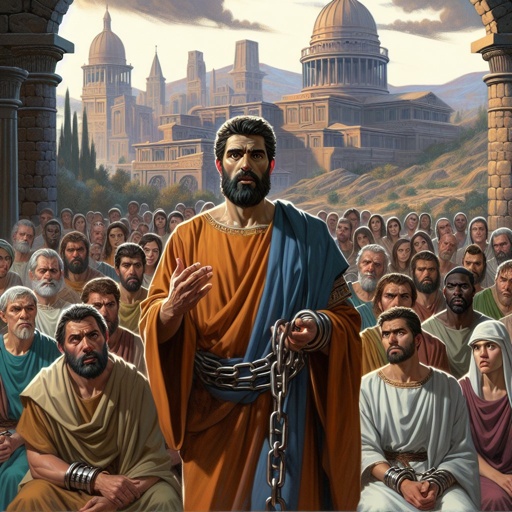
Acts 26:29 - "And Paul said, I would to God, that not only thou, but also all that hear me this day, were both almost, and altogether such as I am, except these bonds."
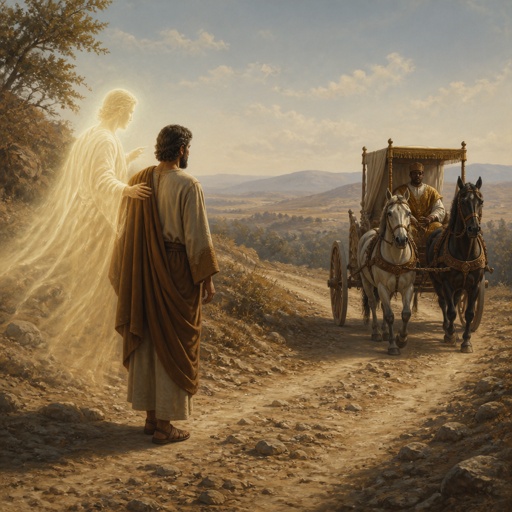
"Then the Spirit said unto Philip, Go near, and join thyself to this chariot." - Acts 8:29

Genesis 29-2

Philippians 2:29