Divine Encounters: The Transformative Power of a Question
“And he fell to the earth, and heard a voice saying unto him, Saul, Saul, why persecutest thou me?” — Acts 9:4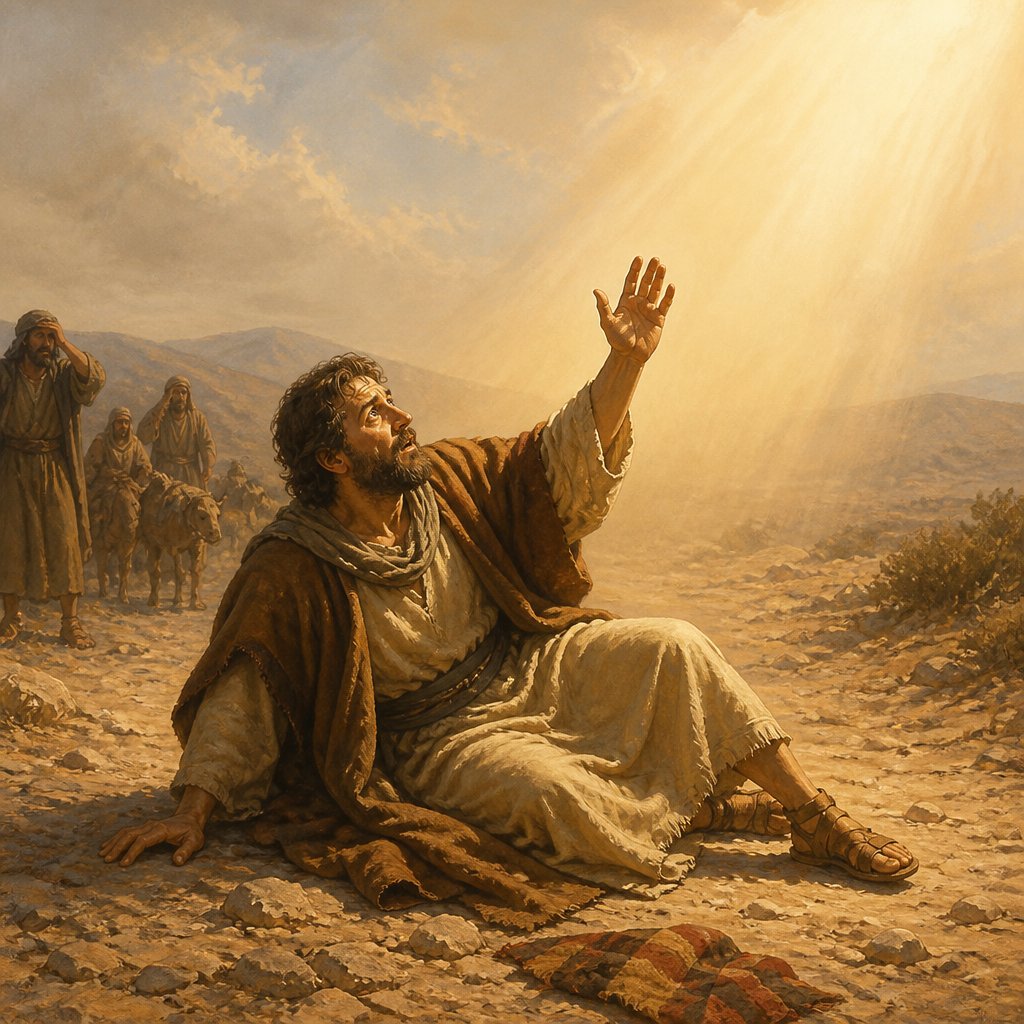
Acts 9:4 declares, "And he fell to the earth, and heard a voice saying unto him, Saul, Saul, why persecutest thou me?" This piercing moment encapsulates not only a dramatic encounter but also a profound invitation to transformation. The context of this verse is crucial, falling within the account of Saul of Tarsus' conversion on the road to Damascus. It serves as a pivotal point not only in Saul's life but in the early church's history and the spread of the Gospel.
Let us first explore who Saul was before this encounter. A Pharisee and a zealous protector of Jewish law, Saul fervently persecuted Christians, believing that he was serving God by doing so. His actions were propelled by a deep-seated conviction that the followers of Jesus were a heretical group that threatened the very foundation of his faith. He was relentless, going from house to house, imprisoning men and women alike who followed the Way of Christ.
However, God’s plans often defy human understanding. Saul’s journey to Damascus represents not only his physical travel but also a spiritual pilgrimage toward truth. The intensity of his mission was met with an equally powerful divine intervention. As Saul traveled, a bright light from heaven suddenly enveloped him, causing him to fall to the ground. In that humbling posture, he became a vessel for receiving one of the most life-altering questions he would ever encounter: "Why persecutest thou me?"
This question is profound. At its core, it evokes a sense of intimacy and personal relationship. Jesus identifies with those He is persecuted through His followers. To Jesus, the suffering inflicted upon His disciples is suffering inflicted upon Him. This deep bond of connection ought to cause believers to reflect on how they treat others. It stands as a sobering reminder of the weight our actions carry, particularly how we treat those who bear the image of Christ. The question directs our attention towards the heart of God — a heart that is pained by injustice and motivated by love.
Additionally, the question posed to Saul serves as a moment of confrontation, an invitation to self-examination. It provokes Saul to consider not just his actions but his motivations and the implications of them. Often, we can become so engrossed in our pursuits — whether they be ambitions, ideologies, or even religious fervor — that we forget to examine the essence of our actions and whether they align with the heart of God. This moment won't let Saul evade accountability; rather, it beckons him into a deeper awareness of his spiritual blindness.
As we sit with this verse, we must ponder what it means for us today. Is there an area in our lives where we are blind to the injustices around us? Do we, intentionally or unintentionally, contribute to systems or behaviors that hurt others? Jesus' poignant question is not merely for Saul but resonates throughout generations, beckoning each of us to evaluate our own hearts and actions. What does it look like in our current context where Christ invites us to question our actions and their impact on the body of believers?
In the aftermath of this encounter, Saul's life was irrevocably changed. He became Paul, the apostle, who would ultimately take the message of Jesus Christ to the Gentiles, shaping the early church and theology in significant ways. His transformation serves as a testimony to the redemptive power of encountering Christ. It challenges us to remain open to divine interruption — moments where God might challenge our status quo.
In conclusion, Acts 9:4 isn’t just a narrative about conversion; it propels us to self-reflection and spiritual awakening. We are invited to listen closely to the voice of Jesus as He calls out our names. Just as Saul did, may we respond to His questions with humility and a willingness to be transformed, knowing that God can radically change our hearts and lives, leading us toward a greater understanding of His love and purpose.
Get our apps


Artwork for Acts 9:4

Acts 9:4 - "And he fell to the earth, and heard a voice saying unto him, Saul, Saul, why persecutest thou me?"
"And he fell to the earth, and heard a voice saying unto him, Saul, Saul, why persecutest thou me?" - Acts 9:4
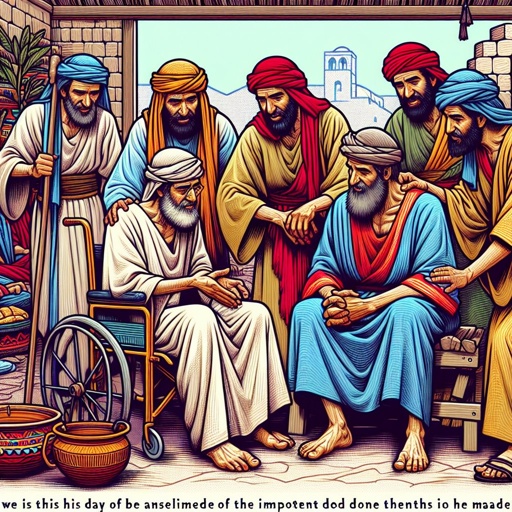
Acts 4:9 - "If we this day be examined of the good deed done to the impotent man, by what means he is made whole;"

Acts 4:30

Acts 4:30
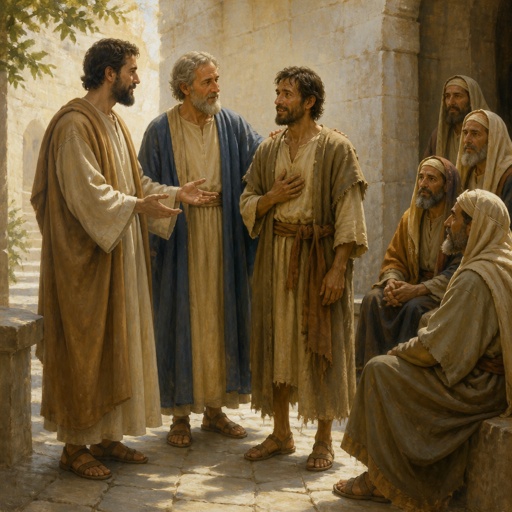
"If we this day be examined of the good deed done to the impotent man, by what means he is made whole;" - Acts 4:9

Acts 4:30

Acts 2:4

Acts 4:30

Acts 1:4-5

Acts 9:9 - "And he was three days without sight, and neither did eat nor drink."

Acts 9:1-20

Acts 9:1-20

Acts 2:4

Acts 2:4

Acts 9:28 - "And he was with them coming in and going out at Jerusalem."

Acts 4:8-12

Acts 3:9 - "And all the people saw him walking and praising God:"

Acts 24:9 - "And the Jews also assented, saying that these things were so."

Acts 9:42 - "And it was known throughout all Joppa; and many believed in the Lord."

Acts 4:4 - "Howbeit many of them which heard the word believed; and the number of the men was about five thousand."

Acts 9:35 - "And all that dwelt at Lydda and Saron saw him, and turned to the Lord."

Acts 15:9 - "And put no difference between us and them, purifying their hearts by faith."

Acts 9:20 - "And straightway he preached Christ in the synagogues, that he is the Son of God."

Acts 7:9 - "And the patriarchs, moved with envy, sold Joseph into Egypt: but God was with him,"

Acts 4 Peter before the Sanhedrin

Acts 4:5 - "¶ And it came to pass on the morrow, that their rulers, and elders, and scribes,"

Acts 21:9 - "And the same man had four daughters, virgins, which did prophesy."

Acts 17:9 - "And when they had taken security of Jason, and of the other, they let them go."

Acts 9:25 - "Then the disciples took him by night, and let him down by the wall in a basket."