Called by Will: Embracing Our Divine Purpose
“Paul, an apostle of Jesus Christ by the will of God, and Timotheus our brother,” — Colossians 1:1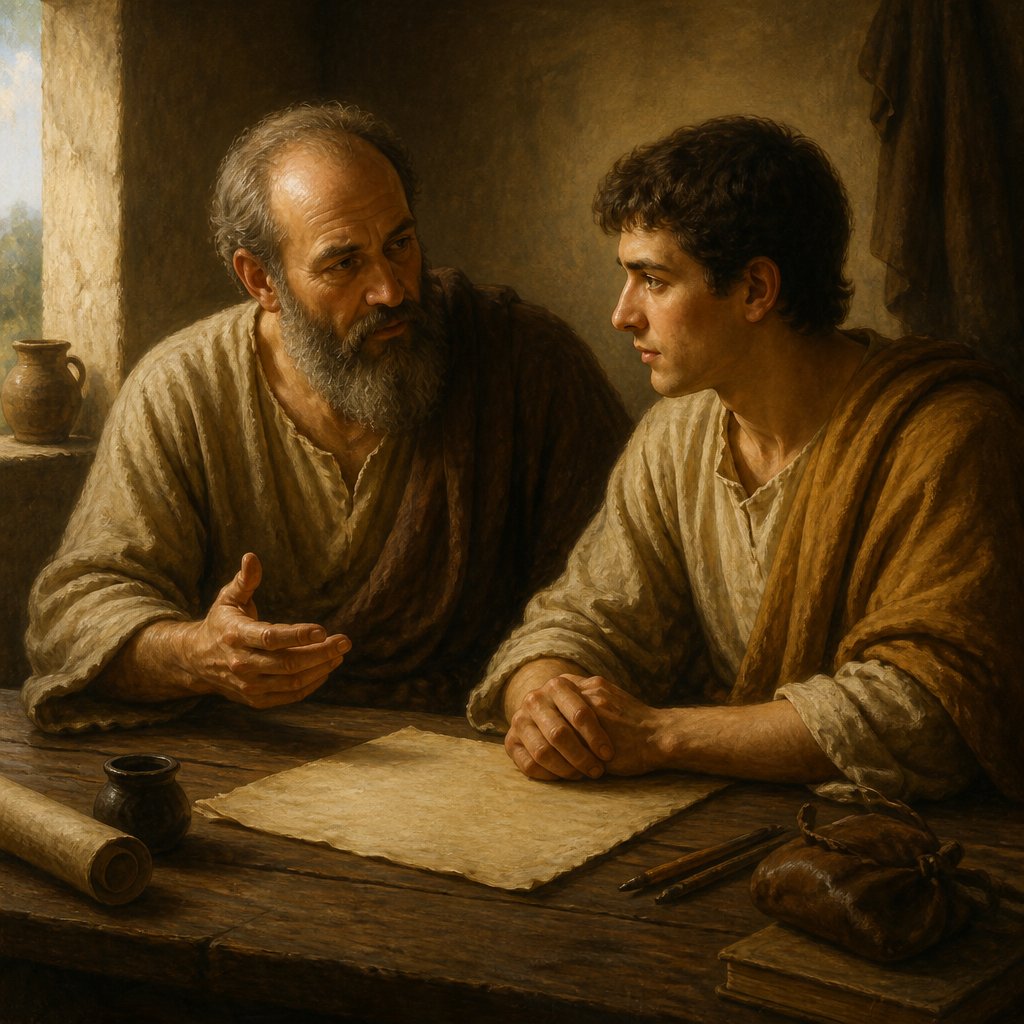
In the epistle to the Colossians, the Apostle Paul introduces himself with a profound declaration: "Paul, an apostle of Jesus Christ by the will of God, and Timotheus our brother" (Colossians 1:1, KJV). This opening verse invites us into a reflection on the nature of divine calling, the authority bestowed upon us, and the relationships we foster in our walk of faith.
As we delve into the significance of Paul's identification as an apostle, it's crucial to consider the context of his calling. Paul, once known as Saul of Tarsus, was transformed on the road to Damascus. His radical encounter with the risen Christ showcased the power of God to turn enemies into vessels of grace. By claiming to be an apostle "by the will of God," Paul acknowledges that his ministry and mission are not self-appointed; rather, they are divinely orchestrated. Such clarity cultivates humility, for no one can boast of their standing or gifts outside of God's sovereign choice.
In our lives today, we are often caught in a cycle of self-definition. Society incentivizes self-made identities, urging us towards personal ambition and success. However, as Christians, we must pause and consider the source of our calling. Are we pursuing careers, relationships, or aspirations merely by ambition, or are we seeking to glorify God in all that we do? When we understand our purpose as being rooted in God's will, we allow divine intention to govern our decisions and aspirations. The peace found in knowing that our lives are not random accidents or mere happenstances but divinely curated offers a sense of security and purpose that the world cannot replicate.
Paul's partnership with Timotheus, or Timothy, is also a striking aspect of this greeting. Timothy was a young leader in the early church, and Paul's mention of him not only indicates their close relationship but also exemplifies the importance of community in fulfilling God’s call. In ministry and in life, we are not meant to journey alone. The Christian faith is relational at its core, marked by partnerships and a shared mission. As members of the Body of Christ, we are charged with encouragement, accountability, and support for one another as we navigate our God-given callings.
God, in His infinite wisdom, designs each of us to play a distinct role within the church community. This diversity strengthens the body, allowing it to function effectively as a testament to Christ's love and grace. Are you engaged with those around you? Are you nurturing relationships that challenge you and build you up in faith? As we reflect on our unique calling, let us consider how we can embrace teamwork within our local church and broader Christian community.
Finally, when Paul introduces himself as an apostle "of Jesus Christ by the will of God," he invites us to remember that our identity is intimately linked to Christ. To be "of Jesus Christ" signifies belonging, relationship, and purpose. It is through Him that we derive our significance. The immense privilege of being called a child of God outweighs any title or role we might seek for ourselves. As we step into our various callings—be it in workplace, family, or service—we should do so with the understanding that we do so first and foremost as representatives of Christ. This profound identity should shape our actions, ensuring we reflect His love and light to the world around us.
As you meditate on Colossians 1:1, ask yourself this: Are you living out your divine calling each day? Are you fostering relationships that embolden your faith journey? Embrace the truth that you are called by God, equipped for purpose, and loved beyond measure as you respond to His will in your life.
Get our apps


Artwork for Colossians 1:1

Colossians 1:1 - "Paul, an apostle of Jesus Christ by the will of God, and Timotheus our brother,"
"Paul, an apostle of Jesus Christ by the will of God, and Timotheus our brother," - Colossians 1:1

Colossians 1:18

Colossians 1:17

Colossians 1:17

Colossians 1:18

Colossians 1:15-20

Colossians 1:15-20

Colossians 3:13

COLOSSIANS 1:19

Colossians 2:19

Colossians 2:19

Colossians 4:6

Colossians 3:5-15

Colossians 3:12-15

Colossians 1:19 - "For it pleased the Father that in him should all fulness dwell;"

Colossians 1:15 - "Who is the image of the invisible God, the firstborn of every creature:"

Colossians 1:8 - "Who also declared unto us your love in the Spirit."

Colossians 1:17 - "And he is before all things, and by him all things consist."

Colossians 1:14 - "In whom we have redemption through his blood, even the forgiveness of sins:"

Colossians 1:11 - "Strengthened with all might, according to his glorious power, unto all patience and longsuffering with joyfulness;"

Colossians 1:7 - "As ye also learned of Epaphras our dear fellowservant, who is for you a faithful minister of Christ;"

Colossians 1:29 - "Whereunto I also labour, striving according to his working, which worketh in me mightily."

Colossians 1:3 - "We give thanks to God and the Father of our Lord Jesus Christ, praying always for you,"

Colossians 1:22 - "In the body of his flesh through death, to present you holy and unblameable and unreproveable in his sight:"

Colossians 1:12 - "Giving thanks unto the Father, which hath made us meet to be partakers of the inheritance of the saints in light:"

Colossians 1:5 - "For the hope which is laid up for you in heaven, whereof ye heard before in the word of the truth of the gospel;"

Colossians 1:4 - "Since we heard of your faith in Christ Jesus, and of the love which ye have to all the saints,"

Colossians 1:13 - "Who hath delivered us from the power of darkness, and hath translated us into the kingdom of his dear Son:"
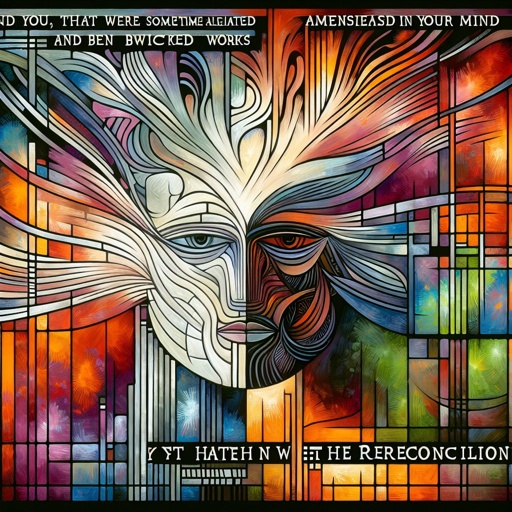
Colossians 1:21 - "And you, that were sometime alienated and enemies in your mind by wicked works, yet now hath he reconciled"