The Certainty of Time and Wisdom
“The king answered and said, I know of certainty that ye would gain the time, because ye see the thing is gone from me.” — Daniel 2:8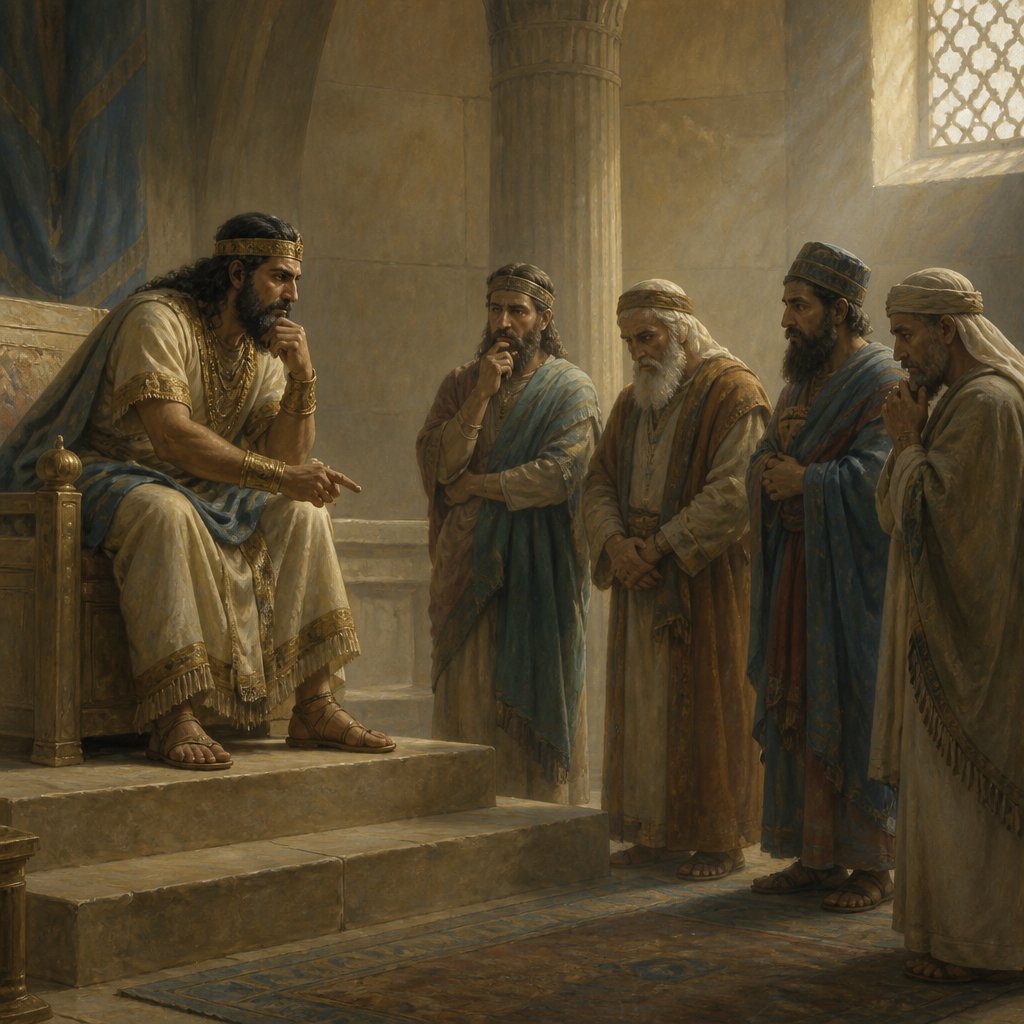
In the annals of Biblical history, the Book of Daniel stands as a profound testament to faith, wisdom, and the sovereignty of God amidst trials. As we delve into Daniel 2:8, the words of King Nebuchadnezzar resonate with momentous significance: "The king answered and said, I know of certainty that ye would gain the time, because ye see the thing is gone from me."
To fully grasp the weight of Nebuchadnezzar's words, we must place ourselves within the context of the narrative. The king, a ruler of extraordinary power and authority over Babylon, faced a crisis that unsettled him profoundly. He had experienced a troubling dream, one that held inscrutable meaning for him. Unable to recall the dream and desperate for its interpretation, he summoned his wise men, magicians, and sorcerers. Yet, as the story reveals, they were unable to provide the answers he sought. It is within this turmoil that the verse speaks to us, encapsulating the essence of human frailty against the backdrop of divine wisdom.
Nebuchadnezzar's assertion of certainty lacks the confidence typically found in a king. Instead, it reveals an underlying fear of being deceived. His suspicion that the wise men would merely stall for time to concoct a plausible interpretation unveils a critical lesson about the nature of truth and deception. As believers, we swing on the pendulum between certainty and uncertainty in our spiritual walk. Nebuchadnezzar, a man of worldly wisdom, recognized the fragility of his situation—the dream had faded from his memory; thus, it became a metaphor for our own lives, where clarity often eludes us.
In moments akin to Nebuchadnezzar's, we too wonder about the mysteries that life presents. How often do we stand at a crossroads, grasping for understanding, only to feel the firm grip of uncertainty? The wisdom of this passage lies in recognizing that while we may not always have the answers, we can rest in the assurance that the One who holds all wisdom sees the full picture. God knows every detail of our lives, our struggles, and our dreams, even when we feel utterly bewildered.
This moment of desperation led Nebuchadnezzar to the brink where true revelation was ultimately found in the faith and wisdom of Daniel, a young Hebrew man who trusted in God. Daniel had a unique relationship with God, one characterized by reliance and faith. When faced with the imminent threat of execution due to the king's decree to slay all the wise men for their failure, Daniel knew instinctively where to turn. He sought God in prayer, gathering his companions to earnestly seek divine wisdom.
As we reflect on this narrative, it beckons us to consider our own approaches to uncertainty. Do we lean on our understanding, or do we turn to the Almighty for insight and peace? Nebuchadnezzar's kingly authority could not stave off the existential panic that comes with the unknown, demonstrating that worldly power cannot shield us from vulnerability. In contrast, Daniel’s response to his life-threatening predicament showcased unwavering faith, transforming fear into an opportunity for divine revelation.
The king's acknowledgment of uncertainty speaks volumes to us today. It encourages honesty in our prayers and a clear understanding of our limitations. Even as we encounter the inexplicable, we can approach God with the assurance of His presence and sovereignty. He who knows our hearts will not allow us to perish in our confusion. Instead, He invites us to seek His face and trust in His timing—even when we cannot fully comprehend the situation.
As we navigate our own challenges, let us be urged by the truth of this passage. Like Daniel, may we earnestly approach the throne of grace, laying our uncertainties before God, knowing that He holds all wisdom. Let's remember Nebuchadnezzar's moment of desperation as a turning point that can ultimately lead us to the knowledge and peace that only comes from Him. In that pursuit of truth through faith, we will emerge stronger, equipped with the divine wisdom that transforms uncertainty into certainty.
Get our apps


Artwork for Daniel 2:8

Daniel 2:8 - "The king answered and said, I know of certainty that ye would gain the time, because ye see the thing is gone from me."
"The king answered and said, I know of certainty that ye would gain the time, because ye see the thing is gone from me." - Daniel 2:8

Ezra 8:2 - "Of the sons of Phinehas; Gershom: of the sons of Ithamar; Daniel: of the sons of David; Hattush."
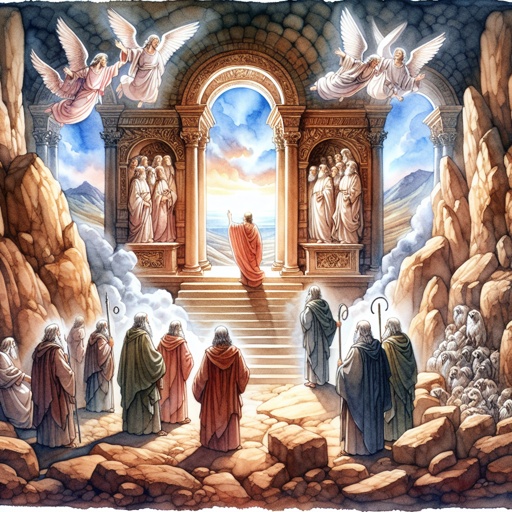
Daniel 7:8
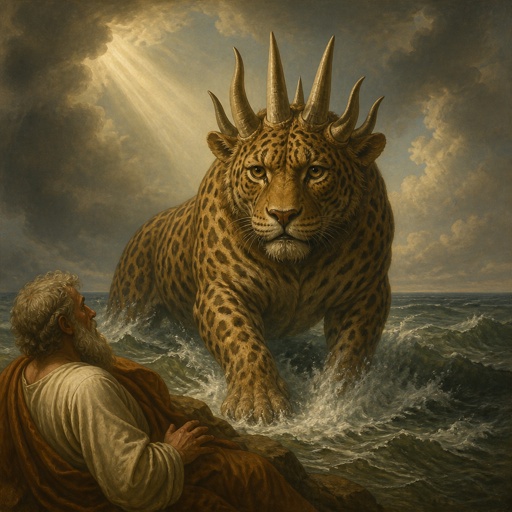
Daniel 7:8

Daniel 8:2 - "And I saw in a vision; and it came to pass, when I saw, that I was at Shushan in the palace, which is in the province of Elam; and I saw in a vision, and I was by the river of Ulai."
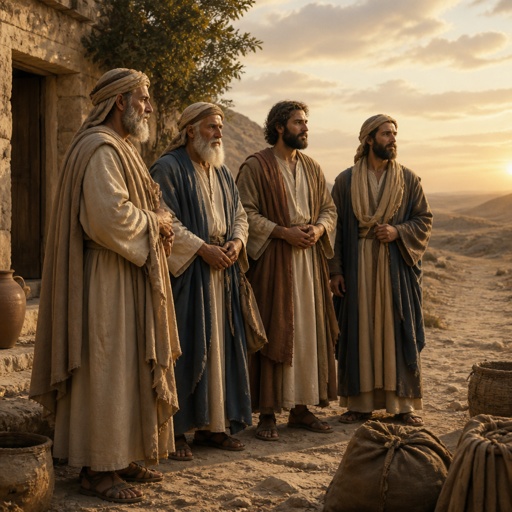
"Of the sons of Phinehas; Gershom: of the sons of Ithamar; Daniel: of the sons of David; Hattush." - Ezra 8:2

Daniel 2:19 - "¶ Then was the secret revealed unto Daniel in a night vision. Then Daniel blessed the God of heaven."
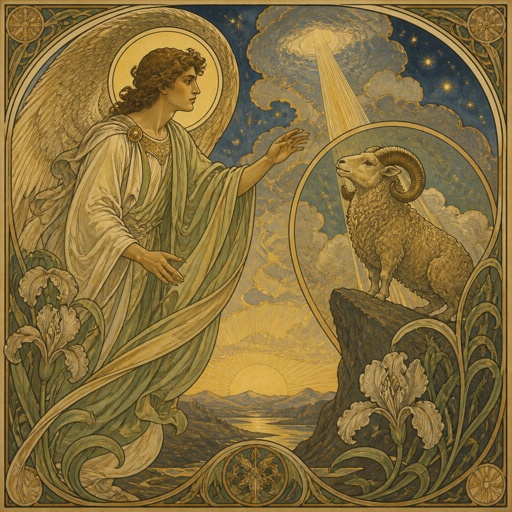
Gabriel Daniel 8:16

Daniel 8:27 - "And I Daniel fainted, and was sick certain days; afterward I rose up, and did the king's business; and I was astonished at the vision, but none understood it."

Daniel 8:15 - "¶ And it came to pass, when I, even I Daniel, had seen the vision, and sought for the meaning, then, behold, there stood before me as the appearance of a man."

Daniel 10:2 - "In those days I Daniel was mourning three full weeks."

Daniel 8:1 - "In the third year of the reign of king Belshazzar a vision appeared unto me, even unto me Daniel, after that which appeared unto me at the first."

Daniel 2:49 - "Then Daniel requested of the king, and he set Shadrach, Meshach, and Abed-nego, over the affairs of the province of Babylon: but Daniel sat in the gate of the king."

Daniel 4:8 - "¶ But at the last Daniel came in before me, whose name was Belteshazzar, according to the name of my god, and in whom is the spirit of the holy gods: and before him I told the dream, saying,"

Daniel 2:20 - "Daniel answered and said, Blessed be the name of God for ever and ever: for wisdom and might are his:"

Daniel 3:8 - "¶ Wherefore at that time certain Chaldeans came near, and accused the Jews."

Daniel 2:17 - "Then Daniel went to his house, and made the thing known to Hananiah, Mishael, and Azariah, his companions:"

Daniel 2:13 - "And the decree went forth that the wise men should be slain; and they sought Daniel and his fellows to be slain."

"¶ Then was the secret revealed unto Daniel in a night vision. Then Daniel blessed the God of heaven." - Daniel 2:19

Daniel 1:8 - "¶ But Daniel purposed in his heart that he would not defile himself with the portion of the king's meat, nor with the wine which he drank: therefore he requested of the prince of the eunuchs that he might not defile himself."

Daniel 2:16 - "Then Daniel went in, and desired of the king that he would give him time, and that he would shew the king the interpretation."

Daniel 8:20 - "The ram which thou sawest having two horns are the kings of Media and Persia."

Daniel 2:14 - "¶ Then Daniel answered with counsel and wisdom to Arioch the captain of the king's guard, which was gone forth to slay the wise men of Babylon:"

Daniel 2:15 - "He answered and said to Arioch the king's captain, Why is the decree so hasty from the king? Then Arioch made the thing known to Daniel."

Daniel 8:27 (KJVA) 27 And I Daniel fainted, and was sick certain days; afterward I rose up, and did the king's business; and I was astonished at the vision, but none understood it.

Daniel 8:21 - "And the rough goat is the king of Grecia: and the great horn that is between his eyes is the first king."

Daniel 7:2 - "Daniel spake and said, I saw in my vision by night, and, behold, the four winds of the heaven strove upon the great sea."

Daniel 6:2 - "And over these three presidents; of whom Daniel was first: that the princes might give accounts unto them, and the king should have no damage."

Daniel 2:46 - "¶ Then the king Nebuchadnezzar fell upon his face, and worshipped Daniel, and commanded that they should offer an oblation and sweet odours unto him."