The Sovereignty of God: Lessons from Nebuchadnezzar's Fall
“All this came upon the king Nebuchadnezzar.” — Daniel 4:28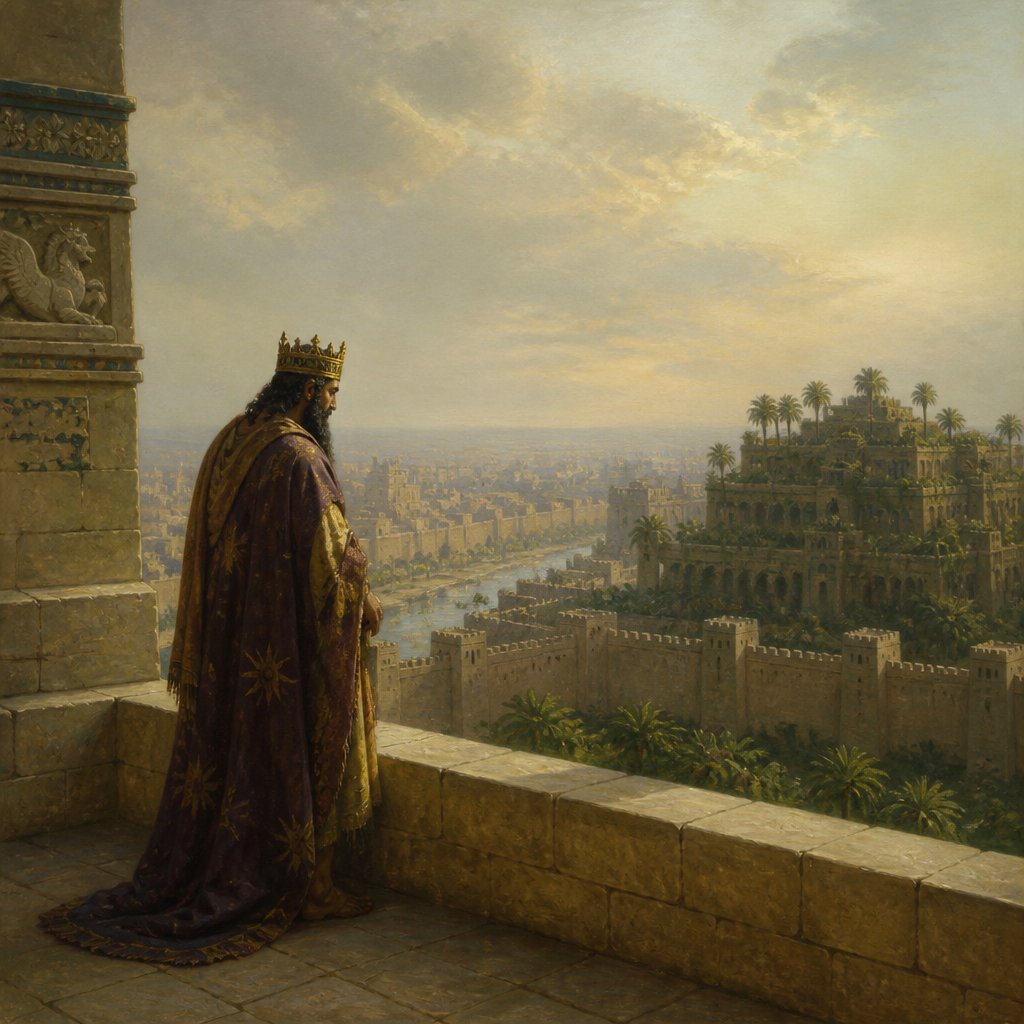
In Daniel 4:28, the King James Version (KJV) presents a stark declaration: "All this came upon the king Nebuchadnezzar." This verse serves as a potent reminder of the profound truth embedded in the narrative of King Nebuchadnezzar’s life—a life that rises and falls at the command of God, illustrating the theme of divine sovereignty and human pride.
The backdrop of this statement unfolds in the previous verses, where we encounter a proud king boasting about his magnificent achievements and the splendor of his kingdom. Nebuchadnezzar, the most powerful ruler of his time, had established the Babylonian Empire through conquests and cunning. However, it was in these moments of triumph that pride began to cloud his judgment and lead him to forget the source of his success. God, in His mercy and justice, intervenes.
The lessons from Nebuchadnezzar’s story are profound and multifaceted. First and foremost, we see how easily one can slip into arrogance when placed on the pinnacle of success. It is indeed tempting to attribute our achievements to our own intelligence, hard work, or abilities. Yet, James 4:6 reminds us that "God resisteth the proud, but giveth grace unto the humble." In the case of Nebuchadnezzar, God graciously sends him a dream followed by a prophetic revelation from Daniel, warning him of the consequences of his pride.
Despite the warning, Nebuchadnezzar’s heart remains hardened, and he ultimately faces the consequences. "All this came upon the king Nebuchadnezzar" signifies the unfolding of God’s prophecy: his temporary insanity and his subsequent exile from humanity are direct results of his refusal to acknowledge God’s sovereignty. This moment becomes a stark lesson about the futility of self-exaltation. The moment we take credit for things that God has orchestrated, we place ourselves in direct opposition to the very source of our strength.
As Christians, we must ask ourselves: are we prone to the same pitfalls? In the hustle and bustle of life, it is easy to lose sight of God’s providence in our circumstances. Like Nebuchadnezzar, we may find ourselves enthralled with our achievements and become blissfully ignorant of our dependence on God for every heartbeat, decision, and breath we take.
The beautiful turn in Nebuchadnezzar’s story is his eventual restoration. After acknowledging his folly and recognizing God’s eternal reign, Nebuchadnezzar experiences a profound transformation. His acknowledgment of God leads to praise and thanksgiving. This dramatically illustrates how humility can restore not just our relationship with God, but also our rightful place in the world.
When he declares, "Now I Nebuchadnezzar praise and extol and honor the King of heaven, all whose works are truth, and his ways judgment: and those that walk in pride he is able to abase" (Daniel 4:37 KJV), we can see a man transformed through the trials God ordained for him. Nebuchadnezzar offers a powerful testimony about the liberating power of humility and acknowledgment of God.
In our own lives, we must strive to cultivate an attitude of humility and thankfulness, recognizing that every good gift is from God (James 1:17). We are called to reflect on our successes with an attitude that glorifies God, rather than posing as self-made individuals. Just like Nebuchadnezzar, may we learn to surrender our pride and exalt our Creator.
In conclusion, the phrase "All this came upon the king Nebuchadnezzar" serves as a potent warning and a reminder of God’s sovereignty. As we seek to apply this message in our lives, let us not forget that God desires that we recognize His hand in our successes, learn from our failures, and ultimately, glorify Him in all that we do. The lessons from Nebuchadnezzar illuminate the paths we should tread, leading us toward humility, gratitude, and unwavering dependence on the God who reigns supreme.
Get our apps


Artwork for Daniel 4:28

Daniel 4:28 - "¶ All this came upon the king Nebuchadnezzar."

"¶ All this came upon the king Nebuchadnezzar." - Daniel 4:28

Daniel 6:28 - "So this Daniel prospered in the reign of Darius, and in the reign of Cyrus the Persian."

Daniel 3:28

"So this Daniel prospered in the reign of Darius, and in the reign of Cyrus the Persian." - Daniel 6:28

Daniel 7:28 - "Hitherto is the end of the matter. As for me Daniel, my cogitations much troubled me, and my countenance changed in me: but I kept the matter in my heart."

Daniel 5:28 - "PERES; Thy kingdom is divided, and given to the Medes and Persians."

Ezekiel 28:3 - "Behold, thou art wiser than Daniel; there is no secret that they can hide from thee:"

Daniel 4:15

Daniel 5:4

Daniel 7:4

Daniel 6:3-4 - "Daniel 6:3-4: Then this Daniel was preferred above the presidents and princes, because an excellent spirit was in him; and the king thought to set him over the whole realm. So the presidents and princes sought to find occasion against Daniel concerning the kingdom; but they could find none occasion nor fault; forasmuch as he was faithful, neither was there any error or fault found in him."

Daniel 7:28 “Here is the end of the matter. As for me, Daniel, my thoughts greatly alarmed me, and my color changed, but I kept the matter in my heart.”

Daniel 4:4 - "¶ I Nebuchadnezzar was at rest in mine house, and flourishing in my palace:"

Daniel 4:13-14

Daniel 4:10-14

Daniel 4:13-14

Daniel 4:1-3

Daniel 12:4 - "But thou, O Daniel, shut up the words, and seal the book, even to the time of the end: many shall run to and fro, and knowledge shall be increased."

"PERES; Thy kingdom is divided, and given to the Medes and Persians." - Daniel 5:28

Daniel 4:8 - "¶ But at the last Daniel came in before me, whose name was Belteshazzar, according to the name of my god, and in whom is the spirit of the holy gods: and before him I told the dream, saying,"

Daniel 4:29 - "At the end of twelve months he walked in the palace of the kingdom of Babylon."

Daniel 2:28 - "But there is a God in heaven that revealeth secrets, and maketh known to the king Nebuchadnezzar what shall be in the latter days. Thy dream, and the visions of thy head upon thy bed, are these;"

Daniel 6:4 - "¶ Then the presidents and princes sought to find occasion against Daniel concerning the kingdom; but they could find none occasion nor fault; forasmuch as he was faithful, neither was there any error or fault found in him."

Daniel 3:4 - "Then an herald cried aloud, To you it is commanded, O people, nations, and languages,"

Daniel 11:28 - "Then shall he return into his land with great riches; and his heart shall be against the holy covenant; and he shall do exploits, and return to his own land."

Daniel 4:10-12 – Nebuchadnezzar’s dream of a tree.

Daniel 5:4 - "They drank wine, and praised the gods of gold, and of silver, of brass, of iron, of wood, and of stone."

"Hitherto is the end of the matter. As for me Daniel, my cogitations much troubled me, and my countenance changed in me: but I kept the matter in my heart." - Daniel 7:28
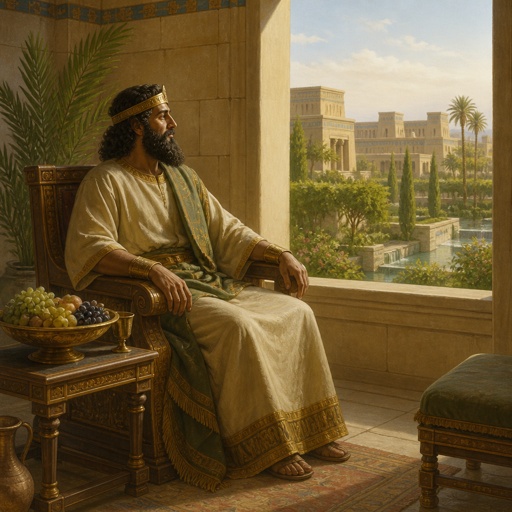
"¶ I Nebuchadnezzar was at rest in mine house, and flourishing in my palace:" - Daniel 4:4