Judging Righteously: A Divine Call to Justice
“And I charged your judges at that time, saying, Hear the causes between your brethren, and judge righteously between every man and his brother, and the stranger that is with him. Ye shall not respect persons in judgment; but ye shall hear the small as well as the great; ye shall not be afraid of the face of man; for the judgment is God’s: and the cause that is too hard for you, bring it unto me, and I will hear it.” — Deuteronomy 1:16-17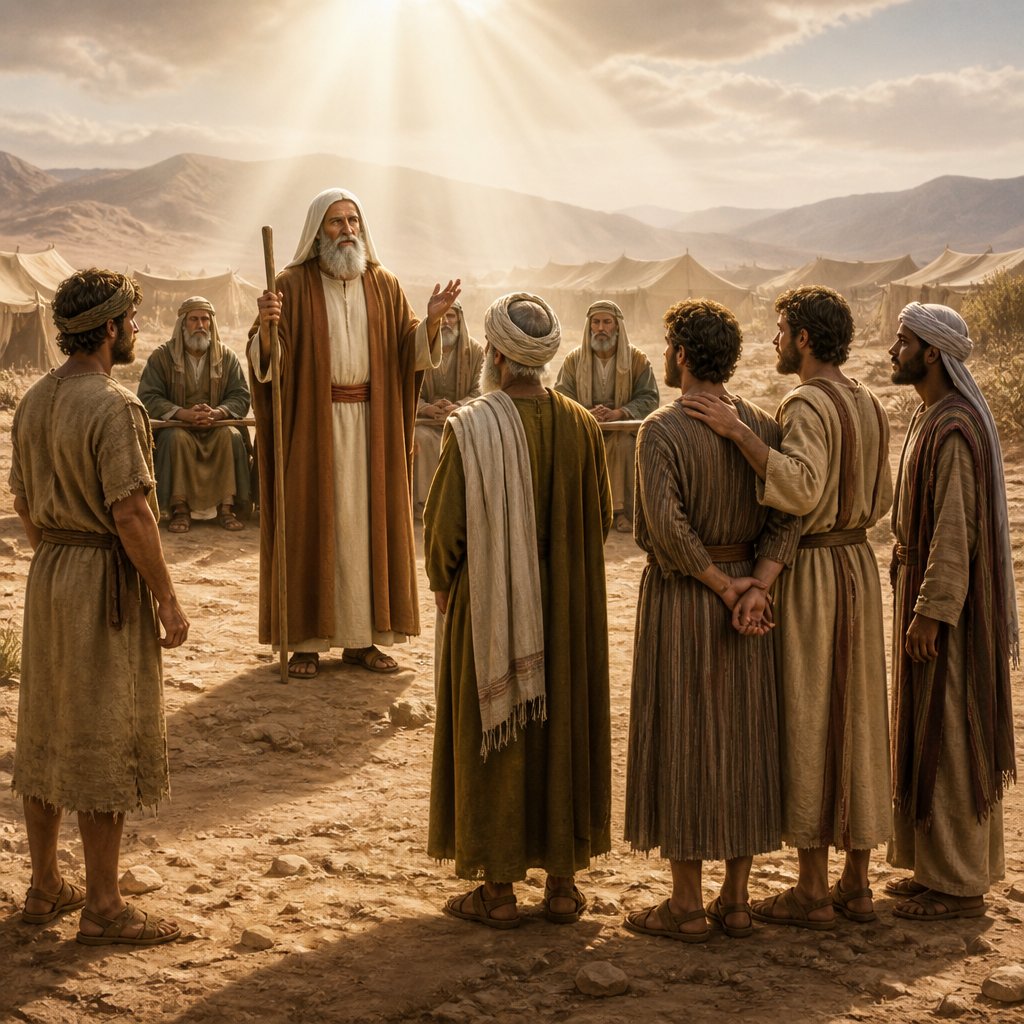
**Scriptural Text:**
"And I charged your judges at that time, saying, Hear the causes between your brethren, and judge righteously between every man and his brother, and the stranger that is with him. Ye shall not respect persons in judgment; but ye shall hear the small as well as the great; ye shall not be afraid of the face of man; for the judgment is God's: and the cause that is too hard for you, bring it unto me, and I will hear it." (Deuteronomy 1:16-17, KJV)
**Reflection:**
In Deuteronomy chapter 1, Moses, the servant of God, was imparting crucial wisdom to the leaders of Israel. As they prepare to enter the Promised Land, the responsibility of establishing a just society fell on their shoulders. These verses encapsulate God's expectations for justice, equity, and integrity among His people. The principles laid out in these verses are timeless and resonate profoundly in our modern world, where justice can often seem elusive.
**Hearing the Causes:**
Moses instructs the judges to "hear the causes between your brethren." The act of listening is fundamental in any judicial process. It requires patience and humility—qualities that are essential not only in judges but in all of us as we engage with those around us. We must understand that every conflict possesses a narrative; when we listen actively, we acknowledge the dignity and experiences of others. Hearing goes beyond mere auditory perception; it means engaging with empathy, seeking to understand the perspectives of both parties.
**Judging Righteously:**
The command to "judge righteously" calls for discernment that is anchored in truth and justice rather than bias or preference. The phrase "Ye shall not respect persons in judgment" underscores the necessity for impartiality. This principle often challenges us in our judgment, whether in personal relationships or broader societal issues. Are we considering the circumstances of individuals fairly? Are we allowing our prejudices or affections for certain people to cloud our judgment? God's justice is flawless; it does not waver based on socioeconomic status, race, or personal relationship. We are asked to emulate that standard in our judgments.
**Inclusivity in Judgment:**
God’s instruction to hear both "the small as well as the great" exhibits His clear intent that justice must be accessible to all. This inclusivity is a powerful reminder that every person, regardless of their status, has a voice that deserves to be heard. In a society that often amplifies the voices of the influential while silencing the vulnerable, God's heart for the marginalized shines brilliantly. To judge righteously means advocating for the oppressed and ensuring that their plight is heard and addressed.
**Fearlessness in Judgment:**
Moses continues to exhort the judges not to be "afraid of the face of man." In our journey of faith, fear can be a paralyzing emotion—fear of rejection, criticism, or consequence. Yet God assures us that the judgment we uphold is ultimately His. When we align our judgments with His standards, we can move forward with confidence and courage. Understanding that our role reflects His nature empowers us to act fearlessly in defense of justice.
**Delegating the Difficult:**
In situations that feel insurmountable, where we fear we may falter, God encourages us: "the cause that is too hard for you, bring it unto me, and I will hear it." This divine reassurance allows us to contribute to justice within our limits while recognizing that God governs the ultimate outcomes. When faced with complex issues or personal dilemmas, we must seek His wisdom through prayer, scripture, and wise counsel from fellow believers.
**Conclusion:**
As we meditate on this powerful exhortation from Moses, may we strive to embody a spirit of justice in all our interactions. Let us be advocates for fairness, listening to our brethren and honoring the voices of the marginalized. Remembering that our judgments align with God's divine standards will embolden us to seek justice courageously, reminding ourselves that the true source of wisdom and righteousness is found in Him.
Get our apps


Artwork for Deuteronomy 1:16-17

Deuteronomy 1:16-17 - "And I charged your judges at that time, saying, Hear the causes between your brethren, and judge righteously between every man and his brother, and the stranger that is with him. Ye shall not respect persons in judgment; but ye shall hear the small as well as the great; ye shall not be afraid of the face of man; for the judgment is God's: and the cause that is too hard for you, bring it unto me, and I will hear it."
"And I charged your judges at that time, saying, Hear the causes between your brethren, and judge righteously between every man and his brother, and the stranger that is with him. Ye shall not respect persons in judgment; but ye shall hear the small as well as the great; ye shall not be afraid of the face of man; for the judgment is God's: and the cause that is too hard for you, bring it unto me, and I will hear it." - Deuteronomy 1:16-17
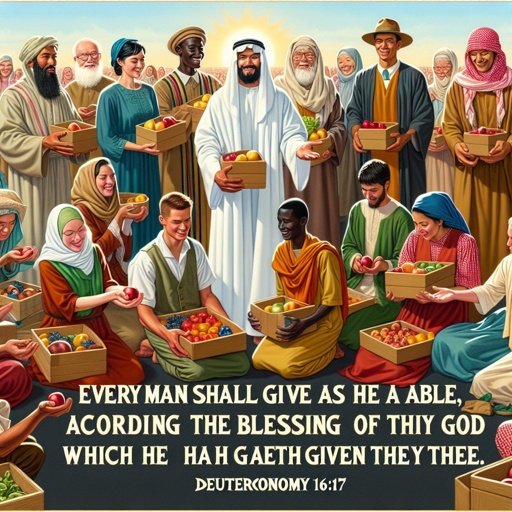
Deuteronomy 16:17 - "Every man shall give as he is able, according to the blessing of the LORD thy God which he hath given thee."

1 corinthians 3:16-17

1 corinthians 3:16-17

1 corinthians 3:16-17

Deuteronomy 1:6 - "The LORD our God spake unto us in Horeb, saying, Ye have dwelt long enough in this mount:"

4:16–17 in 1 Thessalonians

4:16–17 in 1 Thessalonians

4:16–17 in 1 Thessalonians

4:16–17 in 1 Thessalonians

Deuteronomy 17:16 - "But he shall not multiply horses to himself, nor cause the people to return to Egypt, to the end that he should multiply horses: forasmuch as the LORD hath said unto you, Ye shall henceforth return no more that way."

Deuteronomy 1:16 - "And I charged your judges at that time, saying, Hear the causes between your brethren, and judge righteously between every man and his brother, and the stranger that is with him."

1 Thessalonians 4:16-17 – "The Lord himself will come down from heaven, with a loud command."

1 Chronicles 16:17 - "And hath confirmed the same to Jacob for a law, and to Israel for an everlasting covenant,"

1 Thessalonians 4:16-17 – "The Lord himself will come down from heaven, with a loud command."

4:16–17 in 1 Thessalonians THE SHOUT OF AN ARCHANGEL!!!!

1 Samuel 17:16 - "And the Philistine drew near morning and evening, and presented himself forty days."

1 Kings 16:17 - "And Omri went up from Gibbethon, and all Israel with him, and they besieged Tirzah."

"The LORD our God spake unto us in Horeb, saying, Ye have dwelt long enough in this mount:" - Deuteronomy 1:6

Deuteronomy 17:1 - "Thou shalt not sacrifice unto the LORD thy God any bullock, or sheep, wherein is blemish, or any evilfavouredness: for that is an abomination unto the LORD thy God."

Deuteronomy 20:16

Deuteronomy 5:17 - "Thou shalt not kill."

Deuteronomy 20:16

Deuteronomy 20:16

Deuteronomy 16:1 - "Observe the month of Abib, and keep the passover unto the LORD thy God: for in the month of Abib the LORD thy God brought thee forth out of Egypt by night."

1 Corinthians 16:17 - "I am glad of the coming of Stephanas and Fortunatus and Achaicus: for that which was lacking on your part they have supplied."

Deuteronomy 14:17 - "And the pelican, and the gier eagle, and the cormorant,"
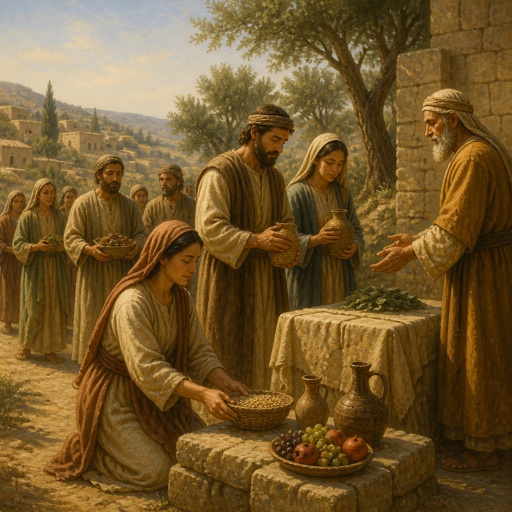
"Every man shall give as he is able, according to the blessing of the LORD thy God which he hath given thee." - Deuteronomy 16:17

Deuteronomy 2:17 - "That the LORD spake unto me, saying,"