Choosing Life: The Blessing of Obedience
“Thou shalt not eat it; that it may go well with thee, and with thy children after thee, when thou shalt do that which is right in the sight of the LORD.” — Deuteronomy 12:25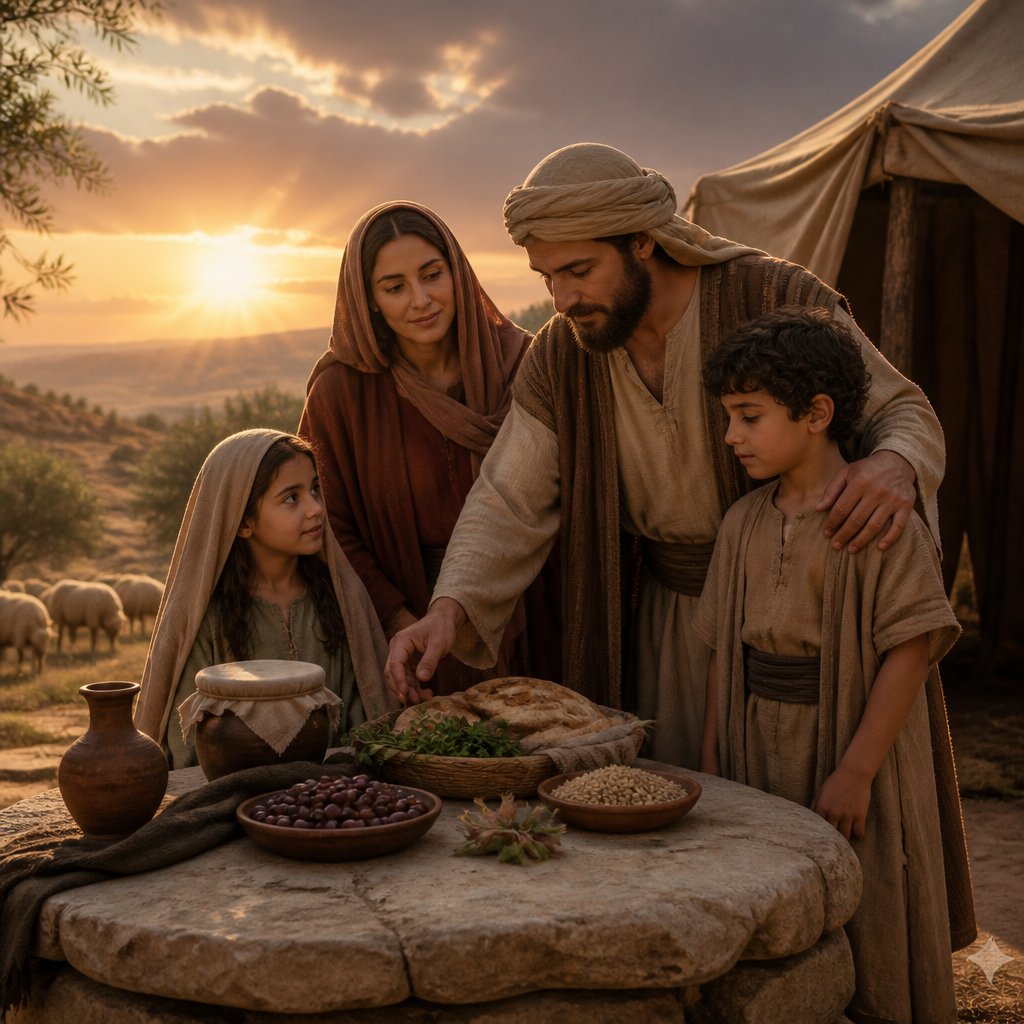
Deuteronomy 12:25 (KJV) states, "Thou shalt not eat it; that it may go well with thee, and with thy children after thee, when thou shalt do that which is right in the sight of the LORD." This verse is part of the larger narrative of the Israelites' journey through the wilderness as they prepare to enter the Promised Land. It serves as a reminder that God's commands are not arbitrary; they are designed for our good and the well-being of future generations.
In this verse, God is admonishing His people concerning their dietary practices in the land they are about to possess. The directive not to eat certain things is deeply intertwined with the principles of holiness and obedience. It is a call to purity, both physically and spiritually. God desires His people to set themselves apart, and through this commitment, He promises that it will go well with them. This promise is not just an individual blessing; it extends to their children and their children's children, emphasizing the generational impact of our choices.
The phrase “that it may go well with thee” carries profound implications. It speaks directly to the heart of God's desires for His people: wellness, prosperity, and favor. The condition laid out—"when thou shalt do that which is right in the sight of the LORD"—indicates that righteousness is linked to obedience. It implies that our actions are always seen by God, and living in a right relationship with Him brings blessings.
Reflecting on this allows us to consider our day-to-day decisions. The choices we make extend beyond our own lives; they influence those around us, particularly our families and communities. Are we making decisions that honor God? Are we choosing paths that glorify Him? These are vital questions to contemplate as we navigate through various circumstances in life.
In a world filled with moral ambiguity, choosing obedience to God's commandments may often seem countercultural. Society may advocate for actions that contradict biblical teachings, but Deuteronomy 12:25 reminds us of the enduring truth that God's guidelines are for our benefit. They are not just rules to be followed; they convey the heart of a loving Father who wants the best for His children—both present and future.
The consequences of our actions can ripple through generations. As parents and caregivers, our example sets a precedent for those who come after us. We champion a legacy of faith when we choose to obey God. Conversely, any rebellion against His commands can also lead to consequences that may affect our children. This weightiness placed on our choices should motivate us to seek the Lord earnestly, asking for guidance as we strive to live rightly.
What’s more, living in obedience is not a burdensome task but rather a joyous experience. When we align our lives with God’s will, we often find unexpected blessings: peace in turmoil, joy in despair, and hope in hopelessness. The assurance that accompanies obedience—that it will go well with us—gives us the strength to persevere through trials. God’s goodness overflows into our lives, reflecting a light that can guide others toward Him.
In conclusion, let us embrace Deuteronomy 12:25 as a call to action and a reminder of God's promises. May we choose to do what is right in His eyes, knowing that our obedience today sets the stage for a flourishing tomorrow—not just for ourselves but for generations to come. Let this be our prayer: that we may walk in His ways, cherishing the blessings that come from a heart surrendered to Him. Amen.
Get our apps


Artwork for Deuteronomy 12:25

Deuteronomy 12:25 - "Thou shalt not eat it; that it may go well with thee, and with thy children after thee, when thou shalt do that which is right in the sight of the LORD."
"Thou shalt not eat it; that it may go well with thee, and with thy children after thee, when thou shalt do that which is right in the sight of the LORD." - Deuteronomy 12:25
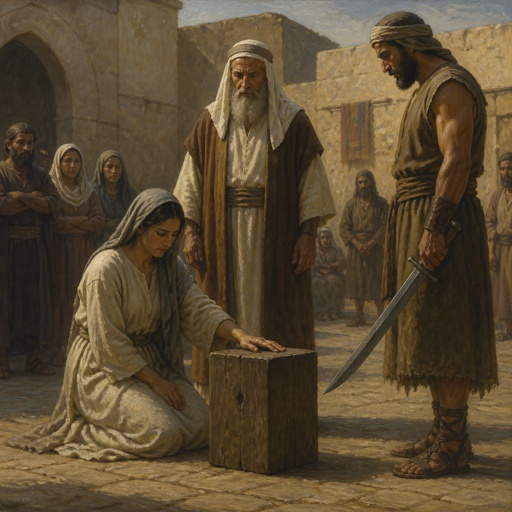
"Then thou shalt cut off her hand, thine eye shall not pity her." - Deuteronomy 25:12

Deuteronomy 25:13 - "¶ Thou shalt not have in thy bag divers weights, a great and a small."

Deuteronomy 25:4 - "¶ Thou shalt not muzzle the ox when he treadeth out the corn."

Deuteronomy 31:25 - "That Moses commanded the Levites, which bare the ark of the covenant of the LORD, saying,"

Deuteronomy 25:14 - "Thou shalt not have in thine house divers measures, a great and a small."

Deuteronomy 33:25 - "Thy shoes shall be iron and brass; and as thy days, so shall thy strength be."

Deuteronomy 25:10 - "And his name shall be called in Israel, The house of him that hath his shoe loosed."

Deuteronomy 25:16 - "For all that do such things, and all that do unrighteously, are an abomination unto the LORD thy God."

Genesis 25:12

John 12:25

Luke 12:25

Luke 12:25

Deuteronomy 27:25 - "Cursed be he that taketh reward to slay an innocent person. And all the people shall say, Amen."

Luke 12:25-26

Luke 12:25-26

Luke 12:25-26

Luke 12:25-26

Luke 12:25-26

Luke 12:25-26

Luke 12:25-26

Deuteronomy 25:17 - "¶ Remember what Amalek did unto thee by the way, when ye were come forth out of Egypt;"

Deuteronomy 14:12 - "But these are they of which ye shall not eat: the eagle, and the ossifrage, and the ospray,"

Deuteronomy 24:12 - "And if the man be poor, thou shalt not sleep with his pledge:"

Deuteronomy 3:25 - "I pray thee, let me go over, and see the good land that is beyond Jordan, that goodly mountain, and Lebanon."

Deuteronomy 25:1 - "If there be a controversy between men, and they come unto judgment, that the judges may judge them; then they shall justify the righteous, and condemn the wicked."

Deuteronomy 32:25 - "The sword without, and terror within, shall destroy both the young man and the virgin, the suckling also with the man of gray hairs."

Deuteronomy 12:4 - "Ye shall not do so unto the LORD your God."

Deuteronomy 25:8 - "Then the elders of his city shall call him, and speak unto him: and if he stand to it, and say, I like not to take her;"