What does Deuteronomy 12:25 mean?
“Thou shalt not eat it; that it may go well with thee, and with thy children after thee, when thou shalt do that which is right in the sight of the LORD.” — Deuteronomy 12:25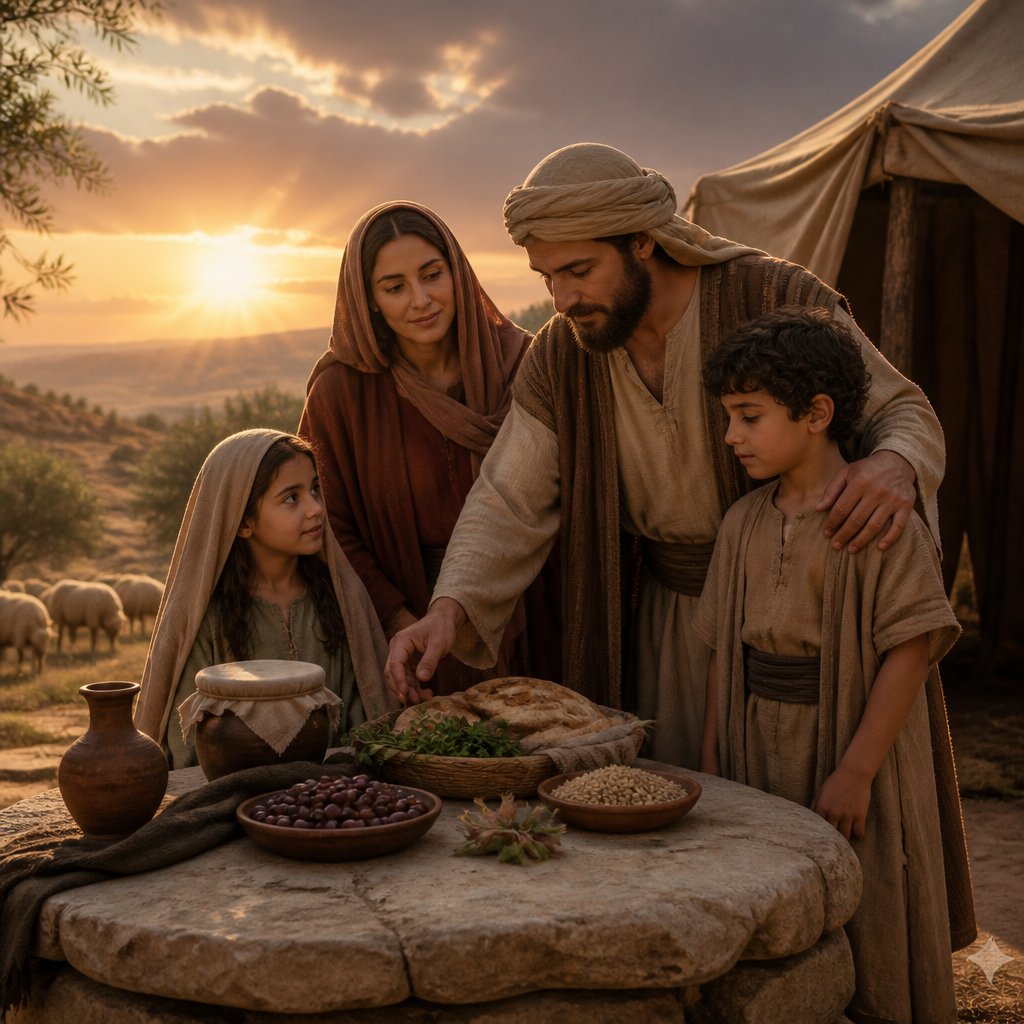
Deuteronomy 12:25 (KJV) states, "Thou shalt not eat it; that it may go well with thee, and with thy children after thee, when thou shalt do that which is right in the sight of the Lord." This verse is a part of the book of Deuteronomy in the Old Testament, and it is part of Moses' farewell address to the Israelites before they enter the Promised Land. In this chapter, Moses is outlining laws and regulations for the Israelites to follow once they enter the land.
The verse specifically addresses the command not to eat the blood of animals. In the preceding verses, God commands the Israelites to bring their burnt offerings and sacrifices to the place where He chooses to make His name dwell (verse 11). In verse 15, Moses instructs the Israelites that they may eat the meat of their animals in the same manner as they would eat the gazelle or deer, which sets guidelines for the consumption of meat from their own livestock. However, he also warns them to not eat the blood, as the blood is designated for the altar as an atonement for their souls.
The command not to eat blood has several important implications and symbolisms in the context of the Old Testament and the early Israelite community. First and foremost, it serves as a reminder of the sacredness of blood as a symbol of life. In Leviticus 17:11, God explains that "the life of the flesh is in the blood: and I have given it to you upon the altar to make an atonement for your souls: for it is the blood that maketh an atonement for the soul." This emphasizes the significance of blood in the atonement of sins and underscores the seriousness of the sin of consuming blood.
Furthermore, the prohibition against eating blood serves as a marker of the Israelites' separation and consecration as God's chosen people. By abstaining from consuming blood, the Israelites are distinguishing themselves from the pagan nations who engage in blood rituals and sacrifices to their false gods. It reaffirms their commitment to the covenant with God and their obedience to His commands.
The verse also carries a deeper spiritual and moral message. By obeying the commandments of God, the Israelites are promised that "it may go well with thee, and with thy children after thee, when thou shalt do that which is right in the sight of the Lord." This reflects the biblical principle of reaping what one sows and the connection between obedience to God's laws and His blessings upon the individual and the community. It conveys the idea that obedience to God's commands leads to a thriving and prosperous life, both for the present generation and for future generations.
In a broader context, this verse is part of the moral and ethical framework outlined in the book of Deuteronomy. The book emphasizes the importance of obedience to God's commandments, love and reverence for God, and justice and compassion toward one's fellow human beings. The command not to eat blood is a part of this ethical code, which seeks to shape the Israelites into a community that reflects God's character and holiness. The verse underscores the interconnectedness of individual behavior and societal well-being, as the consequences of obedience or disobedience extend to future generations.
In conclusion, Deuteronomy 12:25 carries significant theological, ethical, and moral implications within the context of the Old Testament and the Israelite community. It symbolizes the sacredness of blood, the separation of the Israelites as God's chosen people, and the correlation between obedience to God's laws and His blessings. It also reinforces the broader themes of covenantal faithfulness, moral responsibility, and the pursuit of a just and righteous society.
Get our apps


Artwork for Deuteronomy 12:25

Deuteronomy 12:25 - "Thou shalt not eat it; that it may go well with thee, and with thy children after thee, when thou shalt do that which is right in the sight of the LORD."
"Thou shalt not eat it; that it may go well with thee, and with thy children after thee, when thou shalt do that which is right in the sight of the LORD." - Deuteronomy 12:25
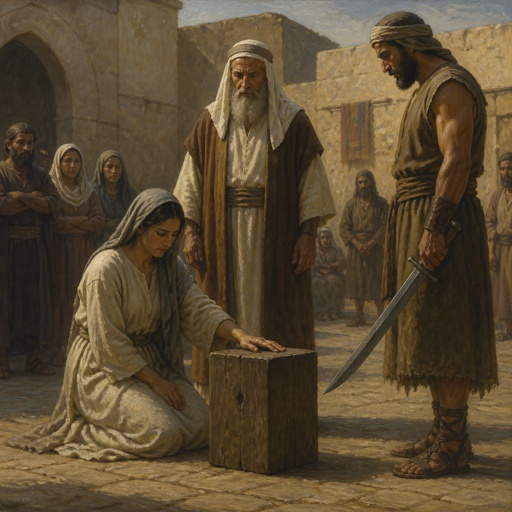
"Then thou shalt cut off her hand, thine eye shall not pity her." - Deuteronomy 25:12

Deuteronomy 25:13 - "¶ Thou shalt not have in thy bag divers weights, a great and a small."

Deuteronomy 25:4 - "¶ Thou shalt not muzzle the ox when he treadeth out the corn."

Deuteronomy 31:25 - "That Moses commanded the Levites, which bare the ark of the covenant of the LORD, saying,"

Deuteronomy 25:14 - "Thou shalt not have in thine house divers measures, a great and a small."

Deuteronomy 33:25 - "Thy shoes shall be iron and brass; and as thy days, so shall thy strength be."

Deuteronomy 25:10 - "And his name shall be called in Israel, The house of him that hath his shoe loosed."

Deuteronomy 25:16 - "For all that do such things, and all that do unrighteously, are an abomination unto the LORD thy God."

Genesis 25:12

John 12:25

Luke 12:25

Luke 12:25

Deuteronomy 27:25 - "Cursed be he that taketh reward to slay an innocent person. And all the people shall say, Amen."

Luke 12:25-26

Luke 12:25-26

Luke 12:25-26

Luke 12:25-26

Luke 12:25-26
Luke 12:25-26

Luke 12:25-26

Deuteronomy 25:17 - "¶ Remember what Amalek did unto thee by the way, when ye were come forth out of Egypt;"

Deuteronomy 14:12 - "But these are they of which ye shall not eat: the eagle, and the ossifrage, and the ospray,"

Deuteronomy 24:12 - "And if the man be poor, thou shalt not sleep with his pledge:"

Deuteronomy 3:25 - "I pray thee, let me go over, and see the good land that is beyond Jordan, that goodly mountain, and Lebanon."

Deuteronomy 25:1 - "If there be a controversy between men, and they come unto judgment, that the judges may judge them; then they shall justify the righteous, and condemn the wicked."

Deuteronomy 32:25 - "The sword without, and terror within, shall destroy both the young man and the virgin, the suckling also with the man of gray hairs."

Deuteronomy 12:4 - "Ye shall not do so unto the LORD your God."

Deuteronomy 25:8 - "Then the elders of his city shall call him, and speak unto him: and if he stand to it, and say, I like not to take her;"