Blessing in Generosity: A Reflection on Deuteronomy 14:29
“And the Levite, ( because he hath no part nor inheritance with thee,) and the stranger, and the fatherless, and the widow, which are within thy gates, shall come, and shall eat and be satisfied; that the LORD thy God may bless thee in all the work of thine hand which thou doest.” — Deuteronomy 14:29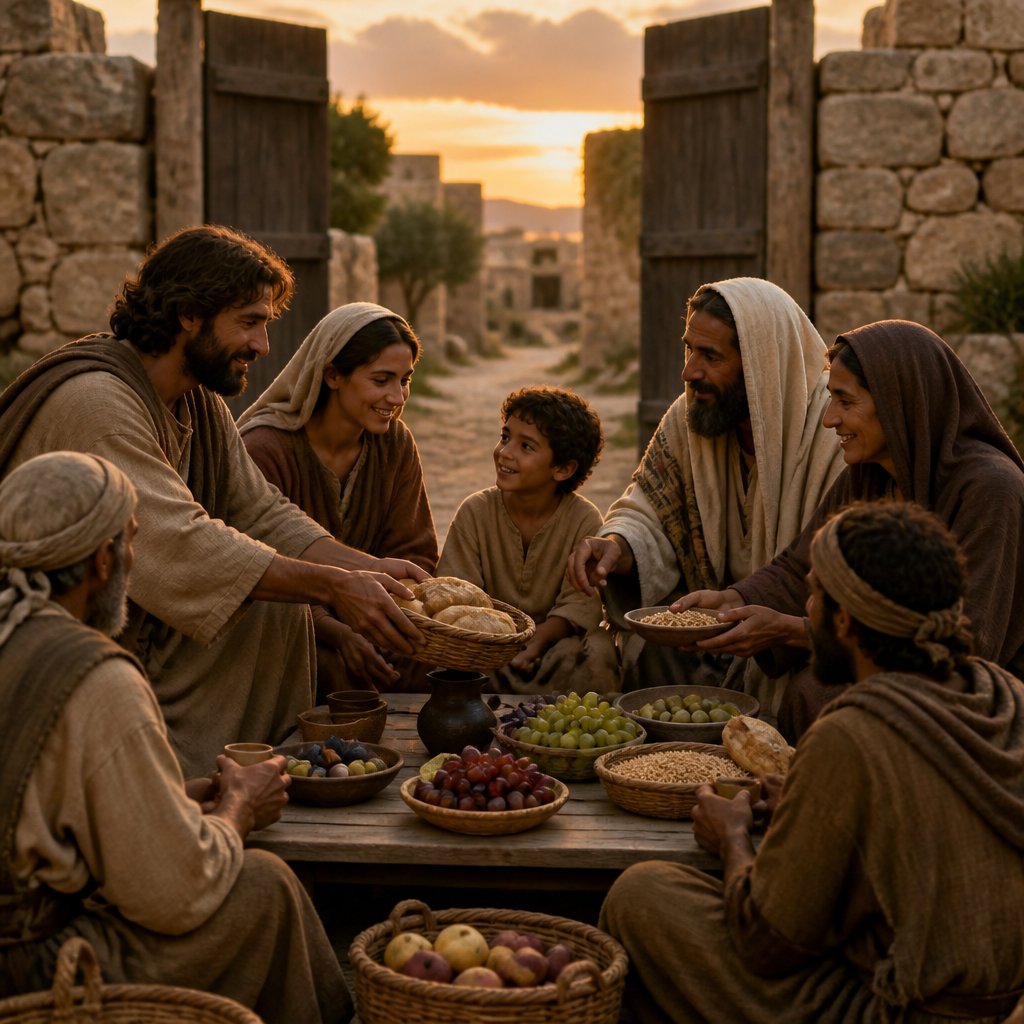
Deuteronomy 14:29 in the King James Version presents a profound instruction that extends beyond a mere guideline of giving; it is an invitation into the heart of God’s economy of grace and compassion. The verse states: "And the Levite, (because he hath no part nor inheritance with thee,) and the stranger, and the fatherless, and the widow, which are within thy gates, shall come, and shall eat and be satisfied; that the LORD thy God may bless thee in all the work of thine hand which thou doest." This passage reveals key lessons about community, generosity, and divine blessing.
In the Old Testament context, the Levites were set apart as the priestly class of Israel. They did not receive land as an inheritance, so their sustenance depended on the generosity of the people. Similarly, the stranger, the fatherless, and the widow were individuals who faced vulnerability in society. The inclusion of these groups highlights God’s concern for the marginalized. In thinking about our own communities, who are the ‘Levites’? Who are the ‘strangers’, the ‘fatherless’, and the ‘widows’? Identifying these groups within our own context allows us to embody the love of Christ in tangible ways.
God commands His people to ensure that those who are needy within their gates are provided for, emphasizing that their need is not merely a social concern but a spiritual directive. We cannot ignore the relational and communal aspect inherent in this scripture. It encourages a lifestyle of generosity rather than a single act of charity. This means nourishing the spirit of kinship and embodying the essence of loving our neighbor. In a world that often focuses on self-gain or isolation, this verse calls us to actively pursue ways to lift up others.
The inclusion of these specific groups evokes a sense of responsibility for those who may not be able to help themselves. As followers of Christ, we are reminded of the New Testament teaching regarding the treatment of the least among us. In Matthew 25:40, Jesus illustrates that whatever we do for the least of our brothers and sisters, we do for Him. This profound interconnectedness reinforces the need for empathy and generosity in fulfilling God’s command.
Moreover, the promise that follows – “that the LORD thy God may bless thee in all the work of thine hand which thou doest” – speaks volumes about the reciprocal nature of generosity. Though the act is one of giving, God is keen to remind us that when we pour out our resources for the sake of others, we are inviting His blessing upon our endeavors. It reflects a principle of sowing and reaping: when we give, we create room in our lives to receive in return, though not always in material ways.
This divine cycle fosters a community sculpted by generosity, and it cultivates an environment where God’s blessings overflow. We might not always see those blessings manifest in the way we expect, but the assurance remains that God is at work when we contribute selflessly.
Reflecting on Deuteronomy 14:29 invites us to examine how we engage with those around us. Have we become complacent in our lives, focusing solely on our needs while neglecting the cries of the ‘Levite’, the stranger, the fatherless, and the widow? Or are we willing to stretch ourselves, to be taken out of our comfort zones, and create space at the table for those in need?
Ultimately, God’s call for generosity is not solely about fulfilling duty; it is about embracing the divine nature of love and sacrifice. Let us cultivate hearts generous in spirit, reflecting the heart of our Heavenly Father, and may we witness the blessings flow from our hands into the lives of others, glorifying God in all we do.
Get our apps


Artwork for Deuteronomy 14:29

Deuteronomy 14:29 - "And the Levite, (because he hath no part nor inheritance with thee,) and the stranger, and the fatherless, and the widow, which are within thy gates, shall come, and shall eat and be satisfied; that the LORD thy God may bless thee in all the work of thine hand which thou doest."
"And the Levite, (because he hath no part nor inheritance with thee,) and the stranger, and the fatherless, and the widow, which are within thy gates, shall come, and shall eat and be satisfied; that the LORD thy God may bless thee in all the work of thine hand which thou doest." - Deuteronomy 14:29

Deuteronomy 29:14 - "Neither with you only do I make this covenant and this oath;"
"Neither with you only do I make this covenant and this oath;" - Deuteronomy 29:14

Deuteronomy 14:14 - "And every raven after his kind,"

Deuteronomy 3:29 - "So we abode in the valley over against Beth-peor."

Deuteronomy 1:29 - "Then I said unto you, Dread not, neither be afraid of them."

Deuteronomy 32:29 - "O that they were wise, that they understood this, that they would consider their latter end!"

Deuteronomy 29:29 - "The secret things belong unto the LORD our God: but those things which are revealed belong unto us and to our children for ever, that we may do all the words of this law."

Deuteronomy 29:3 - "The great temptations which thine eyes have seen, the signs, and those great miracles:"

Deuteronomy 29:27 - "And the anger of the LORD was kindled against this land, to bring upon it all the curses that are written in this book:"

Deuteronomy 29:8 - "And we took their land, and gave it for an inheritance unto the Reubenites, and to the Gadites, and to the half tribe of Manasseh."

Deuteronomy 14:28-29 - "At the end of every three years, bring all the tithes of that year’s produce and store it in your towns, so that the Levites (who have no allotment or inheritance of their own) and the foreigners, the fatherless and the widows who live in your towns may come and eat and be satisfied, and so that the LORD your God may bless you in all the work of your hands."

John 14:23-29

John 14:23-29

Jeremiah 29: 4-14

Jeremiah 29: 4-14
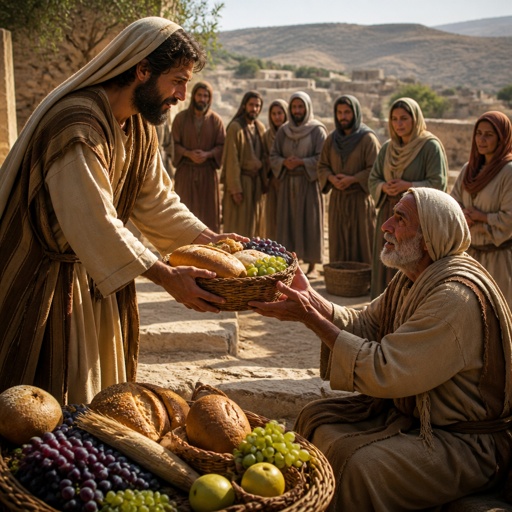
Deut 14:28-29

Jeremiah 29: 4-14

John 14:23-29

Jeremiah 29: 4-14

Jeremiah 29: 4-14

Deuteronomy 29:9 - "Keep therefore the words of this covenant, and do them, that ye may prosper in all that ye do."

Deuteronomy 14:17 - "And the pelican, and the gier eagle, and the cormorant,"

"And every raven after his kind," - Deuteronomy 14:14

Deuteronomy 29:4 - "Yet the LORD hath not given you an heart to perceive, and eyes to see, and ears to hear, unto this day."

Deuteronomy 29:17 - "And ye have seen their abominations, and their idols, wood and stone, silver and gold, which were among them:)"

Deuteronomy 29:28 - "And the LORD rooted them out of their land in anger, and in wrath, and in great indignation, and cast them into another land, as it is this day."

Deuteronomy 14:16 - "The little owl, and the great owl, and the swan,"

Deuteronomy 29:15 - "But with him that standeth here with us this day before the LORD our God, and also with him that is not here with us this day:"