Embracing Our Identity as Children of God
“Ye are the children of the LORD your God: ye shall not cut yourselves, nor make any baldness between your eyes for the dead.” — Deuteronomy 14:1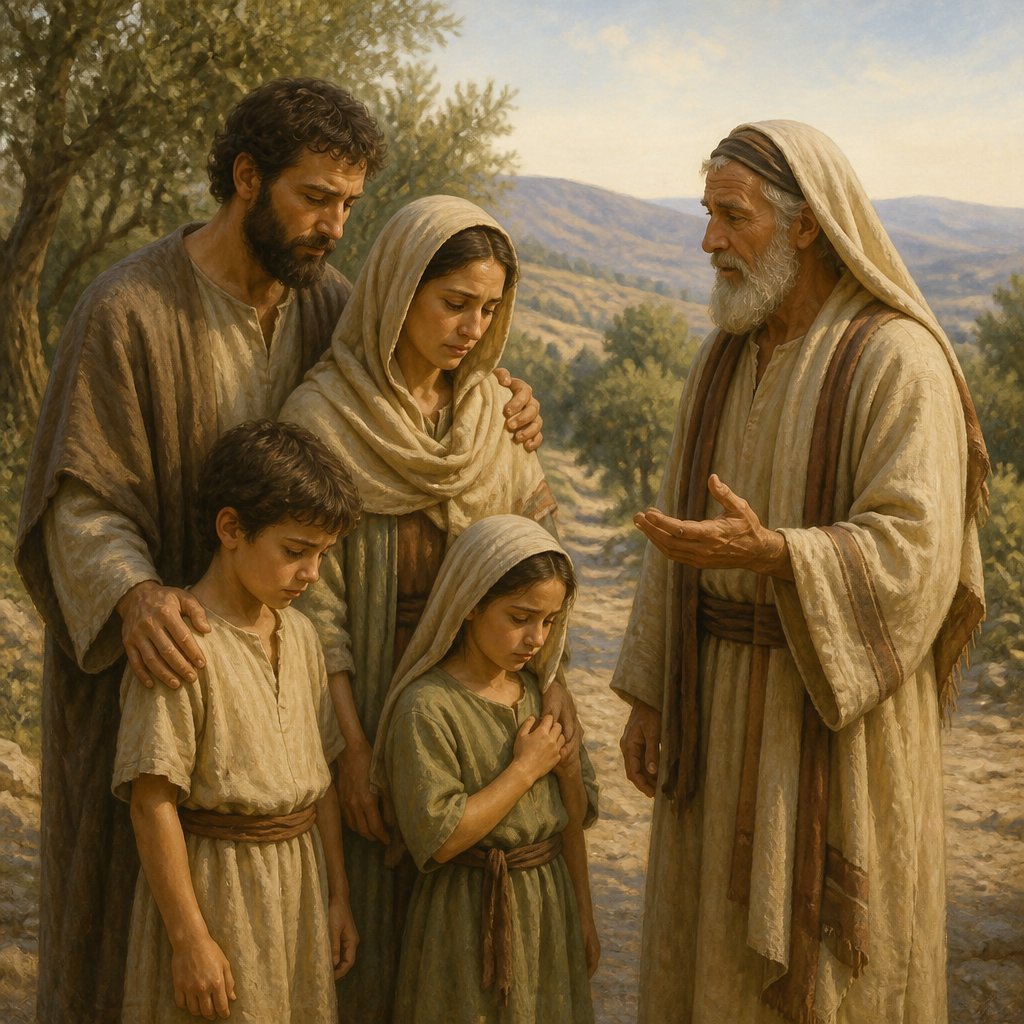
Deuteronomy 14:1 says, "Ye are the children of the LORD your God: ye shall not cut yourselves, nor make any baldness between your eyes for the dead." This powerful verse resonates deeply with the identity that God imparts to us as His children. In the context of the ancient Israelites, these particular prohibitions were designed to distinguish them from the nations around them, who often engaged in pagan ritual practices during times of mourning. As New Testament believers, we are also called to a unique identity that should reflect our relationship with God and lead to a lifestyle that honors Him.
God begins by declaring, "Ye are the children of the LORD your God" (Deuteronomy 14:1). This statement is profound, presenting not just a title but a transformative relationship. To be a child of God means that you are part of His family, His chosen people, set apart and loved immeasurably. This divine filiation carries weighty implications; it signifies that we belong to Him, we share in His inheritance, and we are invited to engage in an intimate relationship with the Creator of the universe.
As we reflect on being children of God, we must also consider what that means for our lives today. Our identity shapes our actions, our choices, and ultimately how we represent our Father in this world. In the context of Deuteronomy, God instructs His people to avoid specific practices associated with mourning and pagan rituals. Cutting oneself or shaving the head were acts linked to despair and loss. God wanted His people to respond to grief not with hopelessness but with faith and trust in Him. When we find ourselves facing trials, difficult circumstances, or the sorrow of loss, we too are reminded that our reaction must be rooted in our identity as God’s children.
In modern times, this concept carries over as we deal with our personal challenges. We are often tempted to conform to the patterns of this world, coping with grief, anxiety, or sorrow in harmful ways—whether through self-destructive behaviors, unhealthy relationships, or seeking solace in temporary pleasures. However, God is calling us to a higher standard. As His children, we can approach grief and pain from a position of strength. We can lay our burdens down at His feet, trusting that He sees, knows, and cares deeply for our struggles.
When we understand who we are—beloved children—we can find comfort in the depth of His love. The assurance that we are His own opens the door for healing and restoration. God does not want us to wallow in despair; He wants to give us beauty for ashes (Isaiah 61:3). Our mourning can become a time to draw closer to our Father, building our faith as we lean into His promises.
Moreover, the call to not make any baldness between our eyes signifies more than abstaining from specific practices; it serves as a reminder that our focus on the LORD should be unashamed and unwavering. When we align our feelings and responses with our identity in Christ, we will find that we start to reflect His character to those around us. People will see our peace in chaos, our joy amidst sorrow, and our hope in despair.
In closing, let us remember who we are: children of the Most High God. Let this identity inspire us to live lives that honor Him, turning away from the patterns of this world that do not reflect His heart. Instead, let us embrace our eternal inheritance and walk boldly in the truth that we are indeed His children, cherished and loved beyond measure.
Get our apps


Artwork for Deuteronomy 14:1

Deuteronomy 14:1 - "Ye are the children of the LORD your God: ye shall not cut yourselves, nor make any baldness between your eyes for the dead."
"Ye are the children of the LORD your God: ye shall not cut yourselves, nor make any baldness between your eyes for the dead." - Deuteronomy 14:1

Deuteronomy 1:14 - "And ye answered me, and said, The thing which thou hast spoken is good for us to do."

Deuteronomy 14:14 - "And every raven after his kind,"

Deuteronomy 14:17 - "And the pelican, and the gier eagle, and the cormorant,"

"And every raven after his kind," - Deuteronomy 14:14

Deuteronomy 14:16 - "The little owl, and the great owl, and the swan,"

Deuteronomy 14:3 - "¶ Thou shalt not eat any abominable thing."

Deuteronomy 14:11 - "¶ Of all clean birds ye shall eat."

Deuteronomy 14:20 - "But of all clean fowls ye may eat."

Deuteronomy 14:13 - "And the glede, and the kite, and the vulture after his kind,"

Deuteronomy 14:18 - "And the stork, and the heron after her kind, and the lapwing, and the bat."

Deuteronomy 14:12 - "But these are they of which ye shall not eat: the eagle, and the ossifrage, and the ospray,"

Deuteronomy 14:15 - "And the owl, and the night hawk, and the cuckow, and the hawk after his kind,"

Deuteronomy 29:14 - "Neither with you only do I make this covenant and this oath;"
"And ye answered me, and said, The thing which thou hast spoken is good for us to do." - Deuteronomy 1:14

Deuteronomy 14:4 - "These are the beasts which ye shall eat: the ox, the sheep, and the goat,"

Deuteronomy 14:19 - "And every creeping thing that flieth is unclean unto you: they shall not be eaten."

Deuteronomy 25:14 - "Thou shalt not have in thine house divers measures, a great and a small."

"And the pelican, and the gier eagle, and the cormorant," - Deuteronomy 14:17

Deuteronomy 27:14 - "¶ And the Levites shall speak, and say unto all the men of Israel with a loud voice,"

Deuteronomy 14:10 - "And whatsoever hath not fins and scales ye may not eat; it is unclean unto you."

Deuteronomy 14:5 - "The hart, and the roebuck, and the fallow deer, and the wild goat, and the pygarg, and the wild ox, and the chamois."

Deuteronomy 33:14 - "And for the precious fruits brought forth by the sun, and for the precious things put forth by the moon,"

Deuteronomy 10:14 - "Behold, the heaven and the heaven of heavens is the LORD'S thy God, the earth also, with all that therein is."

Deuteronomy 14:9 - "¶ These ye shall eat of all that are in the waters: all that have fins and scales shall ye eat:"

Deuteronomy 6:14 - "Ye shall not go after other gods, of the gods of the people which are round about you;"

Deuteronomy 30:14 - "But the word is very nigh unto thee, in thy mouth, and in thy heart, that thou mayest do it."

"The little owl, and the great owl, and the swan," - Deuteronomy 14:16

Deuteronomy 14:22 - "Thou shalt truly tithe all the increase of thy seed, that the field bringeth forth year by year."