What does Deuteronomy 14:1 mean?
“Ye are the children of the LORD your God: ye shall not cut yourselves, nor make any baldness between your eyes for the dead.” — Deuteronomy 14:1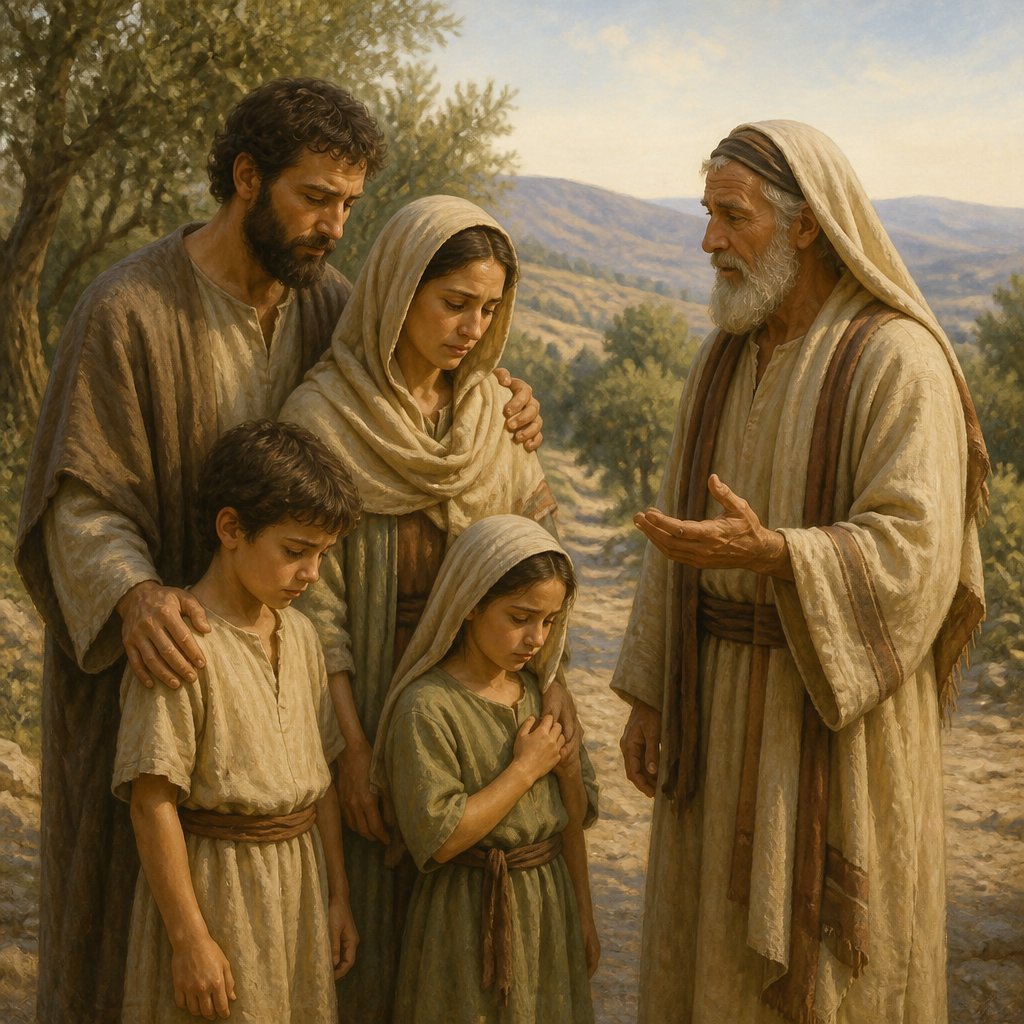
Deuteronomy 14:1 in the King James Version of the Bible states, "Ye are the children of the Lord your God: ye shall not cut yourselves, nor make any baldness between your eyes for the dead." This verse is part of the larger context of Deuteronomy, which is Moses' final address to the Israelites before they enter the Promised Land. In this particular chapter, Moses is instructing the Israelites on various laws and regulations regarding their conduct and worship.
The verse begins with the declaration, "Ye are the children of the Lord your God," which serves as a reminder to the Israelites of their special relationship with God. It emphasizes their chosen status as God's people and their responsibility to live according to His commands. This statement sets the tone for the rest of the verse, which addresses specific practices related to mourning and honoring the dead.
The prohibition against cutting oneself or making baldness between the eyes for the dead was a common mourning practice in many ancient cultures, including those surrounding the Israelites. These actions were often done as a sign of grief and were seen as a way to honor the deceased. However, in this verse, God commands the Israelites not to engage in these practices. This prohibition serves as a reminder to the Israelites that their identity as God's chosen people sets them apart from the surrounding nations, and their behavior should reflect this distinction.
The symbolism and themes within this verse are multi-layered. On one level, it points to the Israelites' unique status as God's chosen people and the need for them to adhere to His standards of behavior. This includes refraining from adopting the mourning customs of the pagan nations around them. Additionally, the prohibition against cutting and self-mutilation can be seen as a broader commentary on the importance of respecting the human body, which is a temple of the Holy Spirit (1 Corinthians 6:19). It teaches the principle of honoring the deceased without engaging in harmful or extreme practices that can be physically and spiritually detrimental.
Furthermore, this verse also highlights the theme of obedience and submission to God's commands. By instructing the Israelites not to engage in these mourning practices, God is establishing His authority and sovereignty over all aspects of their lives, including how they grieve and honor the dead. This serves as a reminder that God's laws and principles should govern every area of their existence, even in matters of mourning and remembrance.
In its larger context, this verse also serves as a reflection of the broader themes of holiness, separation, and the distinctiveness of the Israelites as God's chosen people. Throughout the book of Deuteronomy, there is a constant emphasis on the need for the Israelites to remain separate from the practices and beliefs of the surrounding nations and to live in a way that reflects their unique relationship with God. This verse is a manifestation of this overarching theme and serves as a specific application of the principle of holiness in the area of mourning and bereavement.
In conclusion, Deuteronomy 14:1 is a verse that encompasses themes of identity, obedience, holiness, and honoring the deceased. Its prohibition against specific mourning practices serves as a reminder to the Israelites of their unique status as God's chosen people and their responsibility to live in a way that reflects this special relationship. It also highlights the broader principle of submission to God's commands in all aspects of life, including mourning and remembrance. Ultimately, this verse serves as a poignant reminder to the Israelites – and to all believers – of the need to honor God in every area of life, even in times of grief and loss.
Get our apps


Artwork for Deuteronomy 14:1

Deuteronomy 14:1 - "Ye are the children of the LORD your God: ye shall not cut yourselves, nor make any baldness between your eyes for the dead."
"Ye are the children of the LORD your God: ye shall not cut yourselves, nor make any baldness between your eyes for the dead." - Deuteronomy 14:1

Deuteronomy 1:14 - "And ye answered me, and said, The thing which thou hast spoken is good for us to do."

Deuteronomy 14:14 - "And every raven after his kind,"

Deuteronomy 14:17 - "And the pelican, and the gier eagle, and the cormorant,"

"And every raven after his kind," - Deuteronomy 14:14

Deuteronomy 14:16 - "The little owl, and the great owl, and the swan,"

Deuteronomy 14:3 - "¶ Thou shalt not eat any abominable thing."

Deuteronomy 14:11 - "¶ Of all clean birds ye shall eat."

Deuteronomy 14:20 - "But of all clean fowls ye may eat."

Deuteronomy 14:13 - "And the glede, and the kite, and the vulture after his kind,"

Deuteronomy 14:18 - "And the stork, and the heron after her kind, and the lapwing, and the bat."

Deuteronomy 14:12 - "But these are they of which ye shall not eat: the eagle, and the ossifrage, and the ospray,"

Deuteronomy 14:15 - "And the owl, and the night hawk, and the cuckow, and the hawk after his kind,"

Deuteronomy 29:14 - "Neither with you only do I make this covenant and this oath;"
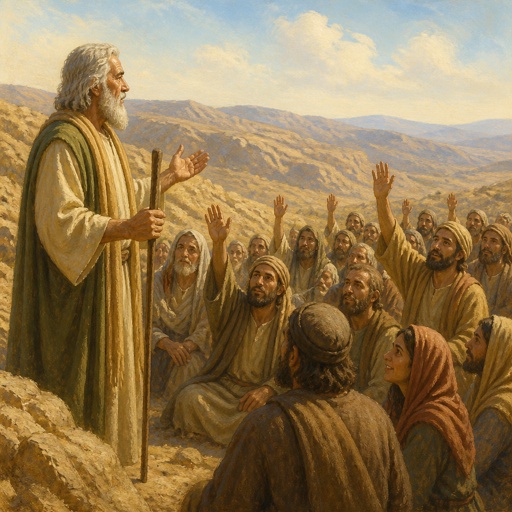
"And ye answered me, and said, The thing which thou hast spoken is good for us to do." - Deuteronomy 1:14

Deuteronomy 14:4 - "These are the beasts which ye shall eat: the ox, the sheep, and the goat,"

Deuteronomy 14:19 - "And every creeping thing that flieth is unclean unto you: they shall not be eaten."

Deuteronomy 25:14 - "Thou shalt not have in thine house divers measures, a great and a small."

"And the pelican, and the gier eagle, and the cormorant," - Deuteronomy 14:17

Deuteronomy 27:14 - "¶ And the Levites shall speak, and say unto all the men of Israel with a loud voice,"

Deuteronomy 14:10 - "And whatsoever hath not fins and scales ye may not eat; it is unclean unto you."

Deuteronomy 14:5 - "The hart, and the roebuck, and the fallow deer, and the wild goat, and the pygarg, and the wild ox, and the chamois."

Deuteronomy 33:14 - "And for the precious fruits brought forth by the sun, and for the precious things put forth by the moon,"

Deuteronomy 10:14 - "Behold, the heaven and the heaven of heavens is the LORD'S thy God, the earth also, with all that therein is."

Deuteronomy 14:9 - "¶ These ye shall eat of all that are in the waters: all that have fins and scales shall ye eat:"

Deuteronomy 6:14 - "Ye shall not go after other gods, of the gods of the people which are round about you;"

Deuteronomy 30:14 - "But the word is very nigh unto thee, in thy mouth, and in thy heart, that thou mayest do it."

"The little owl, and the great owl, and the swan," - Deuteronomy 14:16

Deuteronomy 14:22 - "Thou shalt truly tithe all the increase of thy seed, that the field bringeth forth year by year."