Journeying with Divine Provision
“And if the way be too long for thee, so that thou art not able to carry it; or if the place be too far from thee, which the LORD thy God shall choose to set his name there, when the LORD thy God hath blessed thee:” — Deuteronomy 14:24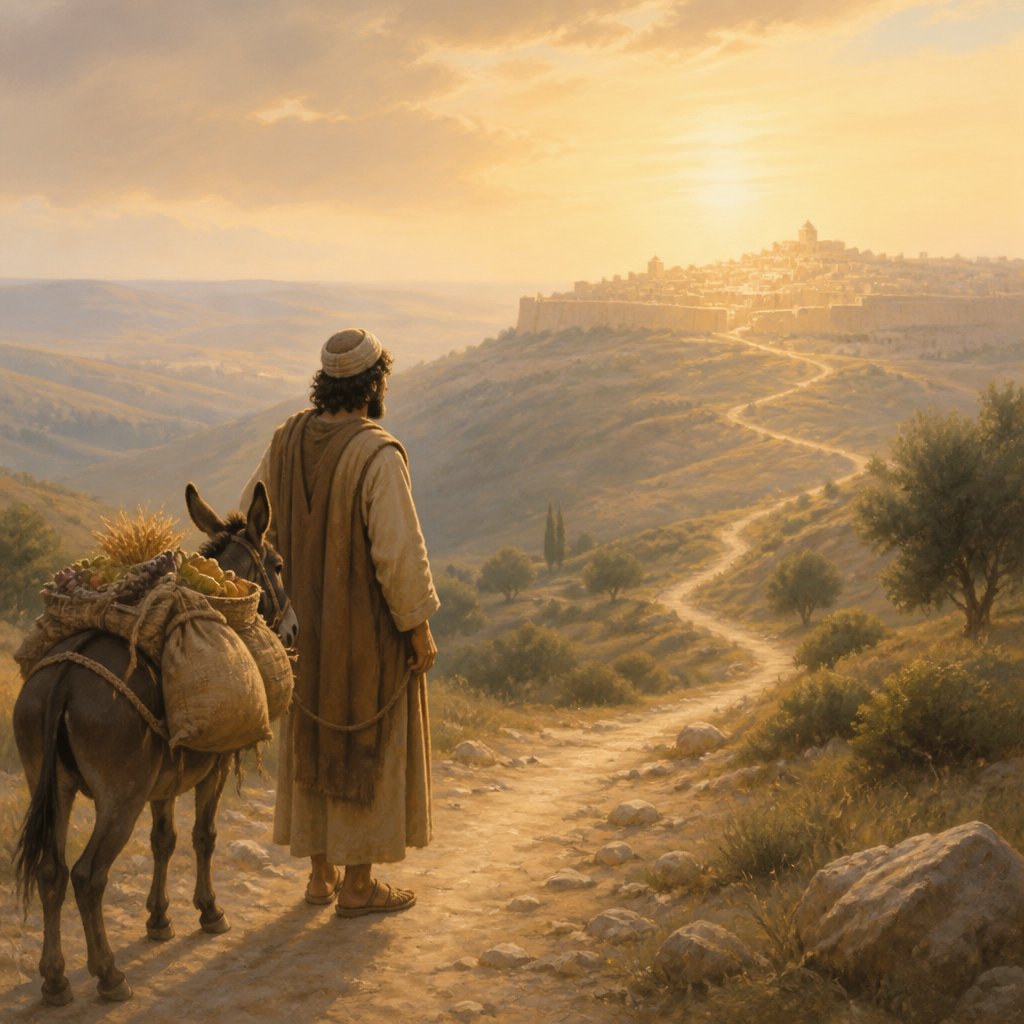
As we delve into the wisdom of Deuteronomy 14:24, we encounter a rich tapestry of instruction and grace from God to His people. The verse reads: "And if the way be too long for thee, so that thou art not able to carry it; or if the place be too far from thee, which the LORD thy God shall choose to set his name there, when the LORD thy God hath blessed thee:"
This scripture emerges from a context where God’s people, the Israelites, are journeying through the wilderness. They are on their way to a promised land—a tangible symbol of God’s blessings and abundance. Throughout this journey, God provides laws and guidelines that govern how His people are to live, worship, and relate to one another and to Him.
In reflecting on the phrase "if the way be too long for thee," we are reminded that life often feels burdensome and overwhelming. Just as the Israelites faced a physically demanding journey, many of us encounter the long and arduous roads of life filled with trials, tribulations, and uncertainty. God acknowledges the struggles of His people—their limitations, their fatigue, and their moments of doubt.
Herein lies an important truth: God does not expect us to bear our burdens alone. The invocation of the journey having the potential to be too long for them serves as an assurance of God’s understanding of human frailty. When faced with long paths—be it in the quests for dreams, healing, reconciliation, or even spiritual growth—it is crucial to remember that God is not distant. He bears witness to our struggles and is ready to ease our burdens if we call upon Him.
Next in the verse, we encounter the concept of distance: "if the place be too far from thee, which the LORD thy God shall choose to set his name there." Here, we face the reality that God has designated certain places in our lives for blessings and divine encounters. The ‘place’ God refers to can be a physical location—say a place of worship, a new home, or a destination of purpose. However, more poignantly, it can also symbolize spiritual locations: moments of revelation, encounters with His Spirit, or places of healing.
God’s choice of where to set His name implies that He has specific blessings already mapped out for us in our spiritual journey—things He has ordained to bless us and to grow us. Yet, the distance and difficulty may cause us to feel that we cannot reach these blessings. In our human reasoning, the obstacles before us can seem insurmountable, leading us to question if we are truly capable of experiencing God’s fullness.
This scripture offers profound encouragement: it conveys that God not only understands our difficulties but has also provided ways for us to navigate them. How? By His divine provision, the same provision He afforded the Israelites. The latter half of the verse—"when the LORD thy God hath blessed thee”—reminds us to focus on the end—the promise of blessing.
The assurance that God acknowledges our journeys and provides for our needs should bring comfort. In our moments of weakness, let us not forget the covenant God has with His people. He desires to bless us. He knows we may falter along the way, struggle to carry heavy burdens, or feel like we are falling short. In our weakness, His strength is made perfect.
As we contemplate Deuteronomy 14:24 in our own lives, let us remember that every obstacle and every long journey we undertake is accompanied by the promise of God’s proximity and His blessings. We are not abandoned. Instead, we can lean on God’s provision, trusting that He will empower us to navigate our journeys, even when they seem too long. Let us take heart, for God’s strength uplifts us, His blessings locate us, and His presence infuses every step of our journey with purpose.
Get our apps


Artwork for Deuteronomy 14:24

Deuteronomy 14:24 - "And if the way be too long for thee, so that thou art not able to carry it; or if the place be too far from thee, which the LORD thy God shall choose to set his name there, when the LORD thy God hath blessed thee:"
"And if the way be too long for thee, so that thou art not able to carry it; or if the place be too far from thee, which the LORD thy God shall choose to set his name there, when the LORD thy God hath blessed thee:" - Deuteronomy 14:24

Deuteronomy 24:14 - "¶ Thou shalt not oppress an hired servant that is poor and needy, whether he be of thy brethren, or of thy strangers that are in thy land within thy gates:"

Deuteronomy 14:14 - "And every raven after his kind,"

Deuteronomy 24:12 - "And if the man be poor, thou shalt not sleep with his pledge:"

Deuteronomy 4:24 - "For the LORD thy God is a consuming fire, even a jealous God."

Deuteronomy 14:17 - "And the pelican, and the gier eagle, and the cormorant,"

"And every raven after his kind," - Deuteronomy 14:14
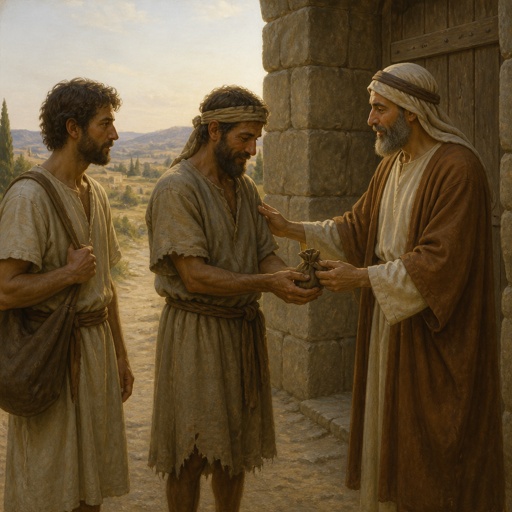
"¶ Thou shalt not oppress an hired servant that is poor and needy, whether he be of thy brethren, or of thy strangers that are in thy land within thy gates:" - Deuteronomy 24:14

Deuteronomy 12:24 - "Thou shalt not eat it; thou shalt pour it upon the earth as water."

Deuteronomy 14:16 - "The little owl, and the great owl, and the swan,"

Deuteronomy 1:24 - "And they turned and went up into the mountain, and came unto the valley of Eshcol, and searched it out."

Genesis 24-14

Deuteronomy 14:3 - "¶ Thou shalt not eat any abominable thing."

Deuteronomy 9:24 - "Ye have been rebellious against the LORD from the day that I knew you."

Deuteronomy 27:24 - "Cursed be he that smiteth his neighbour secretly. And all the people shall say, Amen."

Deuteronomy 14:11 - "¶ Of all clean birds ye shall eat."

Deuteronomy 14:20 - "But of all clean fowls ye may eat."

Deuteronomy 14:13 - "And the glede, and the kite, and the vulture after his kind,"
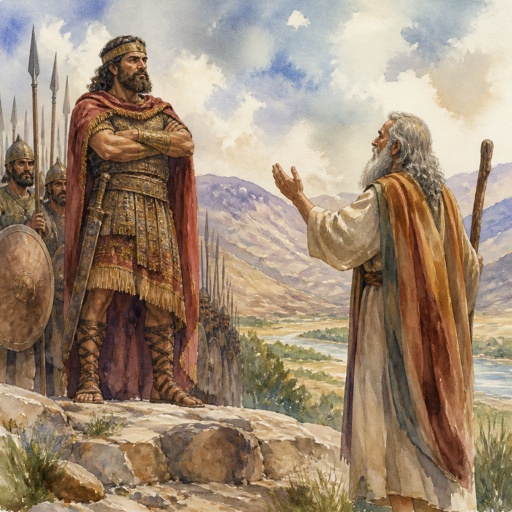
Sihon king of heshbon and Moses in Deuteronomy 2:24-37

Deuteronomy 24:17 - "¶ Thou shalt not pervert the judgment of the stranger, nor of the fatherless; nor take a widow's raiment to pledge:"

Deuteronomy 24:6 - "¶ No man shall take the nether or the upper millstone to pledge: for he taketh a man's life to pledge."

Deuteronomy 24:2 - "And when she is departed out of his house, she may go and be another man's wife."

Deuteronomy 14:18 - "And the stork, and the heron after her kind, and the lapwing, and the bat."

Deuteronomy 14:12 - "But these are they of which ye shall not eat: the eagle, and the ossifrage, and the ospray,"

Deuteronomy 14:15 - "And the owl, and the night hawk, and the cuckow, and the hawk after his kind,"

Deuteronomy 29:14 - "Neither with you only do I make this covenant and this oath;"

Exodus 7:14-24

Deuteronomy 24:14-15 - "You shall not oppress a hired servant who is poor and needy, whether he is one of your countrymen or one of your aliens who is in your land in your towns. You shall give him his wages on his day before the sun sets, for he is poor and sets his heart on it; so that he will not cry against you to the Lord and it becomes sin in you."

Deuteronomy 14:4 - "These are the beasts which ye shall eat: the ox, the sheep, and the goat,"