What does Deuteronomy 14:24 mean?
“And if the way be too long for thee, so that thou art not able to carry it; or if the place be too far from thee, which the LORD thy God shall choose to set his name there, when the LORD thy God hath blessed thee:” — Deuteronomy 14:24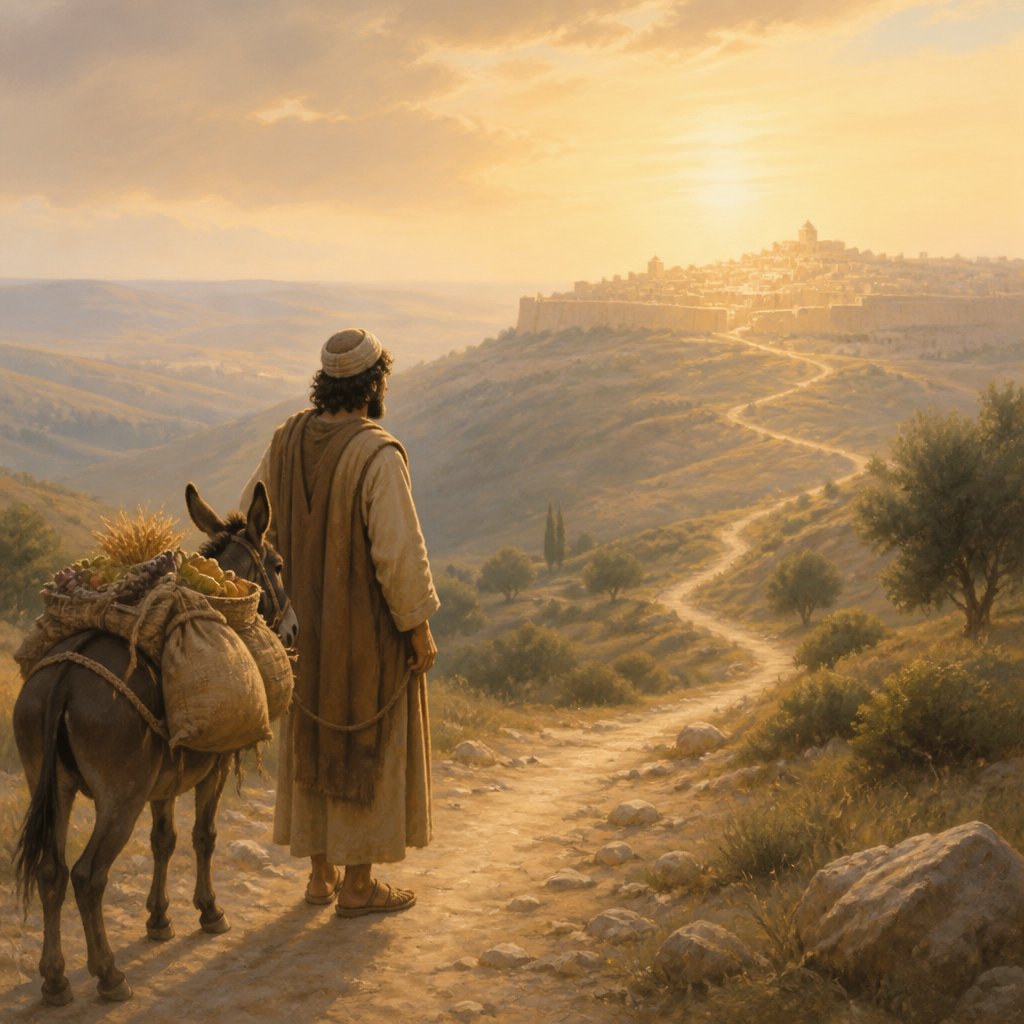
Deuteronomy 14:24 (KJV) states, "And if the way be too long for thee, so that thou art not able to carry it; or if the place be too far from thee, which the Lord thy God shall choose to set his name there, when the Lord thy God hath blessed thee."
This verse is part of a larger passage in the book of Deuteronomy, which is essentially a series of speeches given by Moses to the Israelites just before they were to enter the Promised Land. In this specific passage, Moses is instructing the people on the importance of tithing and the various ways in which they can use the tithe to honor and worship God.
The verse begins with a conditional statement: "And if the way be too long for thee, so that thou art not able to carry it." Here, Moses is acknowledging that the journey to the place where God has chosen to set his name may be difficult or burdensome for some individuals. This is an expression of God's understanding and compassion for His people, a recognition that the physical realities of life may sometimes present obstacles to fulfilling religious obligations.
The verse then goes on to offer a solution to this potential problem: "or if the place be too far from thee, which the Lord thy God shall choose to set his name there, when the Lord thy God hath blessed thee." Here, Moses is telling the Israelites that if the journey is too difficult, or if the designated place of worship is too far away, they are to take the tithe and use it to purchase whatever their heart desires - oxen, sheep, wine, strong drink, or whatever their soul lusteth after. Then, they are to eat these things before the Lord and rejoice, along with their households.
This verse is an important reminder that God is not only concerned with the outward observance of rituals and rules, but also with the inner attitudes and motivations of His people. In this passage, God is seen as a gracious and understanding Provider, who desires His people to have joy and gladness as they worship Him.
In a larger context, this verse reflects the themes of obedience, provision, and worship that are central to the book of Deuteronomy. Throughout the book, there is a consistent emphasis on the importance of obeying God's commands and trusting in His provision. In this specific passage, we see that God's blessings are not restricted to a particular place or form of worship. He is present and provides for His people wherever they are, even in the midst of difficult circumstances.
Symbolically, this passage also points to the ultimate provision of God in the person of Jesus Christ. Just as the tithe in the Old Testament was used to honor and worship God, so too did Jesus become the ultimate sacrifice and provision for the sins of the world. Through His death and resurrection, Jesus made it possible for all people, regardless of their circumstances, to come before God and find joy and gladness in His presence.
In conclusion, Deuteronomy 14:24 (KJV) is a powerful reminder of God's compassion, provision, and desire for His people to find joy and gladness in worshiping Him. It teaches us that even when the journey is difficult or the place of worship seems far away, God's blessings and presence are always near. This verse ultimately points us to the ultimate provision of God in Jesus Christ, who makes it possible for all people to find joy and gladness in God's presence.
Get our apps


Artwork for Deuteronomy 14:24
Deuteronomy 14:24 - "And if the way be too long for thee, so that thou art not able to carry it; or if the place be too far from thee, which the LORD thy God shall choose to set his name there, when the LORD thy God hath blessed thee:"
"And if the way be too long for thee, so that thou art not able to carry it; or if the place be too far from thee, which the LORD thy God shall choose to set his name there, when the LORD thy God hath blessed thee:" - Deuteronomy 14:24

Deuteronomy 24:14 - "¶ Thou shalt not oppress an hired servant that is poor and needy, whether he be of thy brethren, or of thy strangers that are in thy land within thy gates:"

Deuteronomy 14:14 - "And every raven after his kind,"

Deuteronomy 24:12 - "And if the man be poor, thou shalt not sleep with his pledge:"

Deuteronomy 4:24 - "For the LORD thy God is a consuming fire, even a jealous God."

Deuteronomy 14:17 - "And the pelican, and the gier eagle, and the cormorant,"

"And every raven after his kind," - Deuteronomy 14:14
"¶ Thou shalt not oppress an hired servant that is poor and needy, whether he be of thy brethren, or of thy strangers that are in thy land within thy gates:" - Deuteronomy 24:14

Deuteronomy 12:24 - "Thou shalt not eat it; thou shalt pour it upon the earth as water."

Deuteronomy 14:16 - "The little owl, and the great owl, and the swan,"

Deuteronomy 1:24 - "And they turned and went up into the mountain, and came unto the valley of Eshcol, and searched it out."

Genesis 24-14

Deuteronomy 14:3 - "¶ Thou shalt not eat any abominable thing."

Deuteronomy 9:24 - "Ye have been rebellious against the LORD from the day that I knew you."

Deuteronomy 27:24 - "Cursed be he that smiteth his neighbour secretly. And all the people shall say, Amen."

Deuteronomy 14:11 - "¶ Of all clean birds ye shall eat."

Deuteronomy 14:20 - "But of all clean fowls ye may eat."

Deuteronomy 14:13 - "And the glede, and the kite, and the vulture after his kind,"
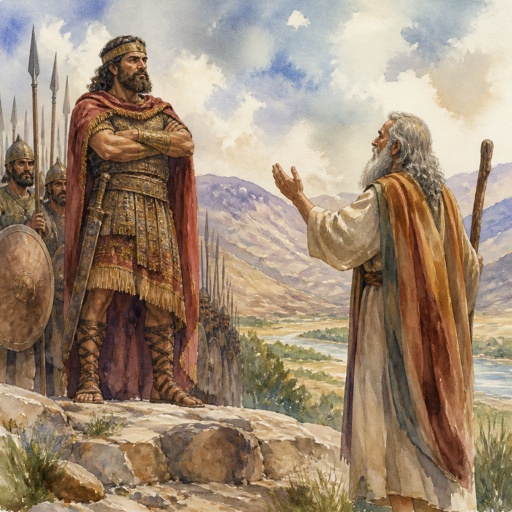
Sihon king of heshbon and Moses in Deuteronomy 2:24-37

Deuteronomy 24:17 - "¶ Thou shalt not pervert the judgment of the stranger, nor of the fatherless; nor take a widow's raiment to pledge:"

Deuteronomy 24:6 - "¶ No man shall take the nether or the upper millstone to pledge: for he taketh a man's life to pledge."

Deuteronomy 24:2 - "And when she is departed out of his house, she may go and be another man's wife."

Deuteronomy 14:18 - "And the stork, and the heron after her kind, and the lapwing, and the bat."

Deuteronomy 14:12 - "But these are they of which ye shall not eat: the eagle, and the ossifrage, and the ospray,"

Deuteronomy 14:15 - "And the owl, and the night hawk, and the cuckow, and the hawk after his kind,"

Deuteronomy 29:14 - "Neither with you only do I make this covenant and this oath;"

Exodus 7:14-24

Deuteronomy 24:14-15 - "You shall not oppress a hired servant who is poor and needy, whether he is one of your countrymen or one of your aliens who is in your land in your towns. You shall give him his wages on his day before the sun sets, for he is poor and sets his heart on it; so that he will not cry against you to the Lord and it becomes sin in you."

Deuteronomy 14:4 - "These are the beasts which ye shall eat: the ox, the sheep, and the goat,"