The Journey of Faith: Transforming Gifts into God’s Purpose
“Then shalt thou turn it into money, and bind up the money in thine hand, and shalt go unto the place which the LORD thy God shall choose:” — Deuteronomy 14:25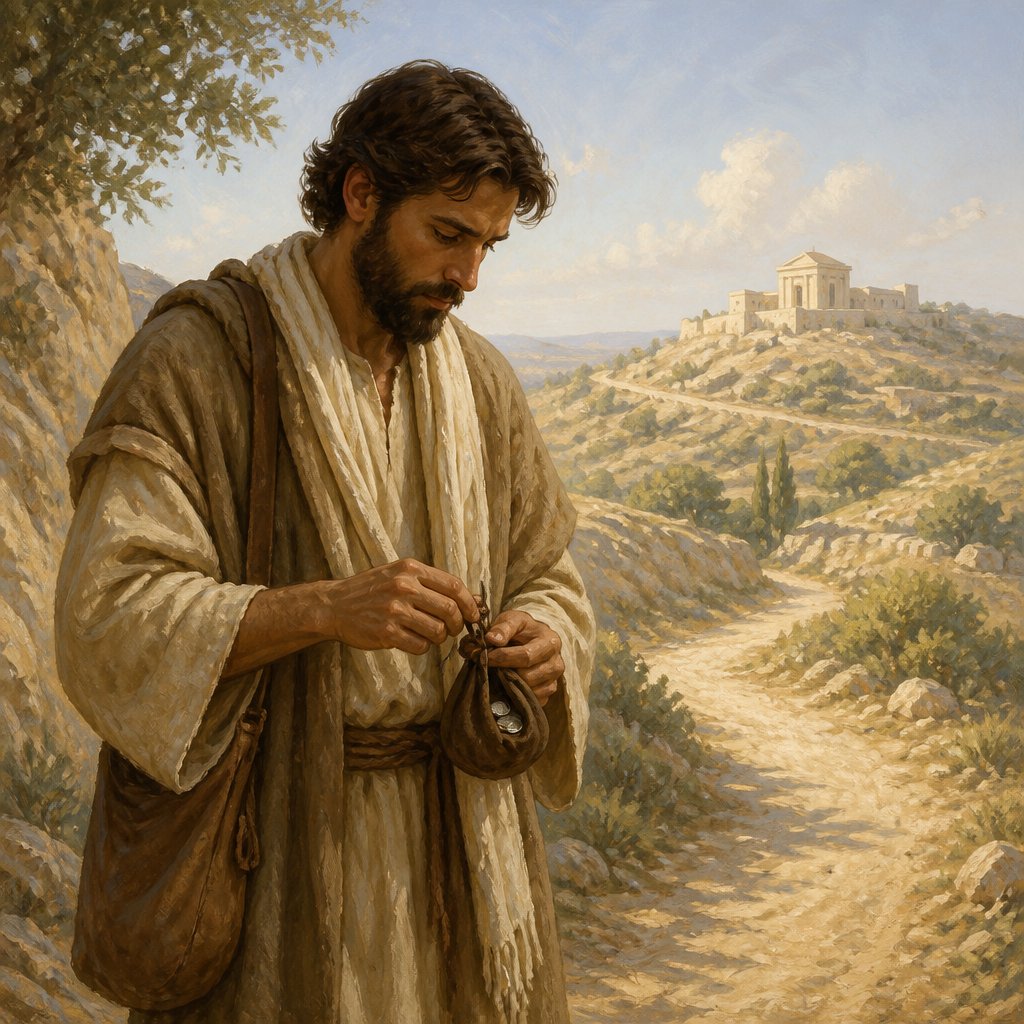
**Scripture Reference:** Deuteronomy 14:25 (KJV) - "Then shalt thou turn it into money, and bind up the money in thine hand, and shalt go unto the place which the LORD thy God shall choose."
**Devotional:**
In the grand narrative of Scripture, the book of Deuteronomy stands as a powerful testament to God’s covenant with His people. It is a reiteration of the Law meant to guide the Israelites as they prepared to enter the Promised Land. Central to their journey was a deeper understanding of not just physical sustenance but also spiritual communion with God. Deuteronomy 14:25 encapsulates an essential instructional moment within this context, offering profound insights into the attitudes of giving, preparation, and obedience that ought to characterize a faithful life.
“Then shalt thou turn it into money.” This phrase immediately invokes an image of transformation. The context is that of the Israelites dedicating their tithes and offerings — a portion of their harvest — to the Lord. However, as they journeyed, the practicality of life led them to convert these gifts into a more portable form, money. In today’s world, the idea of transformation resonates deeply. We, too, are called to take the resources entrusted to us and convert them into something that can serve God's purposes. The resources we possess — our time, talents, and treasures — can be exchanged for acts of service, love, and generosity in our communities and churches. We begin by recognizing what we have and ask ourselves, how can these be transformed into something that furthers God’s Kingdom?
Next, we come to the phrase, “and bind up the money in thine hand.” This is a call to accountability and stewardship. Binding up the money symbolizes not just securing the funds but also signifies intentional preparation and thoughtful management of what we have been entrusted with. In a spiritual sense, this invites us to carefully consider how we handle our resources. Are we using them with the foresight of what the Lord might want us to accomplish? Jesus emphasized similar themes in His parables, like that of the talents, where faithfulness in small things leads to greater responsibilities. Our commitment to ‘bind up’ reminds us to be good stewards of not only financial gifts but also our spiritual lives. It implies an inseparable relationship between faithful management and our walk with God.
Finally, the concluding phrase, “and shalt go unto the place which the LORD thy God shall choose,” is significant for more than just physical direction. It's about purpose, destiny, and guidance. God has a specific place for each one of us — a calling that integrates our transformed resources with His divine plan. It encourages us to seek where God is leading us, thus reinforcing the idea that our journey is not merely about us; it demands dedication towards contributing to God’s great work.
Practically, how can we apply this Scripture today? First, consider fasting from devouring your resources over trivial desires. Instead, place them aside in prayer and contemplation. Ask God to reveal a space in your life where you can sow those offerings of your life — be it serving in local outreach, tithing to your church, or supporting a mission.
Secondly, evaluate how you bind your resources. Are there attitudes of fear or mistrust in how you manage your life’s offerings? Recognizing that God is the provider enables us to release some control and trust Him with the unexpected turns of life. Not every journey is easy, but through faithful stewardship, we find peace and purpose.
Finally, remain attuned to where God is sending you. Are you anchored in His presence enough to hear His voice? When we respond to obedience by acting on what we hear, we step into our destiny, contributing to the unfolding of God's plans on earth. As we engage with this verse, may we experience personal transformation and reaffirm our commitment to journeying with God in every step.
Get our apps


Artwork for Deuteronomy 14:25

Deuteronomy 14:25 - "Then shalt thou turn it into money, and bind up the money in thine hand, and shalt go unto the place which the LORD thy God shall choose:"
"Then shalt thou turn it into money, and bind up the money in thine hand, and shalt go unto the place which the LORD thy God shall choose:" - Deuteronomy 14:25

Deuteronomy 25:14 - "Thou shalt not have in thine house divers measures, a great and a small."
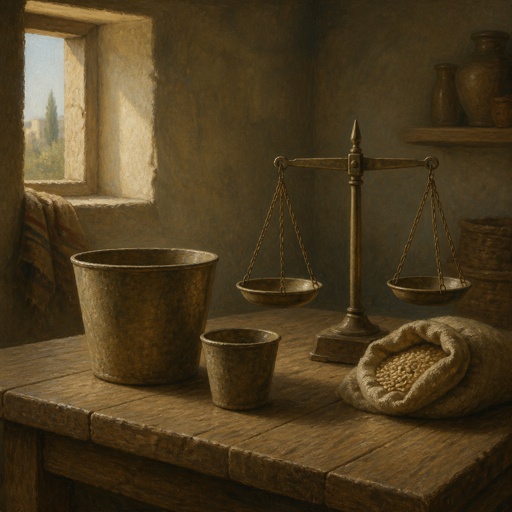
"Thou shalt not have in thine house divers measures, a great and a small." - Deuteronomy 25:14

Deuteronomy 14:14 - "And every raven after his kind,"

Matthew 25: 14-25

Deuteronomy 25:13 - "¶ Thou shalt not have in thy bag divers weights, a great and a small."

Deuteronomy 25:4 - "¶ Thou shalt not muzzle the ox when he treadeth out the corn."

Deuteronomy 31:25 - "That Moses commanded the Levites, which bare the ark of the covenant of the LORD, saying,"

Deuteronomy 14:17 - "And the pelican, and the gier eagle, and the cormorant,"

Isaiah 14:25

Genesis 25-14

"And every raven after his kind," - Deuteronomy 14:14

Deuteronomy 33:25 - "Thy shoes shall be iron and brass; and as thy days, so shall thy strength be."

Deuteronomy 25:10 - "And his name shall be called in Israel, The house of him that hath his shoe loosed."

Deuteronomy 14:16 - "The little owl, and the great owl, and the swan,"

Deuteronomy 25:16 - "For all that do such things, and all that do unrighteously, are an abomination unto the LORD thy God."

Genesis 25:14 - "And Mishma, and Dumah, and Massa,"

Deuteronomy 14:3 - "¶ Thou shalt not eat any abominable thing."

Deuteronomy 27:25 - "Cursed be he that taketh reward to slay an innocent person. And all the people shall say, Amen."

Deuteronomy 14:11 - "¶ Of all clean birds ye shall eat."

Deuteronomy 14:20 - "But of all clean fowls ye may eat."

Deuteronomy 14:13 - "And the glede, and the kite, and the vulture after his kind,"

Luke 14:25 - 33

Deuteronomy 14:18 - "And the stork, and the heron after her kind, and the lapwing, and the bat."

Deuteronomy 14:12 - "But these are they of which ye shall not eat: the eagle, and the ossifrage, and the ospray,"

Deuteronomy 25:17 - "¶ Remember what Amalek did unto thee by the way, when ye were come forth out of Egypt;"

Deuteronomy 14:15 - "And the owl, and the night hawk, and the cuckow, and the hawk after his kind,"

Deuteronomy 29:14 - "Neither with you only do I make this covenant and this oath;"

Deuteronomy 14:4 - "These are the beasts which ye shall eat: the ox, the sheep, and the goat,"