The Fear of the Divine: Understanding Our Desire for Distance
“According to all that thou desiredst of the LORD thy God in Horeb in the day of the assembly, saying, Let me not hear again the voice of the LORD my God, neither let me see this great fire any more, that I die not.” — Deuteronomy 18:16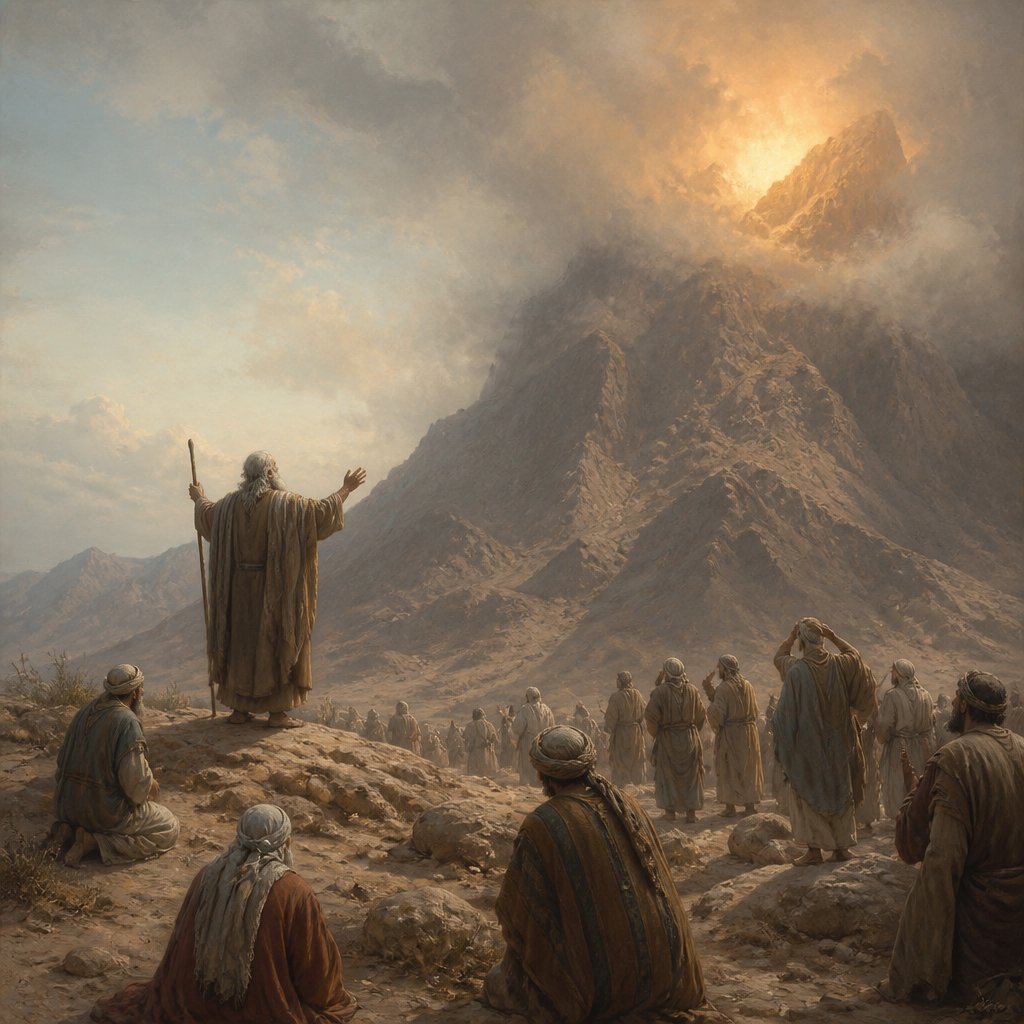
The verse in Deuteronomy 18:16 states: "According to all that thou desiredst of the LORD thy God in Horeb in the day of the assembly, saying, Let me not hear again the voice of the LORD my God, neither let me see this great fire any more, that I die not." This scripture speaks to a profound moment in the history of Israel and their relationship with God. It is a vivid reminder of the fear and reverence that often accompanies divine encounters.
In the backdrop of this verse, we recall the scene at Mount Horeb, where the Israelites witnessed the powerful presence of God. They heard His voice, which was like thunder, and saw the consuming fire on the mountain. This was a pivotal point in their journey of faith, where they stood vulnerably before the Almighty. The overwhelming nature of God's presence was so intense that it instilled fear in their hearts. They pleaded with Moses, asking him to intercede on their behalf, longing to distance themselves from the terrifying aspect of God. They desired to hear from God through a mediator rather than directly experiencing His manifest presence.
This desire to isolate oneself from the overwhelming majesty of God is not unique to the Israelites in the wilderness. It resonates with us today. Often, we too may feel apprehension when it comes to confronting the holy and powerful reality of God. Just like the Israelites, we might find ourselves wanting to keep our distance, fearing the change, conviction, or transformation that could arise from a close encounter with the divine. Yet, interestingly, this very fear is what can drive us towards a deeper understanding and reliance on God’s grace.
It is essential to examine why the Israelites desired to maintain this distance. Fear can stem from a sense of inadequacy. When confronted with the purity and holiness of God, our imperfections and failures come to light. We may react by seeking a way to avoid the uncomfortable truth of our human condition. The Israelites spoke from a place of self-preservation, understandable as they had witnessed the power of God's judgment and holiness. Yet, in doing so, they missed the profound relationship that God sought to have with them—a relationship defined by love, grace, and personal connection.
God knows our human predisposition to fear; He knows that we often shrink back from His presence because it exposes our flaws. However, it is in this very exposure where the foundation of grace exists. The acknowledgment of our weaknesses is the first step towards receiving the strength that only God can provide. God does not wish for us to cower away in fear, but rather to come boldly before Him, recognizing that although He is powerful, He is also merciful and loving. The desire to distance ourselves from God fractures the very relationship He longs to build with us.
In our daily lives, there may be moments when the voice of God speaks into our hearts, prompting us to respond to His call. Instead of retreating in fear, we are invited to embrace His word. Hebrews 4:16 encourages us, saying, "Let us therefore come boldly unto the throne of grace, that we may obtain mercy, and find grace to help in time of need." This verse highlights the availability of God’s grace and the call to approach Him without fear of condemnation.
The challenge for us today is to reflect on our relationship with God. Do we shy away when He speaks, or do we gather the courage to listen? Are we fearful of the transformative work that He is capable of doing in our lives? In recognizing our desire to hide from God, let us ask for His guidance in learning to trust Him more. Let us meditate upon the truth that His love casts out fear.
As you meditate on Deuteronomy 18:16 today, consider how you might be seeking to distance yourself from God. Reflect on the areas of your life where His voice may be calling you closer, urging you to embrace a deeper relationship with Him. Remember that the God who spoke to the Israelites at Horeb is the same God who desires to speak to you today. Embrace His presence, trust in His character, and allow Him to transform your fear into faith.
Get our apps


Artwork for Deuteronomy 18:16

Deuteronomy 18:16 - "According to all that thou desiredst of the LORD thy God in Horeb in the day of the assembly, saying, Let me not hear again the voice of the LORD my God, neither let me see this great fire any more, that I die not."
"According to all that thou desiredst of the LORD thy God in Horeb in the day of the assembly, saying, Let me not hear again the voice of the LORD my God, neither let me see this great fire any more, that I die not." - Deuteronomy 18:16

Deuteronomy 16:18 - "¶ Judges and officers shalt thou make thee in all thy gates, which the LORD thy God giveth thee, throughout thy tribes: and they shall judge the people with just judgment."

Deuteronomy 20:16

Deuteronomy 20:16

Deuteronomy 20:16

Deuteronomy 5:18 - "Neither shalt thou commit adultery."

Deuteronomy 14:16 - "The little owl, and the great owl, and the swan,"

Deuteronomy 18:11 - "Or a charmer, or a consulter with familiar spirits, or a wizard, or a necromancer."

Deuteronomy 18:13 - "Thou shalt be perfect with the LORD thy God."

Deuteronomy 22:18 - "And the elders of that city shall take that man and chastise him;"

Deuteronomy 14:18 - "And the stork, and the heron after her kind, and the lapwing, and the bat."

Deuteronomy 10:16 - "Circumcise therefore the foreskin of your heart, and be no more stiffnecked."

Deuteronomy 28:16 - "Cursed shalt thou be in the city, and cursed shalt thou be in the field."

Deuteronomy 2:18 - "Thou art to pass over through Ar, the coast of Moab, this day:"

Numbers 16:18

Genesis 18-16

Deuteronomy 18:17 - "And the LORD said unto me, They have well spoken that which they have spoken."

Deuteronomy 1:18 - "And I commanded you at that time all the things which ye should do."

Deuteronomy 32:16 - "They provoked him to jealousy with strange gods, with abominations provoked they him to anger."

Deuteronomy 18:8 - "They shall have like portions to eat, beside that which cometh of the sale of his patrimony."

Deuteronomy 32:18 - "Of the Rock that begat thee thou art unmindful, and hast forgotten God that formed thee."

Deuteronomy 4:18 - "The likeness of any thing that creepeth on the ground, the likeness of any fish that is in the waters beneath the earth:"

Deuteronomy 33:18 - "¶ And of Zebulun he said, Rejoice, Zebulun, in thy going out; and, Issachar, in thy tents."
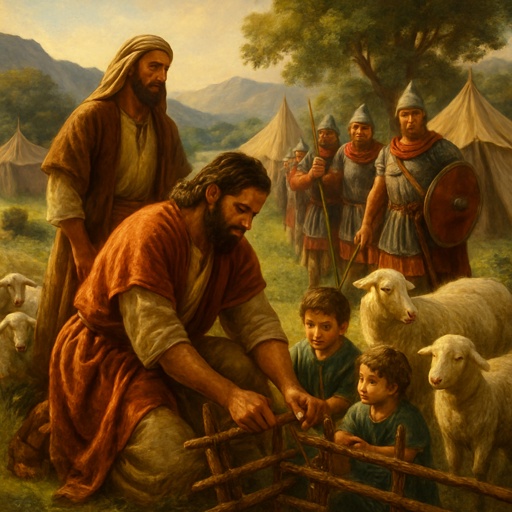
Numbers 32:16-18
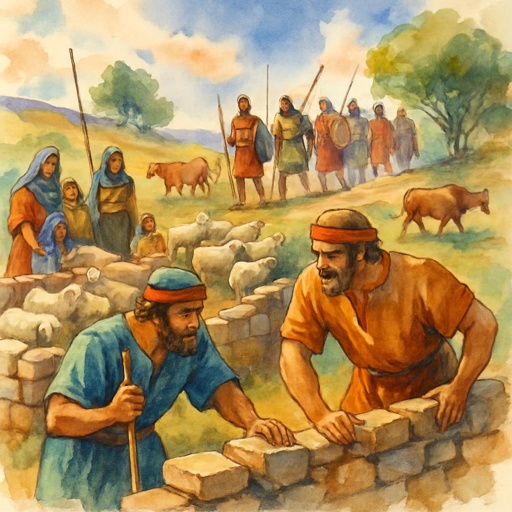
Numbers 32:16-18

Psalm 10:16-18

Deuteronomy 10:18 - "He doth execute the judgment of the fatherless and widow, and loveth the stranger, in giving him food and raiment."

Deuteronomy 27:18 - "Cursed be he that maketh the blind to wander out of the way. And all the people shall say, Amen."

Deuteronomy 6:16 - "¶ Ye shall not tempt the LORD your God, as ye tempted him in Massah."