The Sacred Exchange: Understanding Our Devotion to God and His Servants
“And this shall be the priest’s due from the people, from them that offer a sacrifice, whether it be ox or sheep; and they shall give unto the priest the shoulder, and the two cheeks, and the maw.” — Deuteronomy 18:3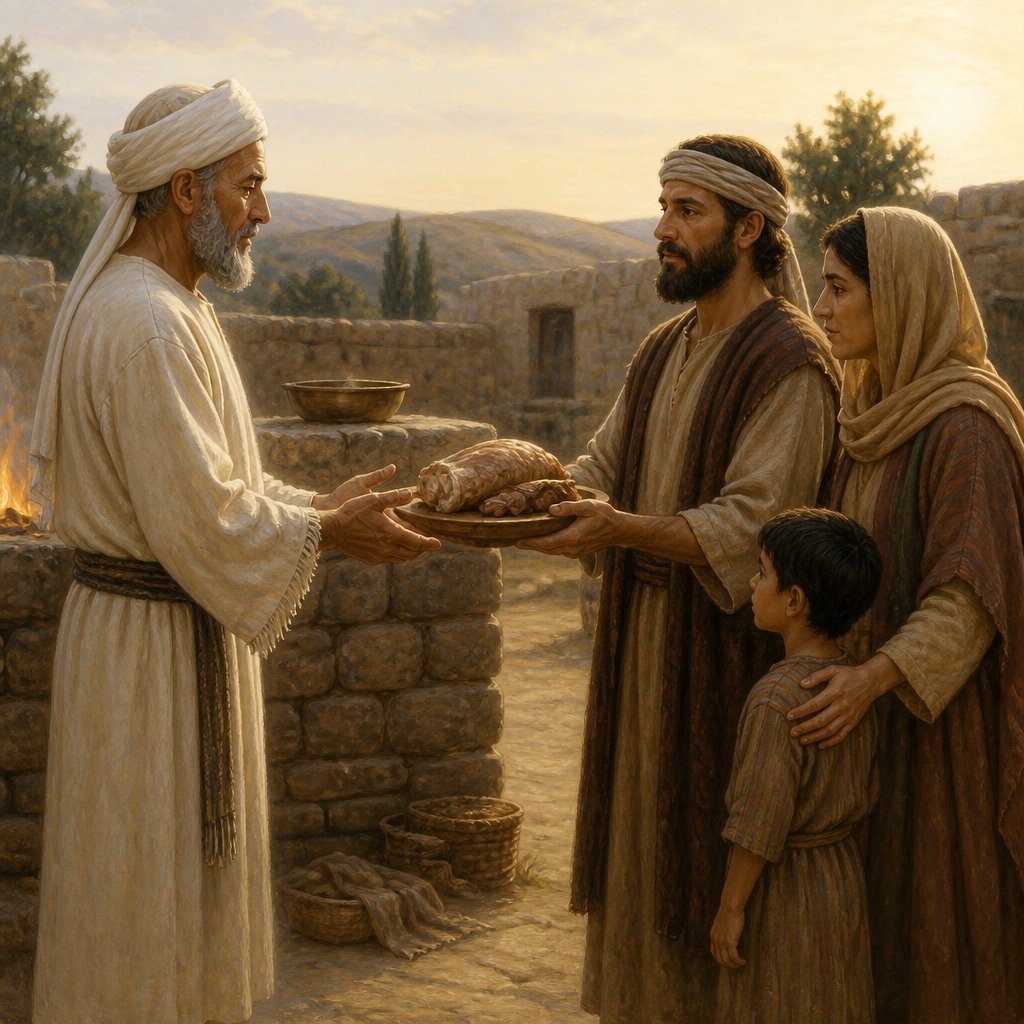
When we explore Deuteronomy 18:3—"And this shall be the priest's due from the people, from them that offer a sacrifice, whether it be ox or sheep; and they shall give unto the priest the shoulder, and the two cheeks, and the maw"—we find ourselves at the intersection of worship, holiness, and community. This verse speaks to the deep-rooted principles of offering, the roles of spiritual leaders, and the reverence due to God in all we do.
In the ancient Israelite culture, the priest held a unique position as the mediator between God and the people. They were responsible for conducting sacrifices, ensuring the laws of God were upheld, and guiding the spiritual journeys of the community. The roles of priest and congregation were interwoven; they relied upon each other to maintain the health of their faith. As modern-day believers, it is important that we glean wisdom from this ancient practice, recognizing that the act of giving is both spiritual and communal.
The offerings specified in Deuteronomy 18:3—"the shoulder, and the two cheeks, and the maw"—were not random selections from the sacrificial animal. Each part symbolized sustenance, nourishment, and connection. The shoulder, being a strong muscle, represents strength, often signifying the burden that the priest would carry on behalf of the people. By offering this part, the people acknowledged that the priest bore spiritual burdens, interceding for them before God. In our time, we must consider how we support our spiritual leaders and recognize the weight they carry in ministering to our needs.
Furthermore, the "two cheeks" can be understood not only as physical offerings but as representations of praise and worship. Cheeks are often associated with expressions of joy and gratitude. They remind us that our worship is to be joyful and filled with genuine appreciation towards God, as well as respect for those He has appointed to shepherd us. This section of the offering teaches us to not only bring our physical sacrifices but also the sacrifices of our hearts, praising God through our words and actions, allowing our lives to reflect joy in our worship.
Finally, the reference to the "maw" points to the inner parts, the visceral elements of the offering that connect to the very essence of the animal—its life. This significant detail reminds us that our devotion must be heartfelt and deep. When we offer to God or support our church leaders, we must do so with sincerity and an understanding that our offerings are to be pure in heart, reflecting our desire to live in alignment with God’s will.
Practically, how do we apply this verse to our modern lives? Firstly, we can commit to supporting our pastors, teachers, and leaders both financially and through acts of service. Consider how you can offer your encouragement, prayers, and help in their ministry work. A simple note of appreciation or lending a hand during church activities can create a ripple effect of mutual support and community strengthening.
Moreover, we should reflect on our worship practices. Are they filled with joy and sincerity? Are we bringing our offerings, whether material or spiritual, with a heart that genuinely desires to connect with God? Like the sacrifices of old, our offerings today should embody our gratitude and recognition of God’s sovereignty in our lives.
In conclusion, Deuteronomy 18:3 encompasses profound lessons on the sacred exchanges between God, His servants, and His people. As we engage in these practices, let us remember they are not merely obligations but opportunities to deepen our relationship with God and build stronger communal ties within our faith communities. May we approach our offerings—of praise, service, and support to our leaders—with hearts eager to honor God and uplift those called to lead us.
Get our apps


Artwork for Deuteronomy 18:3

Deuteronomy 18:3 - "¶ And this shall be the priest's due from the people, from them that offer a sacrifice, whether it be ox or sheep; and they shall give unto the priest the shoulder, and the two cheeks, and the maw."

"¶ And this shall be the priest's due from the people, from them that offer a sacrifice, whether it be ox or sheep; and they shall give unto the priest the shoulder, and the two cheeks, and the maw." - Deuteronomy 18:3

Deuteronomy 3:18 - "¶ And I commanded you at that time, saying, The LORD your God hath given you this land to possess it: ye shall pass over armed before your brethren the children of Israel, all that are meet for the war."

Deuteronomy 5:18 - "Neither shalt thou commit adultery."

Deuteronomy 18:11 - "Or a charmer, or a consulter with familiar spirits, or a wizard, or a necromancer."

Deuteronomy 18:13 - "Thou shalt be perfect with the LORD thy God."

Deuteronomy 22:18 - "And the elders of that city shall take that man and chastise him;"

Deuteronomy 14:18 - "And the stork, and the heron after her kind, and the lapwing, and the bat."

Deuteronomy 2:18 - "Thou art to pass over through Ar, the coast of Moab, this day:"

Deuteronomy 18:17 - "And the LORD said unto me, They have well spoken that which they have spoken."

Deuteronomy 1:18 - "And I commanded you at that time all the things which ye should do."

Deuteronomy 18:8 - "They shall have like portions to eat, beside that which cometh of the sale of his patrimony."

Deuteronomy 3:15 - "And I gave Gilead unto Machir."

Deuteronomy 32:18 - "Of the Rock that begat thee thou art unmindful, and hast forgotten God that formed thee."

Deuteronomy 4:18 - "The likeness of any thing that creepeth on the ground, the likeness of any fish that is in the waters beneath the earth:"

Deuteronomy 33:18 - "¶ And of Zebulun he said, Rejoice, Zebulun, in thy going out; and, Issachar, in thy tents."

Deuteronomy 3:23 - "And I besought the LORD at that time, saying,"
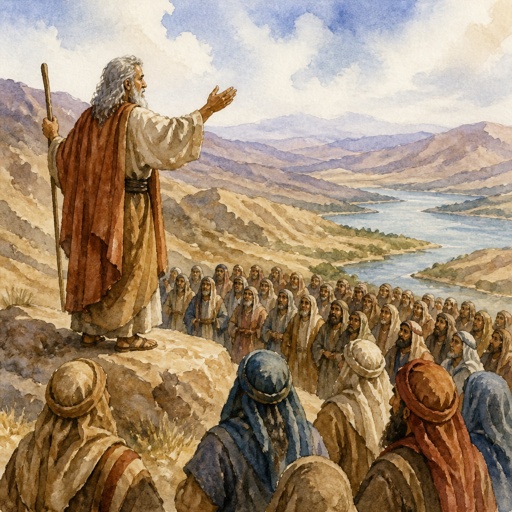
Moses addressing the people in Deuteronomy 3

Deuteronomy 10:18 - "He doth execute the judgment of the fatherless and widow, and loveth the stranger, in giving him food and raiment."

Deuteronomy 27:18 - "Cursed be he that maketh the blind to wander out of the way. And all the people shall say, Amen."

"Neither shalt thou commit adultery." - Deuteronomy 5:18

Deuteronomy 14:3 - "¶ Thou shalt not eat any abominable thing."

Deuteronomy 18:21 - "And if thou say in thine heart, How shall we know the word which the LORD hath not spoken?"

Create picture of a Jewish man wearing items in Deuteronomy 11:18

Deuteronomy 18:2 - "Therefore shall they have no inheritance among their brethren: the LORD is their inheritance, as he hath said unto them."

Deuteronomy 28:18 - "Cursed shall be the fruit of thy body, and the fruit of thy land, the increase of thy kine, and the flocks of thy sheep."
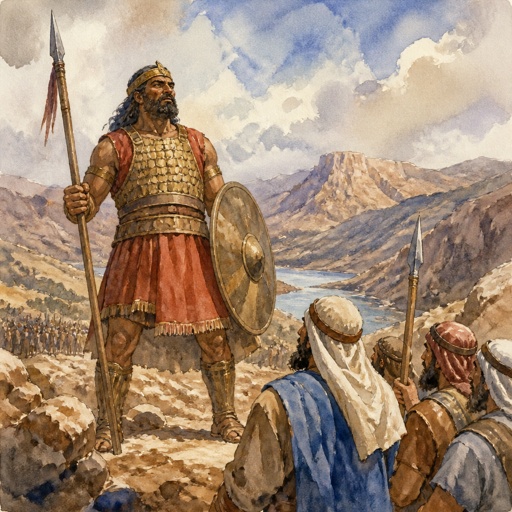
King Og Deuteronomy 3:1-11

"Or a charmer, or a consulter with familiar spirits, or a wizard, or a necromancer." - Deuteronomy 18:11

"Thou shalt be perfect with the LORD thy God." - Deuteronomy 18:13

Deuteronomy 18:18 - "I will raise them up a Prophet from among their brethren, like unto thee, and will put my words in his mouth; and he shall speak unto them all that I shall command him."