The Voice of the People: Listening and Responding to God's Call
“And the LORD said unto me, They have well spoken that which they have spoken.” — Deuteronomy 18:17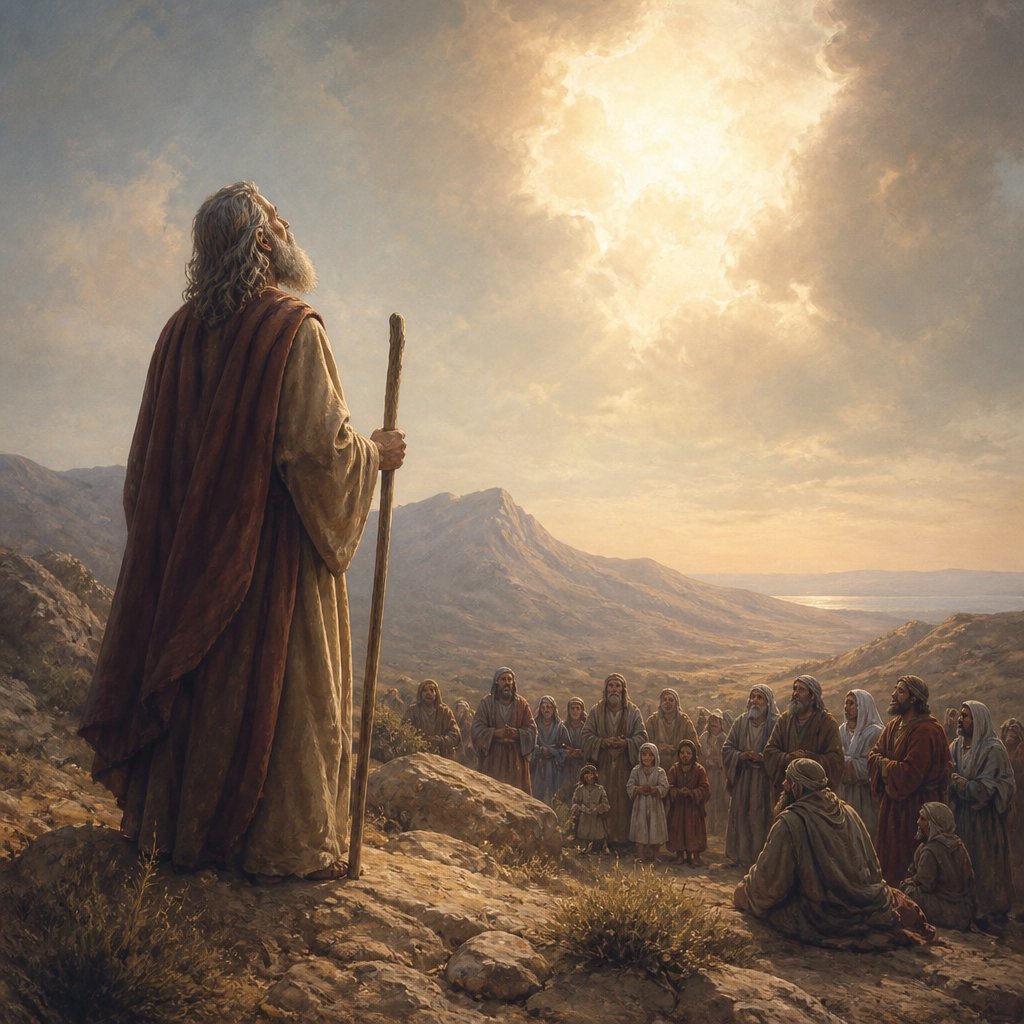
As we navigate through the pages of scripture, Deuteronomy 18:17 offers profound insight into the dialogue between the Divine and His people. The verse reads, "And the LORD said unto me, They have well spoken that which they have spoken" (KJV). In this declaration to Moses, God acknowledges the heartfelt cries of the Israelites, revealing two interwoven themes: the importance of human expression before God and the response of divine providence.
To fully appreciate this passage, we must comprehend the context surrounding it. The Israelites, weary from wandering, are longing for reassurance and guidance from God. They have expressed a desire for a prophet to mediate between them and the Almighty, falling back on the weight of their collective fear that direct interaction with God is too overwhelming (See Deut. 18:16). They recognize their limitations, and in their vulnerability, they seek an intermediary—this is a moment of honesty that God acknowledges.
Herein lies a critical understanding: God values our words, our honesty, and our wellbeing. When the Israelites expressed their concerns, fears, and desires, God did not reproach them for their doubts; instead, He responded to them with affirmation. He recognized the validity of their fears. Their cry for a prophet was a genuine plea for connection, a yearning to understand His will and His ways without being consumed by His glorious presence.
When God says, "They have well spoken that which they have spoken," it encourages us to reflect on our genuine expressions before Him. How often do we hold back our concerns, reservations, or even our grand dreams for fear of being perceived as unfaithful or doubting? This passage invites us to come before God just as we are. It uplifts the sincerity of our prayers, reminding us that God listens not only to the hearts that sing praises but also to the hearts that wrestle, question, and seek clarity.
As we consider God’s response to the Israelites, we see a pattern of divine communication that transcends time. Just as He provided the people with prophetic guidance, He continues to speak to us today. God raises voices among His children to lead, instruct, and comfort us in our spiritual journey. In this era, we often receive guidance through scripture, wise counsel, and the inner workings of the Holy Spirit. Yet, we must position ourselves to listen actively; consciously seeking that guidance is essential. We are called to engage in conversation with God—not just with words but also with hearts open to His direction.
Moreover, we must note that God's acknowledgment of the people's words led to His provision of leadership—bringing forth prophets to guide them. This serves as a powerful reminder for us: our spoken words, coupled with a willingness to respond to God's call, can lead to profound transformation, not just for ourselves but for those around us. Our communities crave the truth and sincerity of voices that can lead them toward God's light.
Finally, as we explore the implications of this passage in our lives, we should consider how we can respond to God's acknowledgement of our concerns. Are we, as believers, ready to provide prophetic voices to those around us? Are we prepared to listen and validate the cries of others, promoting a culture of openness and dialogue? Each of us can serve as an intermediary, articulating the love and truth of Christ in our relationships, workplaces, and communities. In doing so, we participate in God’s redemptive plan.
In conclusion, let us cherish our voices and the power they hold before our God. Let us come honestly to Him, expressing our true selves with the assurance that He hears us. May we, inspired by the Israelites' pleadings, become instruments of His peace, guiding others as we walk in faith, ever reliant on His prompting and grace. So when we pray, let us remember: God listens, acknowledges, and is ready to speak back in love.
Get our apps


Artwork for Deuteronomy 18:17

Deuteronomy 18:17 - "And the LORD said unto me, They have well spoken that which they have spoken."
"And the LORD said unto me, They have well spoken that which they have spoken." - Deuteronomy 18:17

Deuteronomy 17:18 - "And it shall be, when he sitteth upon the throne of his kingdom, that he shall write him a copy of this law in a book out of that which is before the priests the Levites:"

Deuteronomy 24:17-18 - "Do not deprive the foreigner or the fatherless of justice, or take the cloak of the widow as a pledge. Remember that you were slaves in Egypt and the Lord your God redeemed you from there. That is why I command you to do this."

Deuteronomy 5:17 - "Thou shalt not kill."

Matthew 17:17-18

Deuteronomy 14:17 - "And the pelican, and the gier eagle, and the cormorant,"

Matthew 17:17-18

Deuteronomy 2:17 - "That the LORD spake unto me, saying,"

Deuteronomy 5:18 - "Neither shalt thou commit adultery."

Deuteronomy 28:17 - "Cursed shall be thy basket and thy store."

Deuteronomy 18:11 - "Or a charmer, or a consulter with familiar spirits, or a wizard, or a necromancer."

Deuteronomy 18:13 - "Thou shalt be perfect with the LORD thy God."

John 7:17-18

John 7:17-18

John 7:17-18

John 7:17-18

Deuteronomy 22:18 - "And the elders of that city shall take that man and chastise him;"

Deuteronomy 14:18 - "And the stork, and the heron after her kind, and the lapwing, and the bat."

"Thou shalt not kill." - Deuteronomy 5:17

Deuteronomy 23:17 - "¶ There shall be no whore of the daughters of Israel, nor a sodomite of the sons of Israel."

Deuteronomy 17:13 - "And all the people shall hear, and fear, and do no more presumptuously."

Deuteronomy 17:17 - "Neither shall he multiply wives to himself, that his heart turn not away: neither shall he greatly multiply to himself silver and gold."

Genesis 18-17

Genesis 17-18

Deuteronomy 2:18 - "Thou art to pass over through Ar, the coast of Moab, this day:"
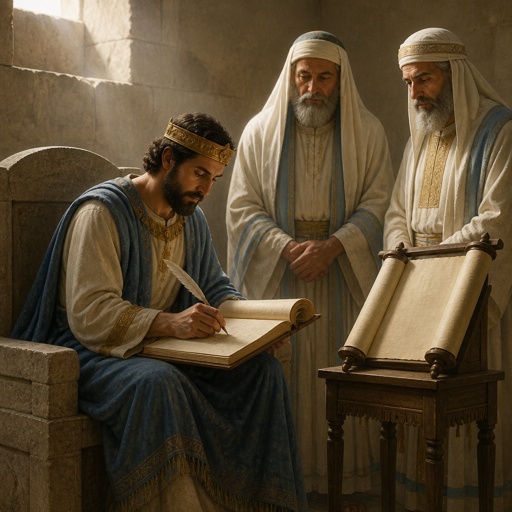
"And it shall be, when he sitteth upon the throne of his kingdom, that he shall write him a copy of this law in a book out of that which is before the priests the Levites:" - Deuteronomy 17:18

Deuteronomy 4:17 - "The likeness of any beast that is on the earth, the likeness of any winged fowl that flieth in the air,"

"And the pelican, and the gier eagle, and the cormorant," - Deuteronomy 14:17

Deuteronomy 1:18 - "And I commanded you at that time all the things which ye should do."