What does Deuteronomy 18:17 mean?
“And the LORD said unto me, They have well spoken that which they have spoken.” — Deuteronomy 18:17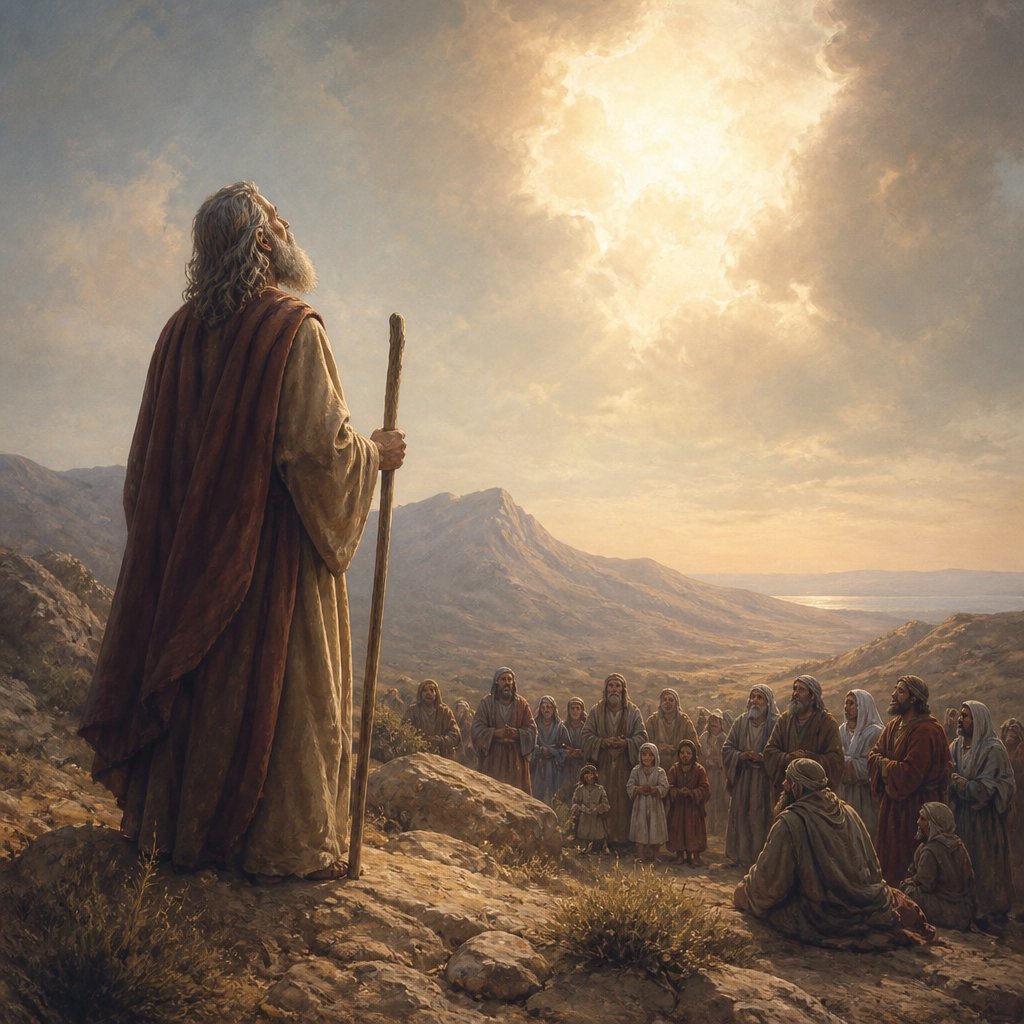
Deuteronomy 18:17 "And the Lord said unto me, They have well spoken that which they have spoken."
This verse is part of the book of Deuteronomy, which is the fifth book of the Bible's Old Testament. It is essentially the retelling of the laws given to the Israelites by God, as well as the history of their journey from Egypt to Canaan. Deuteronomy 18:17 comes at the end of a passage in which Moses is speaking to the Israelites about the importance of not practicing divination, sorcery, or consulting with mediums or spiritists. In this verse, Moses is confirming to the people that they have spoken correctly in their desire to have a mediator between themselves and God.
The context of this verse is crucial in understanding its meaning. The Israelites had just been given the Ten Commandments, which included the command to have no other gods before the one true God. This verse, therefore, is God's way of affirming to the people that they are correct in their desire to have a mediator or prophet who would communicate with God on their behalf. This shows that God desires to have a relationship with His people, and is willing to accommodate their needs.
The theme of this verse is the importance of communication and relationship with God. The Israelites desired someone who could speak to God on their behalf because they feared direct communication with Him. This verse can teach us that while it's important to have reverence and fear for God, we can still have a personal and intimate relationship with Him. It also demonstrates God's willingness to accommodate our needs and desires if they align with His will.
Symbolically, this verse represents the concept of a mediator or intercessor. In the Old Testament, Moses served as an intercessor between God and the Israelites and would often relay messages from God to the people. This foreshadowed the role of Jesus Christ as our ultimate mediator between God and humanity. He is the one who speaks to the Father on our behalf and intercedes for us. Additionally, this verse can also symbolize the importance of community and unity, as the Israelites desired a mediator to bring them closer to God as a collective group.
Overall, Deuteronomy 18:17 is a powerful verse that emphasizes the importance of communication and relationship with God, as well as the role of a mediator or intercessor. It serves as a reminder that God desires to be close to His people and is willing to accommodate their needs. This verse also carries a powerful symbol of Jesus Christ as our ultimate mediator, and underscores the importance of unity and community in our relationship with God.
Get our apps


Artwork for Deuteronomy 18:17

Deuteronomy 18:17 - "And the LORD said unto me, They have well spoken that which they have spoken."
"And the LORD said unto me, They have well spoken that which they have spoken." - Deuteronomy 18:17

Deuteronomy 17:18 - "And it shall be, when he sitteth upon the throne of his kingdom, that he shall write him a copy of this law in a book out of that which is before the priests the Levites:"

Deuteronomy 24:17-18 - "Do not deprive the foreigner or the fatherless of justice, or take the cloak of the widow as a pledge. Remember that you were slaves in Egypt and the Lord your God redeemed you from there. That is why I command you to do this."

Deuteronomy 5:17 - "Thou shalt not kill."

Matthew 17:17-18

Deuteronomy 14:17 - "And the pelican, and the gier eagle, and the cormorant,"

Matthew 17:17-18

Deuteronomy 2:17 - "That the LORD spake unto me, saying,"

Deuteronomy 5:18 - "Neither shalt thou commit adultery."

Deuteronomy 28:17 - "Cursed shall be thy basket and thy store."

Deuteronomy 18:11 - "Or a charmer, or a consulter with familiar spirits, or a wizard, or a necromancer."

Deuteronomy 18:13 - "Thou shalt be perfect with the LORD thy God."

John 7:17-18

John 7:17-18

John 7:17-18

John 7:17-18

Deuteronomy 22:18 - "And the elders of that city shall take that man and chastise him;"

Deuteronomy 14:18 - "And the stork, and the heron after her kind, and the lapwing, and the bat."

"Thou shalt not kill." - Deuteronomy 5:17

Deuteronomy 23:17 - "¶ There shall be no whore of the daughters of Israel, nor a sodomite of the sons of Israel."

Deuteronomy 17:13 - "And all the people shall hear, and fear, and do no more presumptuously."

Deuteronomy 17:17 - "Neither shall he multiply wives to himself, that his heart turn not away: neither shall he greatly multiply to himself silver and gold."

Genesis 18-17

Genesis 17-18

Deuteronomy 2:18 - "Thou art to pass over through Ar, the coast of Moab, this day:"
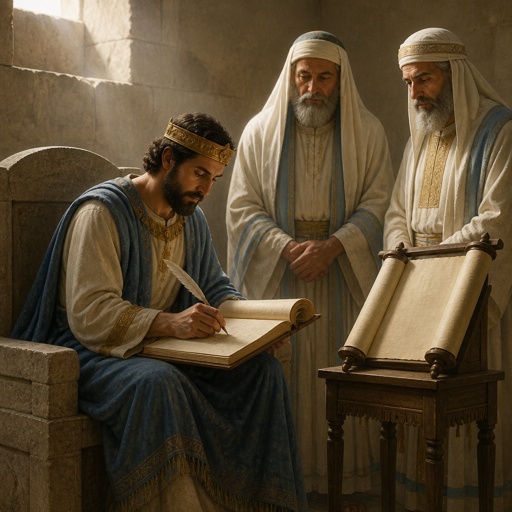
"And it shall be, when he sitteth upon the throne of his kingdom, that he shall write him a copy of this law in a book out of that which is before the priests the Levites:" - Deuteronomy 17:18

Deuteronomy 4:17 - "The likeness of any beast that is on the earth, the likeness of any winged fowl that flieth in the air,"

"And the pelican, and the gier eagle, and the cormorant," - Deuteronomy 14:17

Deuteronomy 1:18 - "And I commanded you at that time all the things which ye should do."