The Fear That Leads to Righteousness
“And those which remain shall hear, and fear, and shall henceforth commit no more any such evil among you.” — Deuteronomy 19:20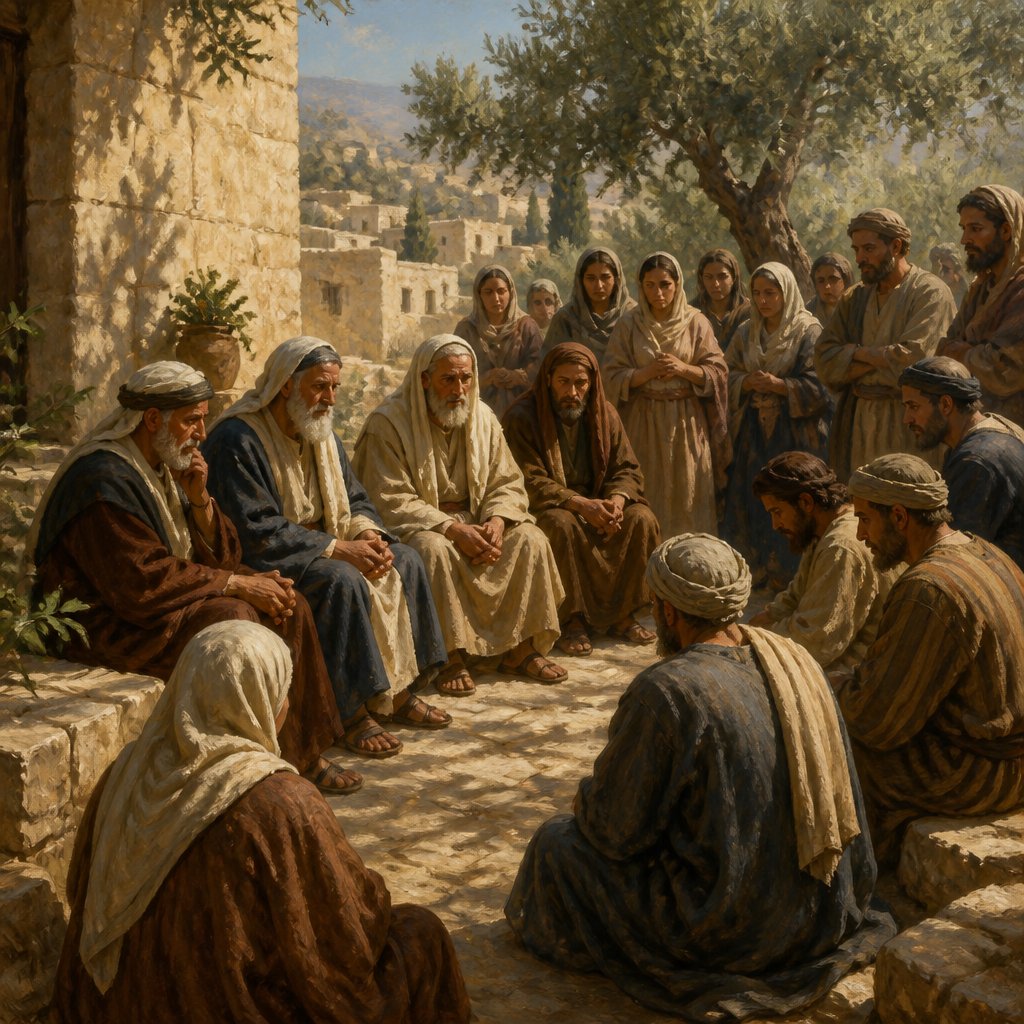
In Deuteronomy 19:20, we read, "And those which remain shall hear, and fear, and shall henceforth commit no more any such evil among you." This verse emerges from a context of justice, moral accountability, and community safety under the law of Moses. It reminds us of the profound power that fear—specifically, the fear of the Lord—holds in shaping our choices and guiding our moral compass.
The setting of Deuteronomy is pivotal. It is a renewal of the covenant between God and His people, emphasizing the importance of righteousness in the community. The surrounding verses talk about the consequences for wrongful acts, particularly bearing false witness and injustice. The intention behind these laws was not just punitive but corrective. The community was meant to witness the consequences of evil behaviors, allowing them to learn and avoid future transgressions.
When it states, "those which remain shall hear, and fear," it implies that those witnessing the repercussions of sin are left not just as bystanders but as active participants who can learn from the events around them. Fear, in this context, should not be confused with cowardice or terror. Instead, it is a profound reverence for God's holiness and justice. To fear God is to acknowledge His sovereignty and the seriousness of sin — to understand that our actions have weight and consequences in our relationship with Him and our community.
In our present day, the application of this verse can often feel distant. We may wonder how fear can lead to righteousness when the world around us seems saturated with moral ambiguity and disregard for ethical living. However, the biblical concept of fear leads us towards a respectful acknowledgment of God’s commands and the desire to align our lives with His will. Fear should foster a sense of responsibility. Knowing what God detests should drive us to evaluate our motivations and actions. When we commit acts that harm others or ourselves, we underestimate the impact of our choices within our community.
"Shall henceforth commit no more any such evil among you" speaks to the transformative power that results from true repentance and fear. The fear that leads to repentance is an essential step in breaking cycles of sin. When we genuinely fear the consequences of our actions — not just in a physical sense but in our spiritual relationship — we are likelier to turn away from those actions. The word "henceforth" is powerful; it suggests a new beginning. The past does not need to dictate our future. With genuine fear leading to repentance, we can put away our previous evils and commit ourselves to righteousness.
Consider how this applies to our community today. In churches and societies, when we see the repercussions of sin — whether through personal fallout or communal distress — do we respond with fear? Not a paralyzing fear but one that drives us towards accountability and restoration. May we remind ourselves and one another of the seriousness of sin, not to dwell in shame, but to cultivate a heart that desires righteousness.
As believers, our calling is not to live in a state of dread but to cultivate a deep reverence for God that shapes our actions, choices, and interactions with those around us. This verse encourages us to create spaces where accountability is nurtured, learning is encouraged, and transformation happens not just for ourselves but for the community at large. Let us harbor a fear of God that leads us toward righteousness and holiness, echoing the sentiments of Deuteronomy as we seek to align ourselves with the heart of God.
Get our apps


Artwork for Deuteronomy 19:20

Deuteronomy 19:20 - "And those which remain shall hear, and fear, and shall henceforth commit no more any such evil among you."
"And those which remain shall hear, and fear, and shall henceforth commit no more any such evil among you." - Deuteronomy 19:20

Deuteronomy 20:16

Deuteronomy 20:16

Deuteronomy 20:16

Deuteronomy 30:19:

Deuteronomy 20:19 - "¶ When thou shalt besiege a city a long time, in making war against it to take it, thou shalt not destroy the trees thereof by forcing an axe against them: for thou mayest eat of them, and thou shalt not cut them down (for the tree of the field is man's life) to employ them in the siege:"

Deuteronomy 5:19 - "Neither shalt thou steal."

Create a picture of Deuteronomy 11:20

Deuteronomy 22:20 - "But if this thing be true, and the tokens of virginity be not found for the damsel:"

Deuteronomy 14:20 - "But of all clean fowls ye may eat."

Genesis 19-20

Genesis 20-19

Deuteronomy 5:20 - "Neither shalt thou bear false witness against thy neighbour."

Deuteronomy 10:19 - "Love ye therefore the stranger: for ye were strangers in the land of Egypt."

Deuteronomy 14:19 - "And every creeping thing that flieth is unclean unto you: they shall not be eaten."

Joshua 19:20 - "And Rabbith, and Kishion, and Abez,"

Deuteronomy 20:12 - "And if it will make no peace with thee, but will make war against thee, then thou shalt besiege it:"

Exodus 27:19-20

Wisdom 8:19-20

Matthew 28:19-20

Matthew 28: 19-20

Matthew 28:19-20

Exodus 19:16-20

Wisdom 8:19-20

Matthew 28:19-20

"Neither shalt thou steal." - Deuteronomy 5:19

Deuteronomy 19:7 - "Wherefore I command thee, saying, Thou shalt separate three cities for thee."

Deuteronomy 6:19 - "To cast out all thine enemies from before thee, as the LORD hath spoken."

Deuteronomy 20:10 - "¶ When thou comest nigh unto a city to fight against it, then proclaim peace unto it."