What does Deuteronomy 19:20 mean?
“And those which remain shall hear, and fear, and shall henceforth commit no more any such evil among you.” — Deuteronomy 19:20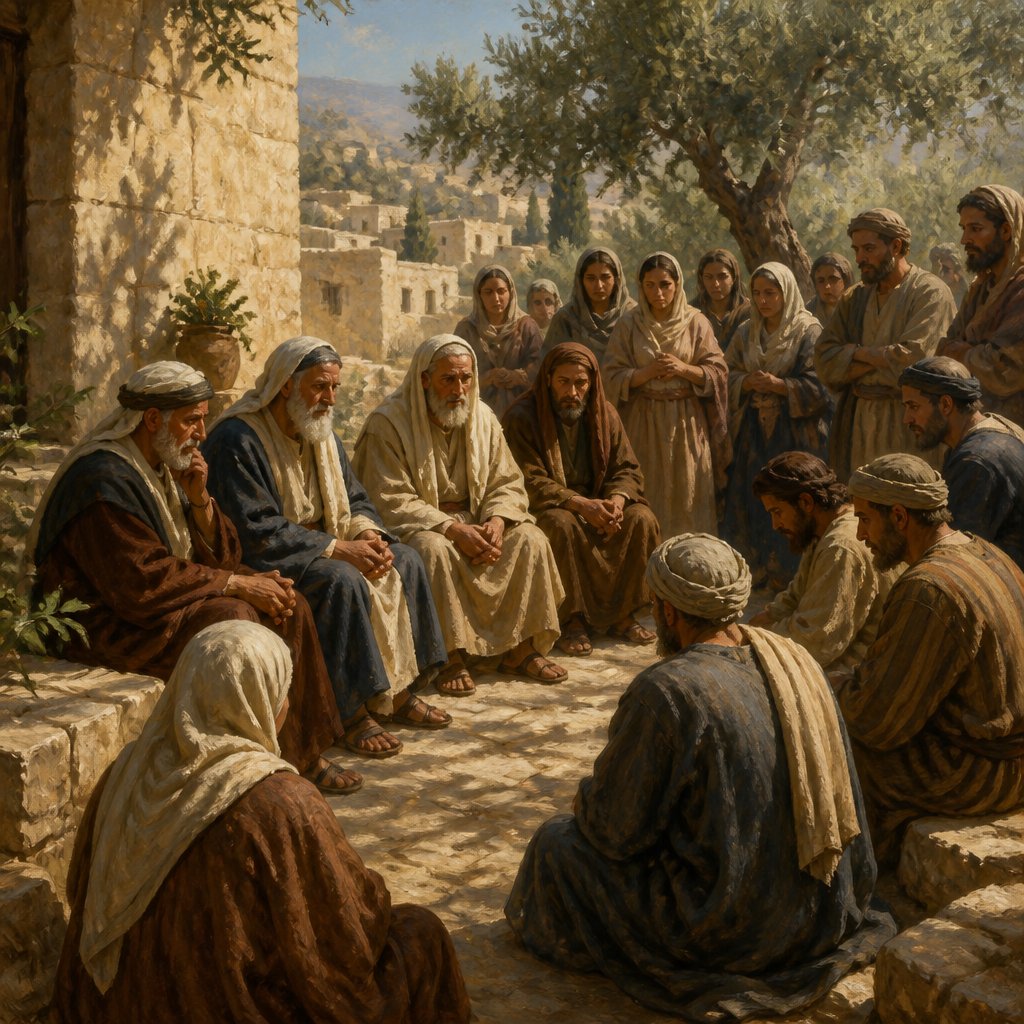
Deuteronomy 19:20 (KJV) states, "And those which remain shall hear, and fear, and shall henceforth commit no more any such evil among you."
This verse is a part of the laws and regulations given to the Israelites by God through Moses in the book of Deuteronomy. In this specific passage, God is instructing the people on the consequences for false witness. The verse serves as a reminder to the people that those who bear false witness and are found to be lying will face severe punishment as a deterrent for others to refrain from committing the same offense.
The larger context of this verse is found in Deuteronomy 19, which outlines the establishment of cities of refuge and the principles of fair justice. This chapter emphasizes the importance of truth and justice, highlighting the severity of bearing false witness and condemning an innocent person to punishment. The cities of refuge provided a safe haven for those who unintentionally committed manslaughter, protecting them from vengeance, and ensuring a fair trial.
The verse has several key themes, the most prominent being justice, truth, and the fear of God. The passage emphasizes the importance of upholding justice and truth in society. It serves as a warning to the Israelites about the consequences of bearing false witness and the necessity for fair and righteous judgment. The fear of God is also central to this verse, as it suggests that the punishment for false witnesses serves as a deterrent, compelling people to act righteously and truthfully in fear of facing God's wrath.
On a symbolic level, this verse represents the broader biblical theme of God's justice and righteousness. The concept of bearing false witness is not only a legal issue but also a moral and spiritual one. The act of lying and falsely accusing others goes against God's nature and His desire for truth and righteousness. The punishment for false witness serves as a reflection of God's unchanging standard of justice and His abhorrence of deception and deceit.
Furthermore, this verse also points to the importance of accountability and responsibility in the community. The consequences for false witnesses are intended to maintain the moral integrity of the society and protect innocent individuals from being wrongfully condemned. This principle is relevant not only in the Old Testament but also in the New Testament, where Jesus emphasizes the importance of honesty and integrity in interpersonal relationships.
As a part of the broader Old Testament law, this verse also foreshadows the coming of Jesus Christ, who would fully embody God's justice, truth, and righteousness. In the New Testament, Jesus reiterates the importance of truthfulness and the accountability of our words, stating in Matthew 12:36-37 (KJV), "But I say unto you, That every idle word that men shall speak, they shall give account thereof in the day of judgment. For by thy words thou shalt be justified, and by thy words thou shalt be condemned."
In conclusion, Deuteronomy 19:20 (KJV) provides a profound insight into the concept of justice, truth, and the fear of God. It serves as a reminder of the timeless principles of integrity, accountability, and righteousness that are essential for a just and harmonious society. This verse highlights the importance of upholding truth and justice and the severe consequences of bearing false witness. It also points to the overarching theme of God's unwavering standard of justice and the anticipation of Jesus Christ as the embodiment of truth and righteousness.
Get our apps


Artwork for Deuteronomy 19:20

Deuteronomy 19:20 - "And those which remain shall hear, and fear, and shall henceforth commit no more any such evil among you."
"And those which remain shall hear, and fear, and shall henceforth commit no more any such evil among you." - Deuteronomy 19:20

Deuteronomy 20:16

Deuteronomy 20:16

Deuteronomy 20:16

Deuteronomy 30:19:

Deuteronomy 20:19 - "¶ When thou shalt besiege a city a long time, in making war against it to take it, thou shalt not destroy the trees thereof by forcing an axe against them: for thou mayest eat of them, and thou shalt not cut them down (for the tree of the field is man's life) to employ them in the siege:"

Deuteronomy 5:19 - "Neither shalt thou steal."

Create a picture of Deuteronomy 11:20

Deuteronomy 22:20 - "But if this thing be true, and the tokens of virginity be not found for the damsel:"

Deuteronomy 14:20 - "But of all clean fowls ye may eat."

Genesis 19-20

Genesis 20-19

Deuteronomy 5:20 - "Neither shalt thou bear false witness against thy neighbour."

Deuteronomy 10:19 - "Love ye therefore the stranger: for ye were strangers in the land of Egypt."

Deuteronomy 14:19 - "And every creeping thing that flieth is unclean unto you: they shall not be eaten."

Joshua 19:20 - "And Rabbith, and Kishion, and Abez,"

Deuteronomy 20:12 - "And if it will make no peace with thee, but will make war against thee, then thou shalt besiege it:"

Exodus 27:19-20

Wisdom 8:19-20

Matthew 28:19-20

Matthew 28: 19-20

Matthew 28:19-20

Exodus 19:16-20

Wisdom 8:19-20

Matthew 28:19-20

"Neither shalt thou steal." - Deuteronomy 5:19

Deuteronomy 19:7 - "Wherefore I command thee, saying, Thou shalt separate three cities for thee."

Deuteronomy 6:19 - "To cast out all thine enemies from before thee, as the LORD hath spoken."

Deuteronomy 20:10 - "¶ When thou comest nigh unto a city to fight against it, then proclaim peace unto it."