Crossing the Brook: A Lesson in Obedience and Transition
“Now rise up, said I, and get you over the brook Zered. And we went over the brook Zered.” — Deuteronomy 2:13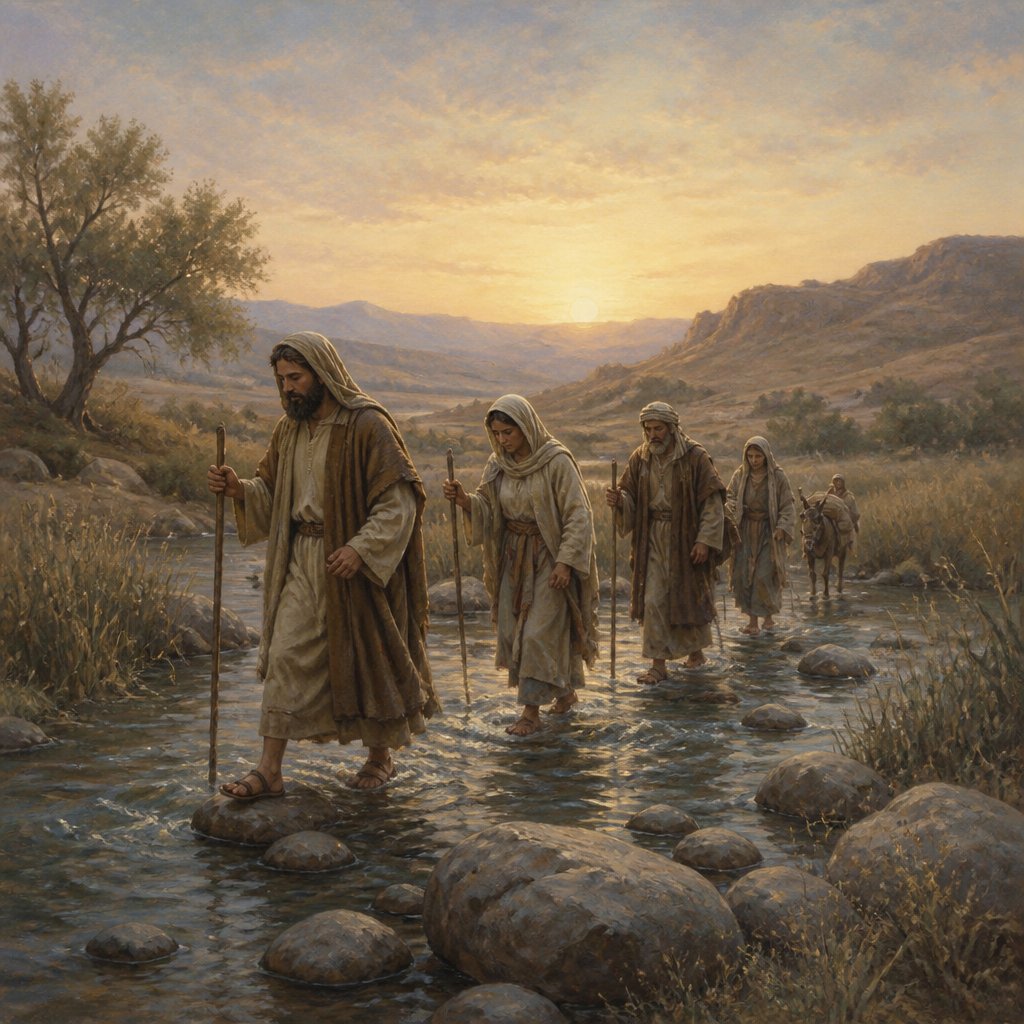
The verse from Deuteronomy 2:13, "Now rise up, said I, and get you over the brook Zered. And we went over the brook Zered," is a small sentence with monumental implications. In this passage, God speaks to His people, urging them to rise and move forward. This call to action encapsulates key themes of obedience, transition, and divine guidance, vital for our spiritual journey even today.
### The Context of the Crossing
To fully appreciate the significance of this moment, we must contextualize it within the broader narrative of the Israelites' wanderings. After their deliverance from slavery in Egypt, the Israelites journeyed through the wilderness, navigating through various trials and tribulations. This particular moment comes after a period of wandering, highlighting a significant turning point. They were close to entering the land promised to them by God. The brook Zered marks not only a geographical boundary but also a spiritual one, a threshold between a prolonged period of wandering and the arrival at a promised inheritance.
### The Call to Rise
The phrase "Now rise up" is striking in its immediacy. God calls the Israelites to action; He does not suggest they rise up but commands it. In our own lives, God often calls us to move from complacency or stagnation into new seasons. This call to rise is not merely about physical movement but also about spiritual and emotional readiness. It challenges us to confront our fears and hesitations. Are we ready to rise up in faith when God asks us to leave our comfort zones?
The act of rising indicates a mindset shift. The Israelites had been in a cycle of waiting and uncertainty. Each time they faced adversity, they would often look back to Egypt, forgetting the promises of God. This is reminiscent of many of us who cling to the past instead of embracing the new things God has for us. When God commands us to rise, it's an invitation for us to shake off past chains and look forward with expectation.
### The Journey Over the Brook Zered
Next, we observe the action of crossing the brook. This seemingly simple act symbolizes obedience and faith. The Israelites did not wrestle with the command; they didn’t hesitate. The verse states, "And we went over the brook Zered." There is profound beauty in the simplicity of their response. It teaches us about the importance of obedience in our relationship with God. When He calls us to move, how do we respond?
God’s directive can often seem daunting. The brook represents challenges, obstacles, or fears we must confront. Crossing it demands trust—trust that God will guide and provide as we step forward in faith. Obedience, therefore, isn't merely about the action; it's deeply intertwined with trust in God's character. When we face our personal brooks Zered, we must remember that every step of faith is a testimony of trust in our loving God.
### Entering into the Promised Land
The journey over the brook Zered symbolizes transition—moving from the wilderness of uncertainty towards the fruitful promises God has prepared for us. After years of wandering and trials, the Israelites were about to enter a land flowing with milk and honey. Each believer holds similar promises; God has an intended destination for every storm faced and every mountain climbed. Our individual roads may vary, but the process of obedience will ultimately lead us to fulfillment.
As we reflect on Deuteronomy 2:13, we are reminded of the importance of rising and crossing when God calls us. May we echo the simple response of the Israelites: to rise up and go forward in faith without hesitation. Let this be our commitment, to continually seek and trust God's guidance, stepping confidently into the future He has prepared for us.
In conclusion, the act of rising up and crossing the brook Zered symbolizes our journey of faith: leaving behind what no longer serves us and moving forward into God’s promises. May we embrace this call each day, ready to respond in obedience and faith.
Get our apps


Artwork for Deuteronomy 2:13

Deuteronomy 2:13 - "Now rise up, said I, and get you over the brook Zered. And we went over the brook Zered."
"Now rise up, said I, and get you over the brook Zered. And we went over the brook Zered." - Deuteronomy 2:13
Deuteronomy 13:2 - "And the sign or the wonder come to pass, whereof he spake unto thee, saying, Let us go after other gods, which thou hast not known, and let us serve them;"

Deuteronomy 14:13 - "And the glede, and the kite, and the vulture after his kind,"

Deuteronomy 18:13 - "Thou shalt be perfect with the LORD thy God."

Deuteronomy 17:13 - "And all the people shall hear, and fear, and do no more presumptuously."

Deuteronomy 25:13 - "¶ Thou shalt not have in thy bag divers weights, a great and a small."

Deuteronomy 5:13 - "Six days thou shalt labour, and do all thy work:"

Deuteronomy 22:13 - "¶ If any man take a wife, and go in unto her, and hate her,"

Deuteronomy 13:1 - "If there arise among you a prophet, or a dreamer of dreams, and giveth thee a sign or a wonder,"

Deuteronomy 2:2 - "And the LORD spake unto me, saying,"

Deuteronomy 6:13 - "Thou shalt fear the LORD thy God, and serve him, and shalt swear by his name."

Deuteronomy 13:11 - "And all Israel shall hear, and fear, and shall do no more any such wickedness as this is among you."

Deuteronomy 27:13 - "And these shall stand upon mount Ebal to curse; Reuben, Gad, and Asher, and Zebulun, Dan, and Naphtali."

Deuteronomy 12:13 - "Take heed to thyself that thou offer not thy burnt offerings in every place that thou seest:"

Deuteronomy 10:13 - "To keep the commandments of the LORD, and his statutes, which I command thee this day for thy good?"

Deuteronomy 13:13 - "Certain men, the children of Belial, are gone out from among you, and have withdrawn the inhabitants of their city, saying, Let us go and serve other gods, which ye have not known;"
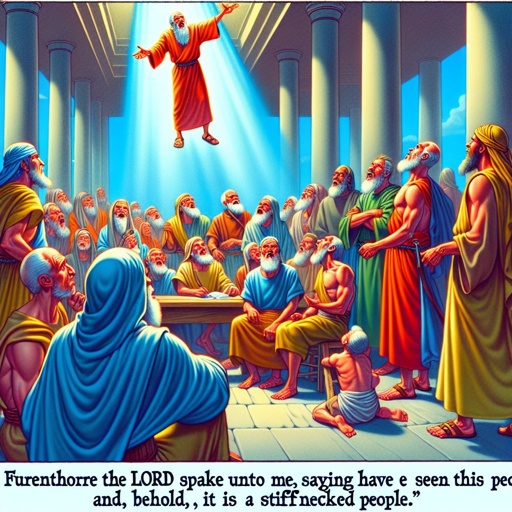
Deuteronomy 9:13 - "Furthermore the LORD spake unto me, saying, I have seen this people, and, behold, it is a stiffnecked people:"

Deuteronomy 33:13 - "¶ And of Joseph he said, Blessed of the LORD be his land, for the precious things of heaven, for the dew, and for the deep that coucheth beneath,"
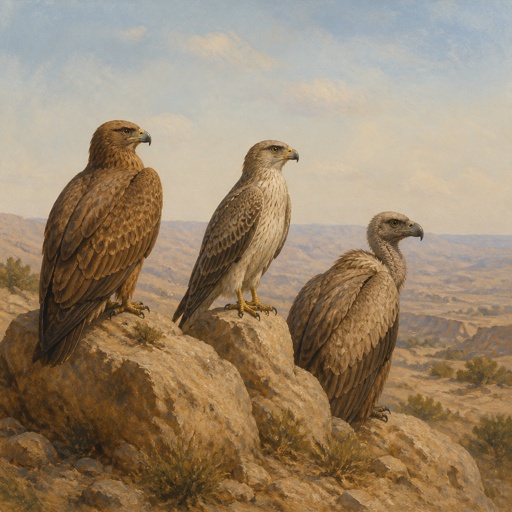
"And the glede, and the kite, and the vulture after his kind," - Deuteronomy 14:13

"Thou shalt be perfect with the LORD thy God." - Deuteronomy 18:13

Deuteronomy 1:13 - "Take you wise men, and understanding, and known among your tribes, and I will make them rulers over you."

Deuteronomy 13:14 - "Then shalt thou enquire, and make search, and ask diligently; and, behold, if it be truth, and the thing certain, that such abomination is wrought among you;"

Deuteronomy 8:13 - "And when thy herds and thy flocks multiply, and thy silver and thy gold is multiplied, and all that thou hast is multiplied;"

Deuteronomy 16:13 - "¶ Thou shalt observe the feast of tabernacles seven days, after that thou hast gathered in thy corn and thy wine:"

Deuteronomy 15:13 - "And when thou sendest him out free from thee, thou shalt not let him go away empty:"

Deuteronomy 2:17 - "That the LORD spake unto me, saying,"

Deuteronomy 13:12 - "¶ If thou shalt hear say in one of thy cities, which the LORD thy God hath given thee to dwell there, saying,"

Deuteronomy 19:13 - "Thine eye shall not pity him, but thou shalt put away the guilt of innocent blood from Israel, that it may go well with thee."
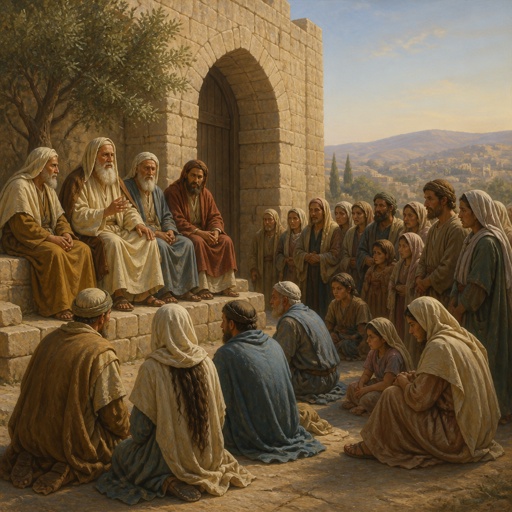
"And all the people shall hear, and fear, and do no more presumptuously." - Deuteronomy 17:13