The Boundaries of Blessing: A Reflection on Divine Sovereignty
“Meddle not with them; for I will not give you of their land, no, not so much as a foot breadth; because I have given mount Seir unto Esau for a possession.” — Deuteronomy 2:5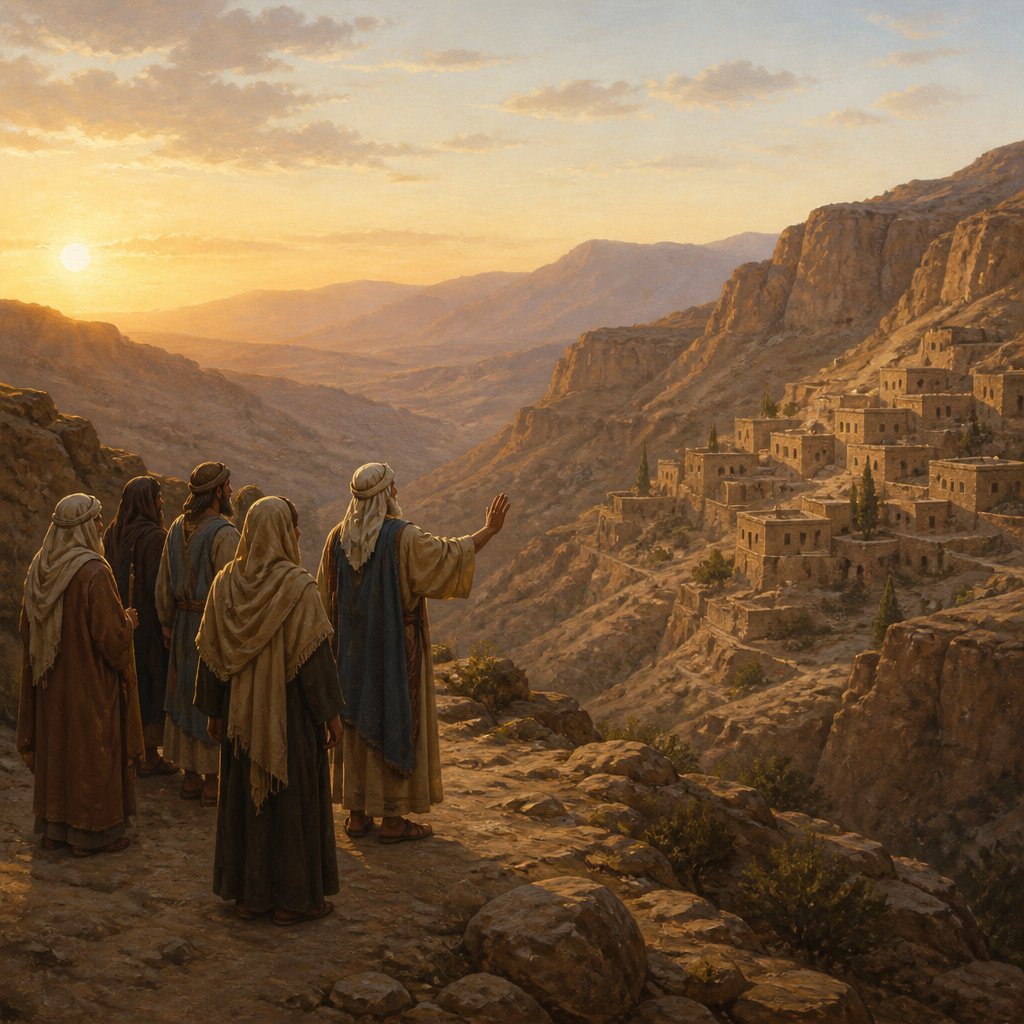
In Deuteronomy 2:5, we find a clear directive from God: "Meddle not with them; for I will not give you of their land, no, not so much as a foot breadth; because I have given mount Seir unto Esau for a possession." This verse encapsulates a profound truth about God's sovereignty and the specific boundaries He sets for His people.
At first glance, this ancient command may seem distant from our modern lives, yet its foundational truths echo through the ages, calling us to reflect on God's character and His providential dealings with humanity. In a world filled with choices, conflicts, and competing claims for our time and attention, we must ask ourselves: What does it truly mean to meddle? And how do we respond to God’s sovereign boundaries in our own lives?
To "meddle" signifies interference in the affairs of others—making decisions or taking actions that encroach upon what has been divinely ordained for another. In the context of Israel wandering through the desert, God instructed His people not to engage with the land that He had allotted to Esau, the brother of Jacob. Mount Seir belonged to Esau, and it was not theirs to take. This directive was not merely about territorial rights but was a lesson on respecting the boundaries determined by God Himself.
As we examine this in light of our daily lives, we may find ourselves drawn into situations that tempt us to meddle—whether it's in our personal relationships, professional dealings, or even within ministries. Meddling can take shape in various forms: gossiping about others, entering into disputes that are not ours to settle, or pursuing ambitions that contradict God's call on our lives. Each act of interference reflects a heart that is unwilling to trust in God's perfect plan and timing.
Furthermore, God's assertion that He would not give Israel "so much as a foot breadth" of Esau's territory emphasizes the firmness of His promises. The land of Mount Seir was specifically designated for Esau, who represents the descendants of the Edomites. By laying claim to this land, the Israelites would have acted in rebellion against God’s sovereign allocation. This teaches us an important spiritual principle: when we attempt to wrest control from divine order—whether through envy, pride, or ambition—we disrupt the very fabric of God's creation and His intended plans.
The call to respect boundaries is also a reminder of God's purpose for each individual. In His divine wisdom, God has assigned roles, gifts, and territories to each of us. The parable of the talents (Matthew 25:14-30) illustrates this; we are entrusted with certain responsibilities and blessings in our lives. Our duty is to cultivate and manage what has been given rather than coveting what belongs to another. To envy the calling or blessings of others is to swallow the poison of comparison, which can lead to spiritual stagnation and potential discord.
In the New Testament, this principle continues to resonate through teachings of love, respect, and the celebration of individual gifting (Romans 12:4-8). The Apostle Paul reminds us that we are all parts of one body, each with specific functions (1 Corinthians 12:12-27). When we meddle in the domains of others, we risk losing sight of our own purpose and diminish the beauty of the whole body of Christ.
In conclusion, Deuteronomy 2:5 serves as both a directive and a reassurance: God knows what belongs to whom and has a perfect plan for each of His creations. Let us strive to remain within the boundaries God has set for us, cultivating thankfulness for our own blessings and respecting the gifts assigned to others. In trusting God’s sovereignty, we find peace and fulfillment, ensuring our hearts are aligned with His will. May we reflect on these truths daily, remembering that true freedom lies in submission to His divine order.
Get our apps


Artwork for Deuteronomy 2:5

Deuteronomy 2:5 - "Meddle not with them; for I will not give you of their land, no, not so much as a foot breadth; because I have given mount Seir unto Esau for a possession."
"Meddle not with them; for I will not give you of their land, no, not so much as a foot breadth; because I have given mount Seir unto Esau for a possession." - Deuteronomy 2:5

Deuteronomy 5:2 - "The LORD our God made a covenant with us in Horeb."

"The LORD our God made a covenant with us in Horeb." - Deuteronomy 5:2
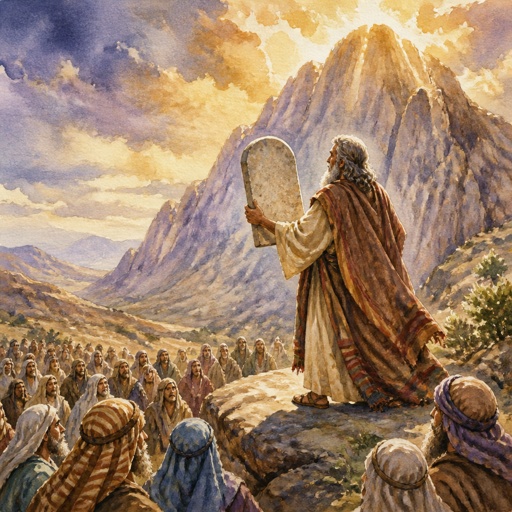
Deuteronomy 5 pictures

Deuteronomy 5:2-3 - "The Lord our God made a covenant with us in Horeb. The Lord did not make this covenant with our fathers, but with us, those who are here today, all of us who are alive."

Deuteronomy 5:17 - "Thou shalt not kill."

Deuteronomy 34:5-6

Deuteronomy 5:19 - "Neither shalt thou steal."

Deuteronomy 5:18 - "Neither shalt thou commit adultery."

Deuteronomy 28:5 - "Blessed shall be thy basket and thy store."

Deuteronomy 5:30 - "Go say to them, Get you into your tents again."

"Thou shalt not kill." - Deuteronomy 5:17

Deuteronomy 5:7 - "Thou shalt have none other gods before me."

Deuteronomy 5:13 - "Six days thou shalt labour, and do all thy work:"

Deuteronomy 1:5 - "On this side Jordan, in the land of Moab, began Moses to declare this law, saying,"

Deuteronomy 2:2 - "And the LORD spake unto me, saying,"

Deuteronomy 5:5 - "(I stood between the LORD and you at that time, to shew you the word of the LORD: for ye were afraid by reason of the fire, and went not up into the mount;) saying,"

Deuteronomy 5:20 - "Neither shalt thou bear false witness against thy neighbour."

Deuteronomy 5:4 - "The LORD talked with you face to face in the mount out of the midst of the fire,"

Deuteronomy 32:5 - "They have corrupted themselves, their spot is not the spot of his children: they are a perverse and crooked generation."

Deuteronomy 14:5 - "The hart, and the roebuck, and the fallow deer, and the wild goat, and the pygarg, and the wild ox, and the chamois."

Deuteronomy 5:10 - "And shewing mercy unto thousands of them that love me and keep my commandments."

Deuteronomy 5:12 - "Keep the sabbath day to sanctify it, as the LORD thy God hath commanded thee."

Deuteronomy 11:5 - "And what he did unto you in the wilderness, until ye came into this place;"

Deuteronomy 34:5 - "¶ So Moses the servant of the LORD died there in the land of Moab, according to the word of the LORD."

"Neither shalt thou steal." - Deuteronomy 5:19

Deuteronomy 33:5 - "And he was king in Jeshurun, when the heads of the people and the tribes of Israel were gathered together."

"Neither shalt thou commit adultery." - Deuteronomy 5:18

Deuteronomy 3:5 - "All these cities were fenced with high walls, gates, and bars; beside unwalled towns a great many."