Divorce, Grace, and Restoration: Understanding Deuteronomy 24:1
“When a man hath taken a wife, and married her, and it come to pass that she find no favour in his eyes, because he hath found some uncleanness in her: then let him write her a bill of divorcement, and give it in her hand, and send her out of his house.” — Deuteronomy 24:1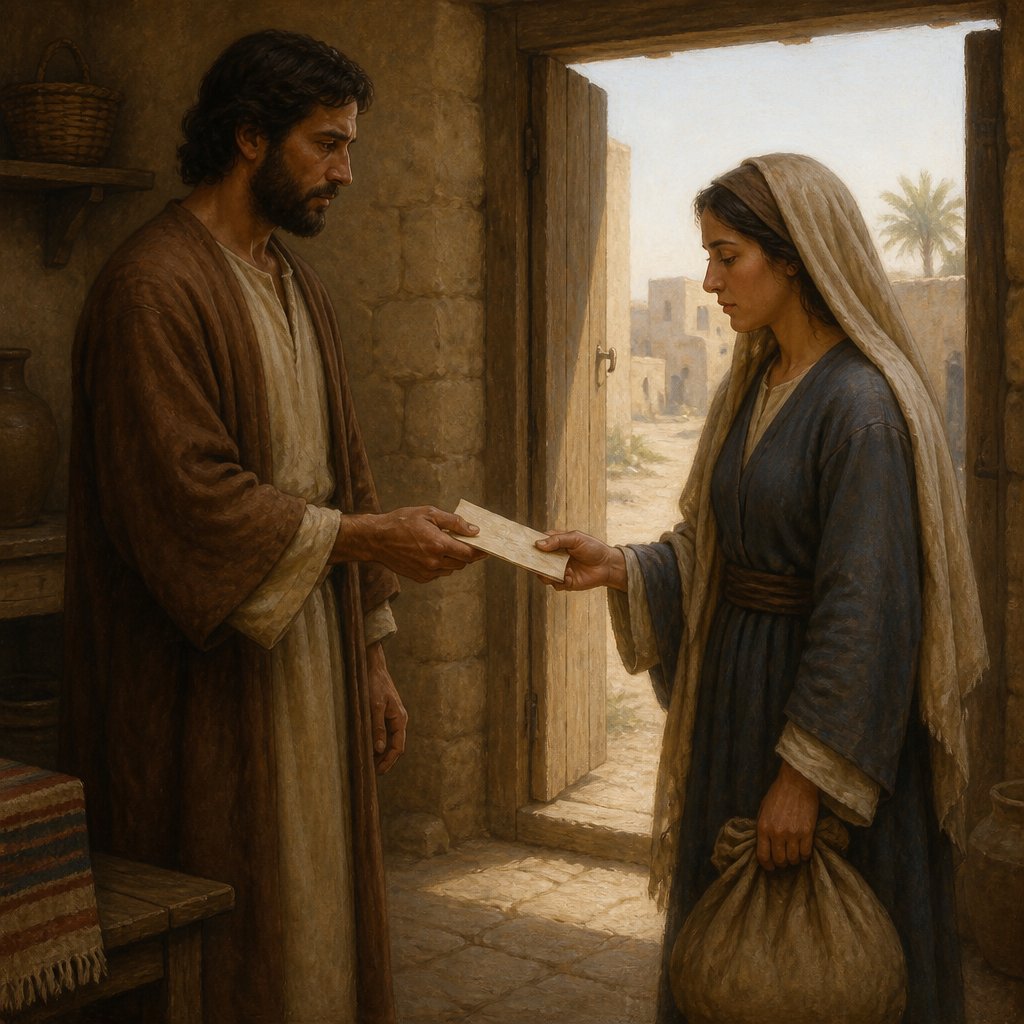
The scripture in Deuteronomy 24:1 states: "When a man hath taken a wife, and married her, and it come to pass that she find no favour in his eyes, because he hath found some uncleanness in her: then let him write her a bill of divorcement, and give it in her hand, and send her out of his house." At first glance, this verse appears to be a straightforward directive regarding marital dissolution; however, exploring it deeper reveals profound theological implications regarding grace, forgiveness, and the sacredness of marriage.
**The Context of the Law**
Deuteronomy 24 is embedded within the Mosaic Law, which Israel received while amidst their wilderness journey. The regulations set forth were not merely about managing people's interpersonal relationships; they were a reflection of God’s desire for His people to live in harmony, justice, and love. In ancient Israel, the sanctity of marriage was of utmost importance, yet the law recognized the imperfections of humanity. This particular verse came amidst a culture that often marginalized women, waiting to unjustly cast them aside due to perceived shortcomings or even mere dissatisfaction.
**Uncleanness vs. Grace**
The term "uncleanness" in this text needs careful consideration. What was considered "uncleanness" varied greatly; it could have referred to unfaithfulness, barrenness, or even an insubstantial offense that could be perceived as a flaw in a woman. This clause allows for divorce and seems to provide a legal platform to dissolve a covenant. Yet, we must reflect on how often we apply such standards, forgetting the deeper essence of God’s command to love and cherish one another.
In the New Testament, Jesus reinterprets this commandment in the Gospel Accounts, emphasizing that "the hardness of your hearts" led to this concession (Matthew 19:8). God desires to extend grace — a chance for redemption and reconciliation. The heart of God yearns for restoration, knowing that divorce breaks the bond that God intended to be unbroken, and often inflicts hurt and suffering on all involved.
**The Role of Justice**
While the instruction in Deuteronomy allows a man to write a bill of divorcement, which seems unjust towards the woman, we must consider that the very act of providing the certificate was to ensure her protection. In a patriarchal society, where women depended heavily on their husbands for security, this certificate was a means of safeguarding her dignity and future, allowing her to remarry and escape an uncertain fate without societal stigma or blame. Thus, the law serves to provide a framework of justice even amidst brokenness.
**Moving Beyond Divorce**
But beyond the boundaries of divorce, let us pivot towards the heart of God’s message concerning marriage. Ephesians 5 reminds us that the relationship between Christ and the Church is one of love, mutual submission, and sanctification. Thus, husbands and wives are called to reflect that divine love in their unions. As we navigate our understanding of marital relationships, we should focus on fostering grace, empathy, and forgiveness instead of succumbing to anger or discontent.
**Practical Application**
As believers, how do we respond when things go awry in our own marriages? The calling is clear: approach each situation with grace. "Be ye kind one to another, tenderhearted, forgiving one another, even as God for Christ’s sake hath forgiven you" (Ephesians 4:32). It does not condone ignoring serious faults, nor does it excuse sinful behavior; rather, it encourages us to pursue reconciliation and to seek solutions grounded in love.
In this way, what can happen when strife arises? We can boldly pursue conversations that lead to healing, breaking down walls instead of building them. When faced with difficulty, let us remember God’s original blueprint for unity — a union that reflects His persistent love and grace towards us, despite our failures and imperfections.
**Conclusion**
Deuteronomy 24:1, and the surrounding context, remind us that while the law permits a way out of frustrated relationships, God’s heart beats for restoration and wholeness. In a world that seems to favor quick exits, He nudges us towards a deeper understanding of commitment, love, and grace — and in doing so, may we become vessels of His peace in our homes and communities.
Get our apps


Artwork for Deuteronomy 24:1

Deuteronomy 24:1 - "When a man hath taken a wife, and married her, and it come to pass that she find no favour in his eyes, because he hath found some uncleanness in her: then let him write her a bill of divorcement, and give it in her hand, and send her out of his house."
"When a man hath taken a wife, and married her, and it come to pass that she find no favour in his eyes, because he hath found some uncleanness in her: then let him write her a bill of divorcement, and give it in her hand, and send her out of his house." - Deuteronomy 24:1

Deuteronomy 1:24 - "And they turned and went up into the mountain, and came unto the valley of Eshcol, and searched it out."

"And they turned and went up into the mountain, and came unto the valley of Eshcol, and searched it out." - Deuteronomy 1:24

Deuteronomy 24:12 - "And if the man be poor, thou shalt not sleep with his pledge:"

Deuteronomy 4:24 - "For the LORD thy God is a consuming fire, even a jealous God."

Deuteronomy 12:24 - "Thou shalt not eat it; thou shalt pour it upon the earth as water."

Deuteronomy 9:24 - "Ye have been rebellious against the LORD from the day that I knew you."

Deuteronomy 27:24 - "Cursed be he that smiteth his neighbour secretly. And all the people shall say, Amen."
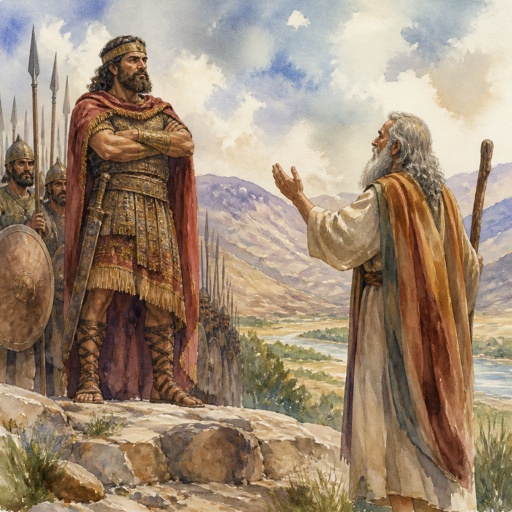
Sihon king of heshbon and Moses in Deuteronomy 2:24-37

Deuteronomy 24:17 - "¶ Thou shalt not pervert the judgment of the stranger, nor of the fatherless; nor take a widow's raiment to pledge:"

Deuteronomy 24:6 - "¶ No man shall take the nether or the upper millstone to pledge: for he taketh a man's life to pledge."

Deuteronomy 24:2 - "And when she is departed out of his house, she may go and be another man's wife."

Deuteronomy 24:21 - "When thou gatherest the grapes of thy vineyard, thou shalt not glean it afterward: it shall be for the stranger, for the fatherless, and for the widow."

Deuteronomy 24:22 - "And thou shalt remember that thou wast a bondman in the land of Egypt: therefore I command thee to do this thing."

Deuteronomy 31:24 - "¶ And it came to pass, when Moses had made an end of writing the words of this law in a book, until they were finished,"

Deuteronomy 24:9 - "Remember what the LORD thy God did unto Miriam by the way, after that ye were come forth out of Egypt."

Deuteronomy 24:10 - "¶ When thou dost lend thy brother any thing, thou shalt not go into his house to fetch his pledge."

Deuteronomy 24:20 - "When thou beatest thine olive tree, thou shalt not go over the boughs again: it shall be for the stranger, for the fatherless, and for the widow."

Deuteronomy 24:11 - "Thou shalt stand abroad, and the man to whom thou dost lend shall bring out the pledge abroad unto thee."

"And if the man be poor, thou shalt not sleep with his pledge:" - Deuteronomy 24:12

Deuteronomy 29:24 - "Even all nations shall say, Wherefore hath the LORD done thus unto this land? what meaneth the heat of this great anger?"

Deuteronomy 33:24 - "¶ And of Asher he said, Let Asher be blessed with children; let him be acceptable to his brethren, and let him dip his foot in oil."

Deuteronomy 24:14 - "¶ Thou shalt not oppress an hired servant that is poor and needy, whether he be of thy brethren, or of thy strangers that are in thy land within thy gates:"

Deuteronomy 28:24 - "The LORD shall make the rain of thy land powder and dust: from heaven shall it come down upon thee, until thou be destroyed."

"For the LORD thy God is a consuming fire, even a jealous God." - Deuteronomy 4:24

Deuteronomy 6:24 - "And the LORD commanded us to do all these statutes, to fear the LORD our God, for our good always, that he might preserve us alive, as it is at this day."

Deuteronomy 24:16 - "The fathers shall not be put to death for the children, neither shall the children be put to death for the fathers: every man shall be put to death for his own sin."

Deuteronomy 24:18 - "But thou shalt remember that thou wast a bondman in Egypt, and the LORD thy God redeemed thee thence: therefore I command thee to do this thing."

"Thou shalt not eat it; thou shalt pour it upon the earth as water." - Deuteronomy 12:24