The Heart of Compassion: Understanding the Pledge of the Poor
“And if the man be poor, thou shalt not sleep with his pledge:” — Deuteronomy 24:12
In the book of Deuteronomy, we find the heart of God for justice and compassion woven into the fabric of His laws. Deuteronomy 24:12 says, "And if the man be poor, thou shalt not sleep with his pledge." At first glance, this may appear to be a simple instruction regarding the treatment of pledges or collateral in financial dealings. However, a deeper exploration reveals profound implications about how we are to treat those who are vulnerable and marginalized in society.
This verse addresses a specific practice in the ancient Near Eastern economy where the poor would sometimes offer their possessions as collateral for loans. In many cases, these items represented their only means of survival or dignity. The directive from God is clear: even if the situation calls for possession of a pledge, the moral obligation to care for the poor must supersede any financial transactions. This verse acts as a divine reminder that true justice goes beyond mere legalities—it requires empathy, kindness, and compassion.
In our contemporary society, we often encounter situations where the underprivileged must navigate systems that can be unkind or exploitative. For example, individuals in financial distress might be forced to take loans against their small possessions, which they may desperately need to retain. The call to not ‘sleep with his pledge’ serves as a metaphorical and practical means of affirming the dignity of those in need. It urges us to consider how our decisions impact those who may not have a voice or the power to retaliate against injustice.
This verse challenges us to examine not only our financial interactions but also our relationships and interactions on a broader scale. Are we quick to disregard the struggles of others when it benefits us? Do we find ourselves ignoring the plight of the poor, or do we actively seek to be their advocates? The heart behind this instruction is deeply relational; it pushes us to care for one another in tangible ways, ensuring that the rights and dignity of the poor are prioritized.
Moreover, Jesus echoed these sentiments during His earthly ministry. He often reached out to the marginalized and challenged the societal norms that allowed the rich to exploit the poor. For example, in Luke 4:18-19, Jesus reads from the scroll of Isaiah, proclaiming good news to the poor and freedom for the oppressed. He modeled a life of selfless compassion, confronting injustices and offering hope to the downtrodden.
When we encounter an opportunity to help those in need, we must remember that our assistance should be rooted in love, compassion, and respect for their dignity. The instruction not to sleep with the pledge is a reminder to keep promises and honors regardless of personal gain. It calls for a commitment to integrity in our dealings—whether they are financial, emotional, or ethical.
As we reflect on this verse, let us introspectively ask ourselves the following questions: How do we treat those who are at a disadvantage? Are we using our resources to help elevate those who have fallen behind, or are we unintentional oppressors in our apathy? By choosing to act with compassion, we align ourselves with the heart of God, who continually promotes justice and mercy.
In conclusion, Deuteronomy 24:12 serves as a timeless reminder to extend grace and compassion towards the poor and to honor their pledges as extensions of their dignity. Let us be called to action, not only to recognize the struggles of the needy but to embody Christ’s love and justice in our responses. In doing so, we not only serve others but also reflect the character of our Creator.
Get our apps


Artwork for Deuteronomy 24:12

Deuteronomy 24:12 - "And if the man be poor, thou shalt not sleep with his pledge:"

"And if the man be poor, thou shalt not sleep with his pledge:" - Deuteronomy 24:12

Deuteronomy 12:24 - "Thou shalt not eat it; thou shalt pour it upon the earth as water."

James 1:2-4

James 1: 2-4

Joel 1:2-4, 13-20

"Thou shalt not eat it; thou shalt pour it upon the earth as water." - Deuteronomy 12:24

2 Samuel 1:2-4 David is shocked the man is scared image in color

2 Samuel 1:2-4 David is shocked the man is scared image in color

Deuteronomy 4:24 - "For the LORD thy God is a consuming fire, even a jealous God."

Deuteronomy 1:24 - "And they turned and went up into the mountain, and came unto the valley of Eshcol, and searched it out."

Deuteronomy 9:24 - "Ye have been rebellious against the LORD from the day that I knew you."

Deuteronomy 27:24 - "Cursed be he that smiteth his neighbour secretly. And all the people shall say, Amen."

Joshua 24:12
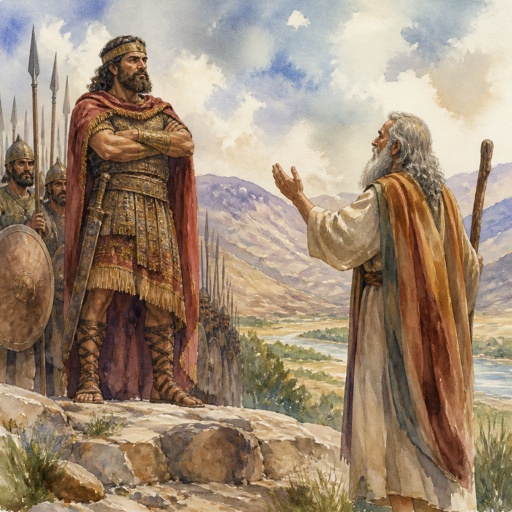
Sihon king of heshbon and Moses in Deuteronomy 2:24-37

Joshua 24:12

Genesis 24-12

Deuteronomy 24:17 - "¶ Thou shalt not pervert the judgment of the stranger, nor of the fatherless; nor take a widow's raiment to pledge:"

Deuteronomy 24:6 - "¶ No man shall take the nether or the upper millstone to pledge: for he taketh a man's life to pledge."

Deuteronomy 24:2 - "And when she is departed out of his house, she may go and be another man's wife."

2 Samuel 1:2-4 David is shocked the man is scared image in color less details

Deuteronomy 14:12 - "But these are they of which ye shall not eat: the eagle, and the ossifrage, and the ospray,"

Deuteronomy 12:4 - "Ye shall not do so unto the LORD your God."

Deuteronomy 24:21 - "When thou gatherest the grapes of thy vineyard, thou shalt not glean it afterward: it shall be for the stranger, for the fatherless, and for the widow."

Deuteronomy 24:22 - "And thou shalt remember that thou wast a bondman in the land of Egypt: therefore I command thee to do this thing."

Deuteronomy 31:24 - "¶ And it came to pass, when Moses had made an end of writing the words of this law in a book, until they were finished,"

Acts 12:24 - "¶ But the word of God grew and multiplied."

Deuteronomy 32:12 - "So the LORD alone did lead him, and there was no strange god with him."

Deuteronomy 24:9 - "Remember what the LORD thy God did unto Miriam by the way, after that ye were come forth out of Egypt."

Deuteronomy 24:10 - "¶ When thou dost lend thy brother any thing, thou shalt not go into his house to fetch his pledge."