Justice for the Vulnerable: A Divine Mandate
“Thou shalt not oppress an hired servant that is poor and needy, whether he be of thy brethren, or of thy strangers that are in thy land within thy gates:” — Deuteronomy 24:14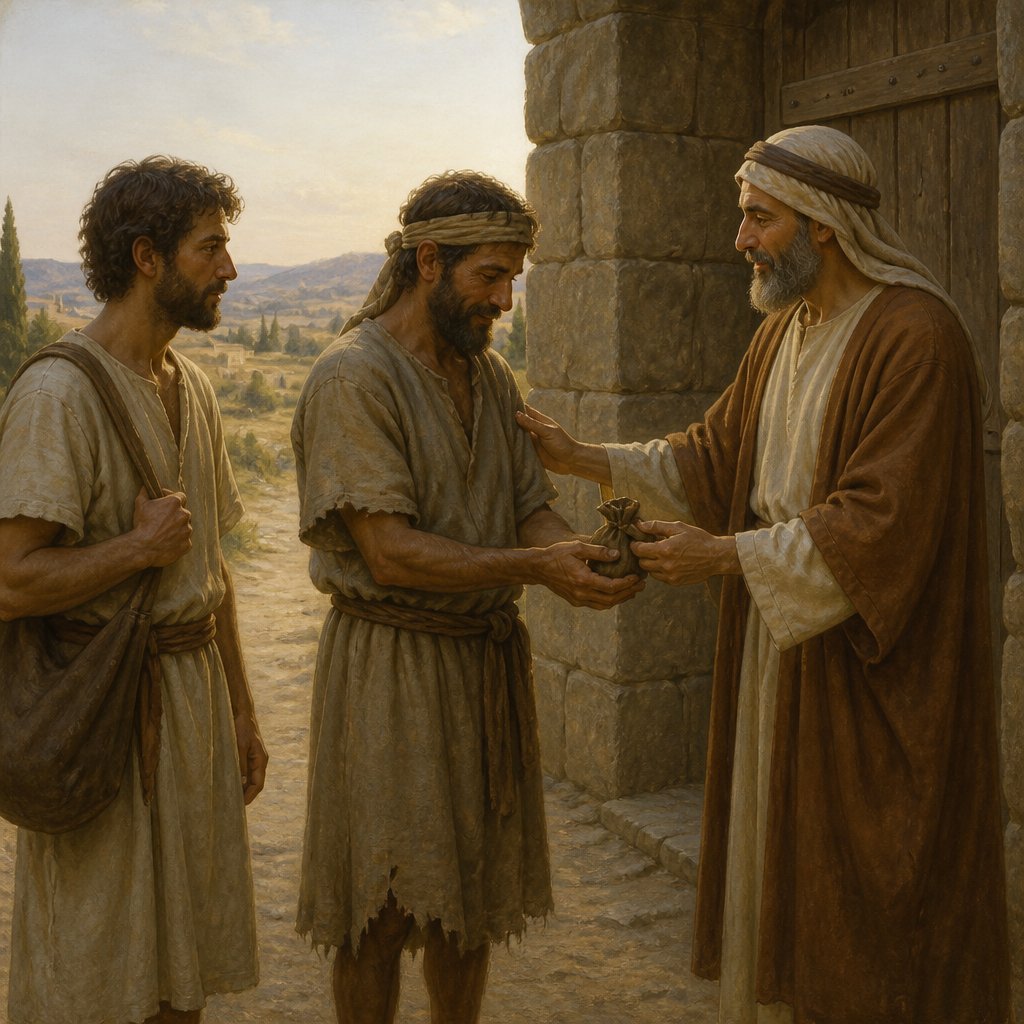
Deuteronomy 24:14 proclaims, "Thou shalt not oppress an hired servant that is poor and needy, whether he be of thy brethren, or of thy strangers that are in thy land within thy gates." This succinct yet profound passage from the Pentateuch encapsulates God’s heart for justice, compassion, and dignity for all, particularly for those who find themselves in vulnerable positions.
To set the context, the Israelites were a people recently liberated from slavery in Egypt. They had experienced firsthand the bitterness of oppression and the harshness of unjust labor practices. As God established His covenant with them, He did not merely give laws and rituals to govern worship; He also provided principles that centered on morality and social justice. Central to these is the call to protect those who are poor and needy, especially hired servants or laborers who are dependent upon the fairness of their employers.
This verse serves several vital purposes. First, it is a reminder of our duty as stewards of God’s creation. In a society where wealth and status can easily bias treatment, God insists we remember those who work for us, ensuring they are treated with respect. A hired servant is likely someone who has little power and few resources. By putting this command into a larger framework of ethics within the community, we recognize that our moral obligations extend beyond familial or national lines. Whether a fellow Israelite or a foreigner, every hired servant deserves dignity and right treatment, underscoring the universality of God’s love and justice.
Second, the command not to oppress reflects the very nature of God's justice. Our Creator defines justice not simply as a legalistic adherence to rules but as an active pursuit of righteousness and care for the marginalized. God positions Himself as a defender of the vulnerable throughout Scripture. By caring for the poor and needy, we embody the very character of God, who is described throughout the Bible as gracious, compassionate, and slow to anger. When we acknowledge and support those who are disadvantaged, we participate in God's mission of redemption and restoration in the world.
Moreover, the socioeconomic implications of this verse highlight a critical truth: material poverty is often intertwined with a lack of social power. The Old Testament community was structured around relationships, and God’s command asks us to consider how our actions affect those without agency. To refuse to oppress others is to acknowledge and affirm the full humanity of those we employ, recognizing their needs and working to ensure their basic rights. In practical terms, this could mean fair wages, timely payment, and safe working conditions—actions that reflect a heart aligned with the will of God.
As we consider the implications of Deuteronomy 24:14 in our lives today, we are compelled to ask ourselves how we might oppress those around us—whether overtly or through negligence. Are we fair in our dealings with others in business and in daily interactions? Do we recognize the inherent dignity of workers, ensuring they feel valued and respected? A culture of consumerism often leads to the neglect of our responsibilities towards laborers, understanding their role as mere cogs in a greater machine. This perspective must shift; we are called to advocate for those who are marginalized in the workplace, elevating their voices and recognizing their contributions to our society.
In conclusion, Deuteronomy 24:14 challenges us to live out God's command of love, justice, and mercy in tangible ways. We must pursue righteousness not just within the walls of our churches but also in the public squares where laborers are employed. Let us remember this divine mandate not merely as an ancient commandment but as a contemporary call to action that invites us to reflect God’s heart for justice in all our dealings. In doing so, we draw nearer to the image of Christ, who cared for the least of these, demonstrating that to love God is to love our neighbor.
Get our apps


Artwork for Deuteronomy 24:14

Deuteronomy 24:14 - "¶ Thou shalt not oppress an hired servant that is poor and needy, whether he be of thy brethren, or of thy strangers that are in thy land within thy gates:"

Deuteronomy 24:14-15 - "You shall not oppress a hired servant who is poor and needy, whether he is one of your countrymen or one of your aliens who is in your land in your towns. You shall give him his wages on his day before the sun sets, for he is poor and sets his heart on it; so that he will not cry against you to the Lord and it becomes sin in you."
"¶ Thou shalt not oppress an hired servant that is poor and needy, whether he be of thy brethren, or of thy strangers that are in thy land within thy gates:" - Deuteronomy 24:14
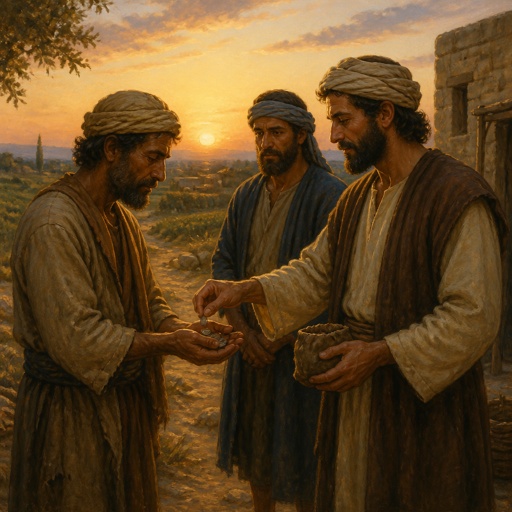
"You shall not oppress a hired servant who is poor and needy, whether he is one of your countrymen or one of your aliens who is in your land in your towns. You shall give him his wages on his day before the sun sets, for he is poor and sets his heart on it; so that he will not cry against you to the Lord and it becomes sin in you." - Deuteronomy 24:14-15

Deuteronomy 14:24 - "And if the way be too long for thee, so that thou art not able to carry it; or if the place be too far from thee, which the LORD thy God shall choose to set his name there, when the LORD thy God hath blessed thee:"

Deuteronomy 14:14 - "And every raven after his kind,"

Deuteronomy 24:12 - "And if the man be poor, thou shalt not sleep with his pledge:"

Deuteronomy 4:24 - "For the LORD thy God is a consuming fire, even a jealous God."

Deuteronomy 14:17 - "And the pelican, and the gier eagle, and the cormorant,"

"And every raven after his kind," - Deuteronomy 14:14

Deuteronomy 12:24 - "Thou shalt not eat it; thou shalt pour it upon the earth as water."

Deuteronomy 14:16 - "The little owl, and the great owl, and the swan,"

Deuteronomy 1:24 - "And they turned and went up into the mountain, and came unto the valley of Eshcol, and searched it out."

Genesis 24-14

Deuteronomy 14:3 - "¶ Thou shalt not eat any abominable thing."

Deuteronomy 9:24 - "Ye have been rebellious against the LORD from the day that I knew you."

Deuteronomy 27:24 - "Cursed be he that smiteth his neighbour secretly. And all the people shall say, Amen."

Deuteronomy 14:11 - "¶ Of all clean birds ye shall eat."

Deuteronomy 14:20 - "But of all clean fowls ye may eat."

Deuteronomy 14:13 - "And the glede, and the kite, and the vulture after his kind,"
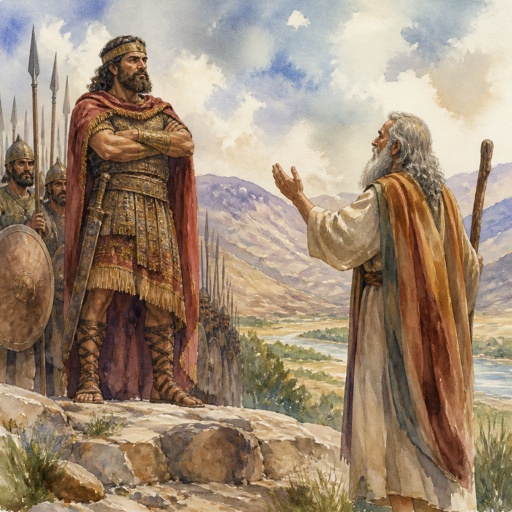
Sihon king of heshbon and Moses in Deuteronomy 2:24-37

Deuteronomy 24:17 - "¶ Thou shalt not pervert the judgment of the stranger, nor of the fatherless; nor take a widow's raiment to pledge:"

Deuteronomy 24:6 - "¶ No man shall take the nether or the upper millstone to pledge: for he taketh a man's life to pledge."

Deuteronomy 24:2 - "And when she is departed out of his house, she may go and be another man's wife."

Deuteronomy 14:18 - "And the stork, and the heron after her kind, and the lapwing, and the bat."

Deuteronomy 14:12 - "But these are they of which ye shall not eat: the eagle, and the ossifrage, and the ospray,"

Deuteronomy 14:15 - "And the owl, and the night hawk, and the cuckow, and the hawk after his kind,"

Deuteronomy 29:14 - "Neither with you only do I make this covenant and this oath;"

Exodus 7:14-24

Deuteronomy 14:4 - "These are the beasts which ye shall eat: the ox, the sheep, and the goat,"