The Heart of Justice: Remembering Our Redemption
“Thou shalt not pervert the judgment of the stranger, nor of the fatherless; nor take a widow’s raiment to pledge: But thou shalt remember that thou wast a bondman in Egypt, and the LORD thy God redeemed thee thence: therefore I command thee to do this thing.” — Deuteronomy 24:17-18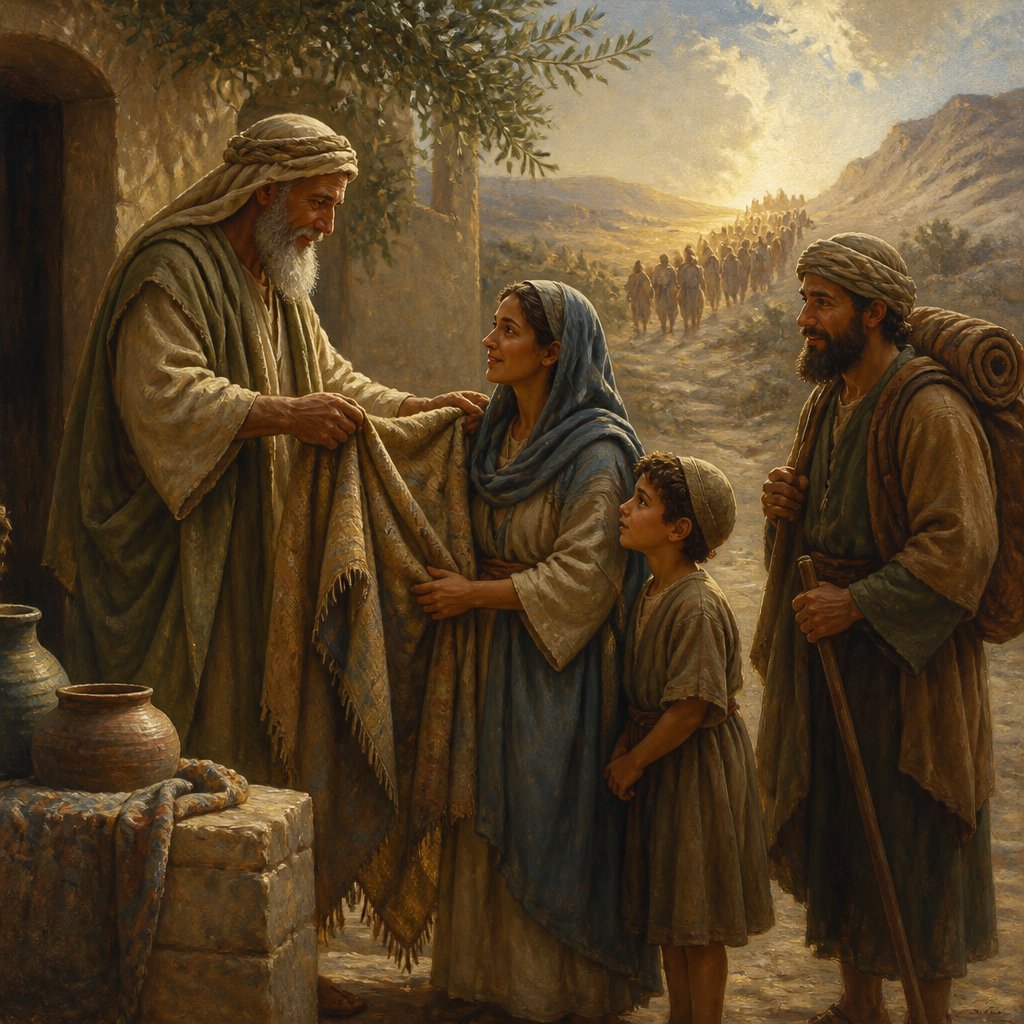
Deuteronomy 24:17-18 reminds us of the sacred call to justice and compassion, urging us to care for those who are vulnerable and marginalized in society. The verses state, "Thou shalt not pervert the judgment of the stranger, nor of the fatherless; nor take a widow's raiment to pledge: But thou shalt remember that thou wast a bondman in Egypt, and the Lord thy God redeemed thee thence: therefore I command thee to do this thing."
At the heart of this command is the profound understanding of God’s character and His redemptive work within our lives. The instructions provided here are not mere legal obligations; they are deeply rooted in the memory of Israel’s experience in Egypt, where they were once enslaved, oppressed, and humiliated. God’s command to remember their bondage acts as a powerful motivator for compassion and justice in their dealings with others.
### A Call to Justice
In the ancient Near East, the categories of the stranger, the fatherless, and the widow represented the most vulnerable members of society. They lacked the social and economic protections that others may have had, rendering them susceptible to exploitation and neglect. When God commands Israel not to pervert judgment on behalf of these individuals, He emphasizes that justice must be impartial and equitable, grounded in love and mercy.
To "pervert judgment" means to twist or corrupt the processes meant to protect the innocent. As believers, we are called to uphold justice. This requires discernment and a commitment to ensure that our society protects the rights of everyone, especially those who cannot advocate for themselves. As Christians, we have a particular responsibility to ensure that our actions reflect the heart of God's justice. Therefore, we must be vigilant in our own communities to notice where injustices may go overlooked.
### The Encounter with Grief
God's directive against taking a widow's raiment as a pledge further emphasizes compassion over greed. The raiment, or garment, held a critical place in a widow's life; it was not merely clothing but a source of dignity and honor. By prohibiting such acts, God is illustrating His care for those who face the injustice of losing their loved ones. We are reminded that God sees the plight of the widow and seeks to protect her from further loss, highlighting His intimate concern for individual lives amidst societal structures.
In our lives today, we must ensure that we also do not add to the burdens of those already carrying heavy loads. Whether it be through our words, actions, or neglect, we must consciously choose paths of grace and support.
### Remembering Redemption
The command to remember past bondage serves a dual purpose. It is both a call to humility and a reminder of redemption. God emphasizes, "thou wast a bondman in Egypt," calling Israel to reflect on their past status and to be motivated by the grace shown to them. Understanding our own need for redemption can lead us to a deeper empathy for those who are still trapped in various forms of oppression today.
The words "and the Lord thy God redeemed thee thence" carry immense weight. God’s redemptive action in our own lives—bringing us from darkness into His marvelous light—should embolden us to extend the same grace and mercy to those who are struggling. We are transformed by grace to be instruments of grace in a broken world.
### Conclusion
As believers, let us take the charge set before us in Deuteronomy 24:17-18 to heart. We are reminded of our obligations and responsibilities as members of the body of Christ. With God’s grace and remembering His past redemptive work in our lives, we can be advocates for justice and agents of hope. Let our memories of redemption spur us to act justly, love mercy, and walk humbly with our God, embodying the heart of Christ in every encounter, especially with the vulnerable among us.
May we honor these commandments not only through our words but also through the actions of our daily lives, embodying a profound commitment to justice and compassion for all.
Get our apps


Artwork for Deuteronomy 24:17-18

Deuteronomy 24:17-18 - "Do not deprive the foreigner or the fatherless of justice, or take the cloak of the widow as a pledge. Remember that you were slaves in Egypt and the Lord your God redeemed you from there. That is why I command you to do this."
"Do not deprive the foreigner or the fatherless of justice, or take the cloak of the widow as a pledge. Remember that you were slaves in Egypt and the Lord your God redeemed you from there. That is why I command you to do this." - Deuteronomy 24:17-18

Deuteronomy 18:17 - "And the LORD said unto me, They have well spoken that which they have spoken."

Deuteronomy 24:17 - "¶ Thou shalt not pervert the judgment of the stranger, nor of the fatherless; nor take a widow's raiment to pledge:"

Deuteronomy 24:18 - "But thou shalt remember that thou wast a bondman in Egypt, and the LORD thy God redeemed thee thence: therefore I command thee to do this thing."

Deuteronomy 17:18 - "And it shall be, when he sitteth upon the throne of his kingdom, that he shall write him a copy of this law in a book out of that which is before the priests the Levites:"

"And the LORD said unto me, They have well spoken that which they have spoken." - Deuteronomy 18:17

"¶ Thou shalt not pervert the judgment of the stranger, nor of the fatherless; nor take a widow's raiment to pledge:" - Deuteronomy 24:17

Deuteronomy 5:17 - "Thou shalt not kill."

Matthew 17:17-18

Deuteronomy 14:17 - "And the pelican, and the gier eagle, and the cormorant,"

Matthew 17:17-18

Deuteronomy 24:12 - "And if the man be poor, thou shalt not sleep with his pledge:"

Genesis 24-17

Joshua 24:17

Deuteronomy 2:17 - "That the LORD spake unto me, saying,"

Deuteronomy 4:24 - "For the LORD thy God is a consuming fire, even a jealous God."

Genesis 24-18

Deuteronomy 5:18 - "Neither shalt thou commit adultery."

Genesis 18-24

Joshua 24:17

Joshua 24:17

Genesis 17-24

luke 24:17

Exodus 24:17

Deuteronomy 28:17 - "Cursed shall be thy basket and thy store."

Deuteronomy 12:24 - "Thou shalt not eat it; thou shalt pour it upon the earth as water."
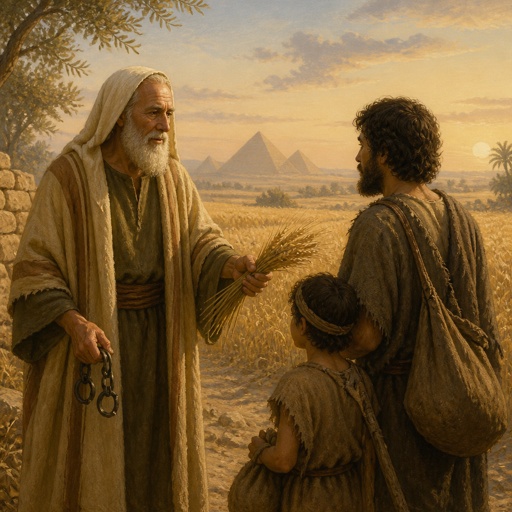
"But thou shalt remember that thou wast a bondman in Egypt, and the LORD thy God redeemed thee thence: therefore I command thee to do this thing." - Deuteronomy 24:18

Deuteronomy 18:11 - "Or a charmer, or a consulter with familiar spirits, or a wizard, or a necromancer."

Deuteronomy 18:13 - "Thou shalt be perfect with the LORD thy God."