Harvesting Grace: A Call to Compassion
“When thou gatherest the grapes of thy vineyard, thou shalt not glean it afterward: it shall be for the stranger, for the fatherless, and for the widow.” — Deuteronomy 24:21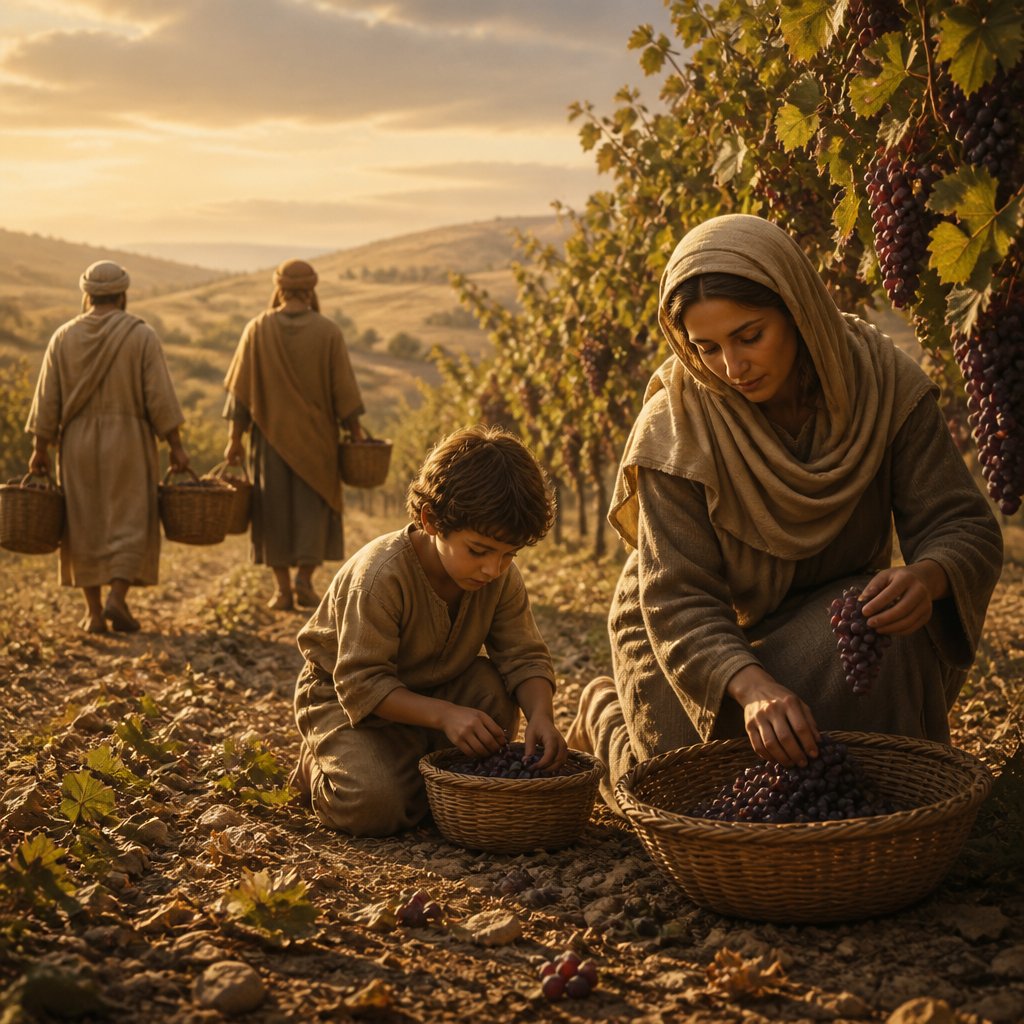
As we delve into the heart of Deuteronomy 24:21, we encounter a profound principle woven into the fabric of God’s law: "When thou gatherest the grapes of thy vineyard, thou shalt not glean it afterward: it shall be for the stranger, for the fatherless, and for the widow" (KJV). This verse reveals God’s compassionate heart toward those on the margins of society—strangers, orphans, and widows—and it beckons us to reflect on our own attitudes toward generosity and kindness.
### Context of the Verse
The book of Deuteronomy is a part of the Pentateuch, where Moses, nearing the end of his life, reiterates the laws given to the Israelites before they enter the Promised Land. These laws were designed not only to govern personal conduct but also to construct a community that reflected God’s character. At this juncture, we observe a directive that goes beyond mere agricultural practice; it captures the essence of social justice, revealing how God desires His people to live in communion with one another.
### The Principle of Gleaning
In ancient Israel, grape harvesting was a labor-intensive process, and it was customary for landowners to gather in their crops and leave the corners of the field unharvested for the needy. Similarly, in this verse, God commanded that after gathering the harvest, any leftover grapes were not to be collected but rather left for those in need. This act of leaving a portion of the harvest reflects God’s provision and mercy, reminding us that all abundance ultimately belongs to Him.
The act of gleaning stands as a metaphor for generosity. It’s a reminder that we should not exhaust all that we have for our exclusive privilege but instead should create space in our lives for others’ needs. God calls His people to be mindful of the less fortunate, to take intentional steps toward ensuring their needs are met. This is not merely an option but a divine mandate.
### The Recipients of Grace
God specifically mentions three groups: the stranger, the fatherless, and the widow. Each of these groups represents those who are vulnerable and often marginalized in society. The stranger, or foreigner, symbolizes all who may feel out of place or unwelcome. The fatherless and widow represent those bereft of traditional support systems—children who have lost parental care and individuals who have lost their spouses, often left to fend for themselves. Caring for these individuals reflects our understanding of God’s grace, which extends to all, regardless of status or circumstance.
### A Heart of Compassion
Today, we are called to embrace a similar ethos. Who are the ‘grapes’ we might be gathering in our lives? What resources—be it our time, talents, or treasures—are we hoarding for ourselves? The world often tells us to prioritize our gains, but God’s word challenges this notion. It beckons us toward a lifestyle of radical compassion that sees others, especially those who may not be able to reciprocate our kindness.
In a society that often prioritizes wealth and success, we must ask ourselves: how can we leave ‘gleanings’ in our lives, ensuring that those around us can partake in the abundance? It could be using the skills and knowledge we have to help individuals in need or giving of time to serve at local shelters. The essence of this commandment pushes us to live with an open hand rather than a clenched fist.
### A Call to Action
As we contemplate the implications of Deuteronomy 24:21, let us commit ourselves to actively seek ways to provide for those in need around us. Maybe it means volunteering your time, donating to local charities, or simply inviting someone who feels like a stranger into your community. God has blessed us abundantly, so let us not only gather our grapes but extend grace to those who, by circumstances beyond their control, may not have the privilege to gather for themselves.
In conclusion, may our lives be marked by the generous leaving of grapes for the stranger, the fatherless, and the widow. Let us embody the spirit of this biblical mandate and truly reflect the character of our Creator who desires for His love and abundance to flow through us, reaching every corner of our communities.
Get our apps


Artwork for Deuteronomy 24:21

Deuteronomy 24:21 - "When thou gatherest the grapes of thy vineyard, thou shalt not glean it afterward: it shall be for the stranger, for the fatherless, and for the widow."
"When thou gatherest the grapes of thy vineyard, thou shalt not glean it afterward: it shall be for the stranger, for the fatherless, and for the widow." - Deuteronomy 24:21

Deuteronomy 1.1-21

Luke 21:24

Deuteronomy 24:12 - "And if the man be poor, thou shalt not sleep with his pledge:"

Genesis 24-21

Genesis 21-24

Deuteronomy 4:24 - "For the LORD thy God is a consuming fire, even a jealous God."

Deuteronomy 12:24 - "Thou shalt not eat it; thou shalt pour it upon the earth as water."

Genesis 21:24 - "And Abraham said, I will swear."

Deuteronomy 1:24 - "And they turned and went up into the mountain, and came unto the valley of Eshcol, and searched it out."

Deuteronomy 9:24 - "Ye have been rebellious against the LORD from the day that I knew you."

Deuteronomy 27:24 - "Cursed be he that smiteth his neighbour secretly. And all the people shall say, Amen."
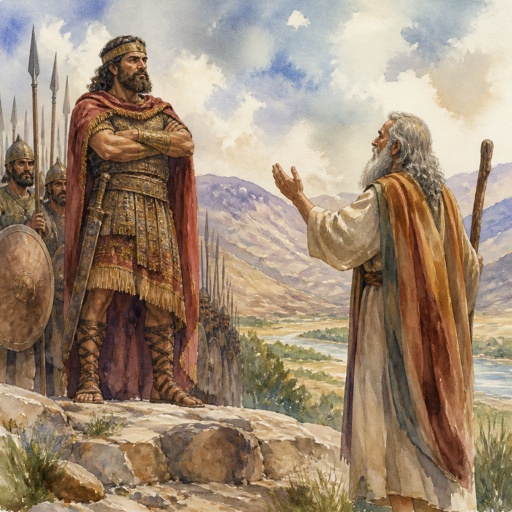
Sihon king of heshbon and Moses in Deuteronomy 2:24-37

Deuteronomy 24:17 - "¶ Thou shalt not pervert the judgment of the stranger, nor of the fatherless; nor take a widow's raiment to pledge:"

Deuteronomy 24:6 - "¶ No man shall take the nether or the upper millstone to pledge: for he taketh a man's life to pledge."

Deuteronomy 24:2 - "And when she is departed out of his house, she may go and be another man's wife."

Deuteronomy 27:21 - "Cursed be he that lieth with any manner of beast. And all the people shall say, Amen."

1 Chronicles 24:21 - "Concerning Rehabiah: of the sons of Rehabiah, the first was Isshiah."

Deuteronomy 21:21 - "And all the men of his city shall stone him with stones, that he die: so shalt thou put evil away from among you; and all Israel shall hear, and fear."

Deuteronomy 24:22 - "And thou shalt remember that thou wast a bondman in the land of Egypt: therefore I command thee to do this thing."

Deuteronomy 31:24 - "¶ And it came to pass, when Moses had made an end of writing the words of this law in a book, until they were finished,"

Job 24:21 - "He evil entreateth the barren that beareth not: and doeth not good to the widow."

Deuteronomy 7:21 - "Thou shalt not be affrighted at them: for the LORD thy God is among you, a mighty God and terrible."

Joshua 24:21 - "And the people said unto Joshua, Nay; but we will serve the LORD."

Exodus 21:24 - "Eye for eye, tooth for tooth, hand for hand, foot for foot,"

Job 21:24 - "His breasts are full of milk, and his bones are moistened with marrow."

Deuteronomy 21:7 - "And they shall answer and say, Our hands have not shed this blood, neither have our eyes seen it."

Deuteronomy 18:21 - "And if thou say in thine heart, How shall we know the word which the LORD hath not spoken?"

Joshua 21:24 - "Aijalon with her suburbs, Gath-rimmon with her suburbs; four cities."