The Blessed Abundance of Forgotten Sheaves
“When thou cuttest down thine harvest in thy field, and hast forgot a sheaf in the field, thou shalt not go again to fetch it: it shall be for the stranger, for the fatherless, and for the widow: that the LORD thy God may bless thee in all the work of thine hands.” — Deuteronomy 24:19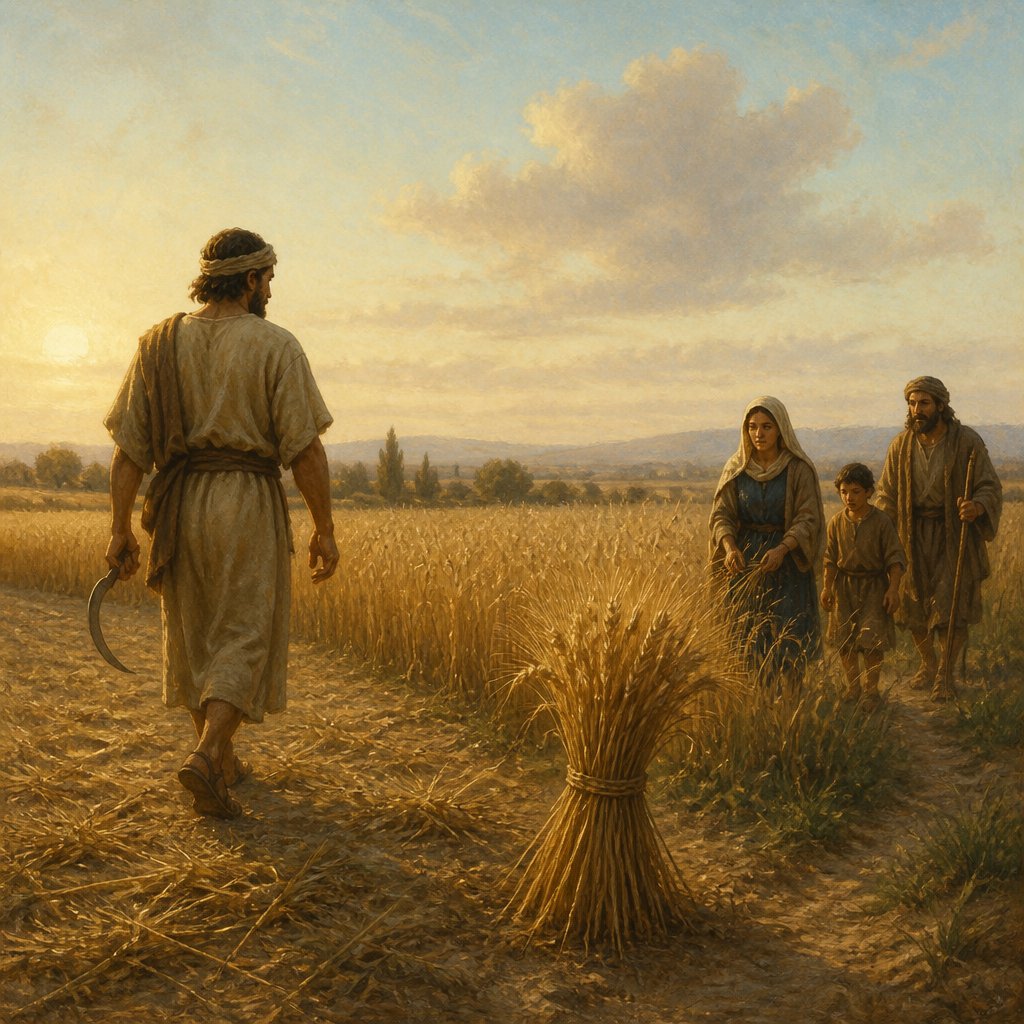
Deuteronomy 24:19 states, "When thou cuttest down thine harvest in thy field, and hast forgot a sheaf in the field, thou shalt not go again to fetch it: it shall be for the stranger, for the fatherless, and for the widow: that the LORD thy God may bless thee in all the work of thine hands." This passage from the Old Testament provides a profound insight into God’s heart for the needy and the significance of generosity in our lives.
At first glance, this verse appears to focus on a simple agricultural practice—leaving a sheaf behind during harvest. However, if we examine it closely, we will discover that it speaks volumes about God's kingdom values, human responsibility, and the transformative nature of generosity.
**Understanding God’s Provision**
In ancient Israel, the agricultural community heavily relied on their produce for survival. The harvest was the result of hard work, dedication, and an understanding of the seasons. Yet, amidst this effort, the Lord instructed the harvesters not to pursue what they had forgotten. Why? Because God wanted to instill a sense of compassion and awareness of those in need—strangers, orphans, and widows who often faced dire circumstances. In the culture of that time, these individuals were particularly vulnerable, lacking support or provision.
This command reflects God's desire for His people to establish a society that acknowledges and cares for the marginalized. Leaving the forgotten sheaf in the field was a practice of faith—trusting that as one meets the needs of others, God would bless their remaining harvest. It represents a principle of abundance; that by sharing what we have, we invite more of God's blessings into our lives.
**A Call to Generosity**
Generosity is not merely about monetary giving; it encompasses all aspects of our lives, including our time, talents, and emotional support. Each sheaf left in the fields symbolizes opportunities we have to uplift others. Reflect on your life—are there "forgotten sheaves"? Are there moments when we hold onto things too tightly, forgetting that our abundance is not solely for our benefit?
As Christians, we are called to follow the example of Jesus, who encompassed the spirit of this scripture in His life. He consistently reached out to the outcasts, the poor, and the broken-hearted, showcasing God's love in practical ways. Our forgotten sheaves might not only be physical resources; they could also be kindnesses we withhold, encouragement we fail to give, or time we neglect to share with those who are lonely.
By being intentional about identifying the needs around us, we allow God’s blessings to flow through us. The Lord calls us to be conduits of His grace—to ensure that our surplus becomes a lifeline for others. This calls for an evaluation of our lifestyles: is there room for greater generosity?
**The Promise of Blessing**
The latter part of Deuteronomy 24:19 holds a promise: "that the LORD thy God may bless thee in all the work of thine hands." When we reflect God’s heart by caring for others, we align ourselves with His will, and this results in blessings not just for the recipients of that charity, but for us as well. It is God’s way of ensuring reciprocity in our relationships, where blessings flow in and through us, confirming the truth that generosity begets generosity.
In today's world, where scarcity often overshadows abundance, we must remember that God’s economy is not founded on lack, but on the wealth of His provision. The sheaf we leave behind may lead to unexpected blessings for ourselves and our communities.
**Conclusion: A Generous Heart**
As believers, let us cultivate a heart that sees beyond our immediate needs. Let’s challenge ourselves to leave behind what might seem inconsequential in our lives in order to uplift others. May we embrace the call to be loving strangers to those who are less fortunate, for in doing so, we reflect the heart of God. As we live out this command, we can trust in the assurance of His blessing upon the work of our hands, leading us into a cycle of generosity, compassion, and divine favor.
Get our apps


Artwork for Deuteronomy 24:19
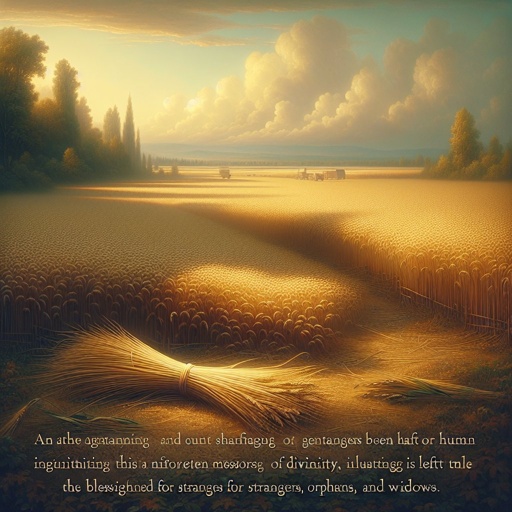
Deuteronomy 24:19 - "¶ When thou cuttest down thine harvest in thy field, and hast forgot a sheaf in the field, thou shalt not go again to fetch it: it shall be for the stranger, for the fatherless, and for the widow: that the LORD thy God may bless thee in all the work of thine hands."
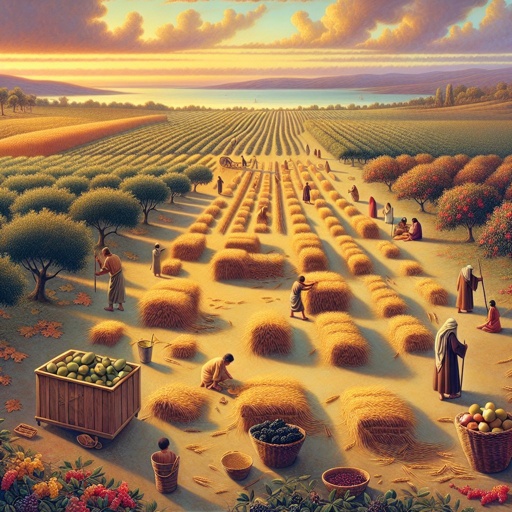
Deuteronomy 24:19-22 - "When you are harvesting in your field and you overlook a sheaf, do not go back to get it. Leave it for the foreigner, the fatherless and the widow, so that the Lord your God may bless you in all the work of your hands. When you beat the olives from your trees, do not go over the branches a second time. Leave what remains for the foreigner, the fatherless and the widow. When you harvest the grapes in your vineyard, do not go over the vines again. Leave what remains for the foreigner, the fatherless and the widow. Remember that you were slaves in Egypt. That is why I command you to do this."
"¶ When thou cuttest down thine harvest in thy field, and hast forgot a sheaf in the field, thou shalt not go again to fetch it: it shall be for the stranger, for the fatherless, and for the widow: that the LORD thy God may bless thee in all the work of thine hands." - Deuteronomy 24:19
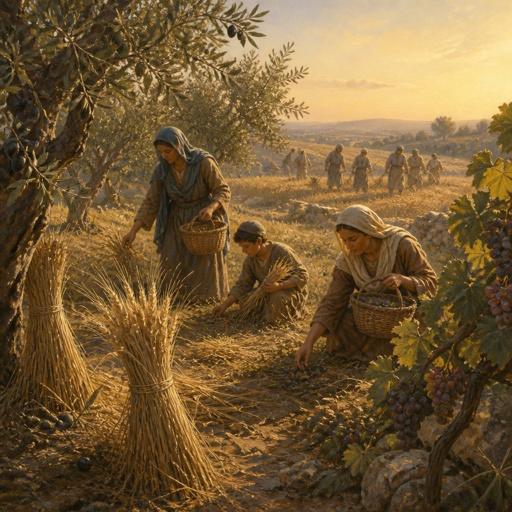
"When you are harvesting in your field and you overlook a sheaf, do not go back to get it. Leave it for the foreigner, the fatherless and the widow, so that the Lord your God may bless you in all the work of your hands. When you beat the olives from your trees, do not go over the branches a second time. Leave what remains for the foreigner, the fatherless and the widow. When you harvest the grapes in your vineyard, do not go over the vines again. Leave what remains for the foreigner, the fatherless and the widow. Remember that you were slaves in Egypt. That is why I command you to do this." - Deuteronomy 24:19-22

Deuteronomy 30:19:

Deuteronomy 5:19 - "Neither shalt thou steal."

Deuteronomy 24:12 - "And if the man be poor, thou shalt not sleep with his pledge:"

Genesis 24-19

Genesis 19-24

Genesis 19:24

Deuteronomy 4:24 - "For the LORD thy God is a consuming fire, even a jealous God."

Deuteronomy 12:24 - "Thou shalt not eat it; thou shalt pour it upon the earth as water."

Deuteronomy 1:24 - "And they turned and went up into the mountain, and came unto the valley of Eshcol, and searched it out."

2 Samuel 19:24

Deuteronomy 9:24 - "Ye have been rebellious against the LORD from the day that I knew you."

Deuteronomy 27:24 - "Cursed be he that smiteth his neighbour secretly. And all the people shall say, Amen."
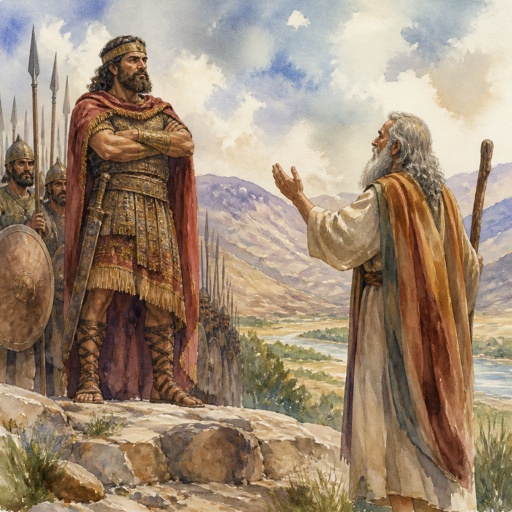
Sihon king of heshbon and Moses in Deuteronomy 2:24-37

Deuteronomy 24:17 - "¶ Thou shalt not pervert the judgment of the stranger, nor of the fatherless; nor take a widow's raiment to pledge:"

Deuteronomy 24:6 - "¶ No man shall take the nether or the upper millstone to pledge: for he taketh a man's life to pledge."

Deuteronomy 10:19 - "Love ye therefore the stranger: for ye were strangers in the land of Egypt."

Deuteronomy 14:19 - "And every creeping thing that flieth is unclean unto you: they shall not be eaten."

Deuteronomy 24:2 - "And when she is departed out of his house, she may go and be another man's wife."

"Neither shalt thou steal." - Deuteronomy 5:19

Deuteronomy 19:7 - "Wherefore I command thee, saying, Thou shalt separate three cities for thee."

Deuteronomy 6:19 - "To cast out all thine enemies from before thee, as the LORD hath spoken."

Job 19:24 - "That they were graven with an iron pen and lead in the rock for ever!"

Deuteronomy 24:21 - "When thou gatherest the grapes of thy vineyard, thou shalt not glean it afterward: it shall be for the stranger, for the fatherless, and for the widow."

Deuteronomy 24:22 - "And thou shalt remember that thou wast a bondman in the land of Egypt: therefore I command thee to do this thing."

Deuteronomy 31:24 - "¶ And it came to pass, when Moses had made an end of writing the words of this law in a book, until they were finished,"

Deuteronomy 19:19 - "Then shall ye do unto him, as he had thought to have done unto his brother: so shalt thou put the evil away from among you."