What does Deuteronomy 24:19 mean?
“When thou cuttest down thine harvest in thy field, and hast forgot a sheaf in the field, thou shalt not go again to fetch it: it shall be for the stranger, for the fatherless, and for the widow: that the LORD thy God may bless thee in all the work of thine hands.” — Deuteronomy 24:19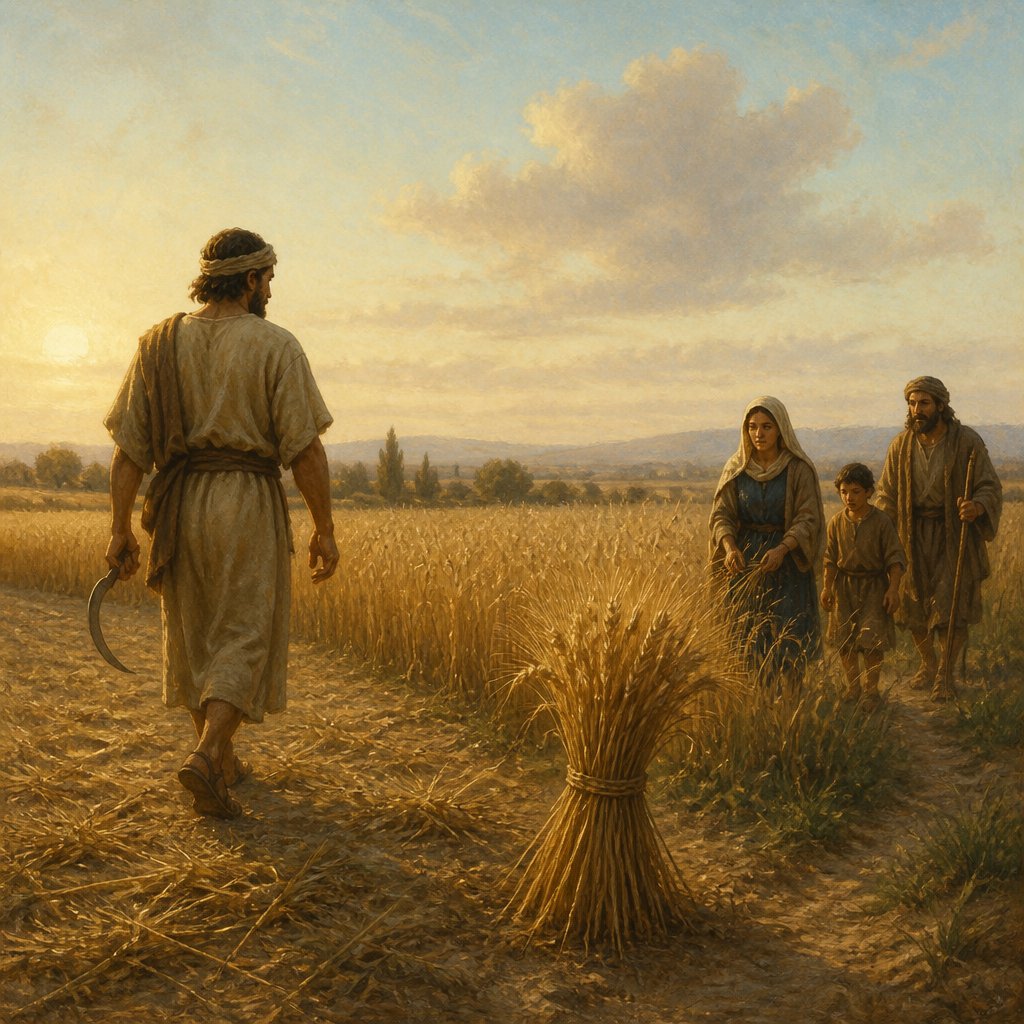
Deuteronomy 24:19 in the King James Version of the Bible reads, "When thou cuttest down thine harvest in thy field, and hast forgot a sheaf in the field, thou shalt not go again to fetch it: it shall be for the stranger, for the fatherless, and for the widow: that the Lord thy God may bless thee in all the work of thine hands."
This verse is part of the laws given to the Israelites by Moses, as they prepared to enter the Promised Land. The verse speaks to the principle of gleaning, which is the practice of leaving the corners of the fields and any dropped grain for the poor and needy to gather for themselves. It embodies the larger theme of caring for the less fortunate and the vulnerable in society, which is a consistent theme throughout the Bible.
The context of this verse is important in understanding its significance. The book of Deuteronomy is essentially a series of speeches given by Moses to the Israelites, in which he reiterates and expands upon the laws and commandments given by God. In Deuteronomy 24, Moses addresses various laws regarding marriage, divorce, and the treatment of the less fortunate. This verse specifically addresses the practice of gleaning, emphasizing the importance of leaving behind some of the harvest for the stranger, the fatherless, and the widow.
The principle of gleaning is also mentioned in other parts of the Bible, such as in the book of Ruth. In this book, Ruth, a widow and a foreigner, goes to glean in the fields of Boaz, a wealthy landowner. Boaz demonstrates the principle of gleaning by allowing Ruth to glean in his fields and even instructing his workers to deliberately leave behind extra grain for her to gather. This act of kindness and generosity ultimately leads to Ruth and Boaz's marriage and the continuation of the family line, demonstrating how obedience to the principle of gleaning can lead to unexpected blessings.
The symbolism in this verse is profound and multi-layered. On a surface level, it symbolizes the tangible provision for the less fortunate, demonstrating God's care and concern for those who are marginalized and in need. It also symbolizes the Israelites' role as stewards of the land and resources that God had given them. By leaving behind a portion of their harvest, they were acknowledging their dependence on God and their responsibility to care for others.
Furthermore, this verse also points to a deeper spiritual truth. In the New Testament, Jesus often speaks about the importance of caring for the poor and marginalized. In Matthew 25:35-36, he says, "For I was hungry and you gave me something to eat, I was thirsty and you gave me something to drink, I was a stranger and you invited me in, I needed clothes and you clothed me, I was sick and you looked after me, I was in prison and you came to visit me." Jesus identifies himself with the least of society, implying that when we care for the needy, we are also caring for him.
In conclusion, Deuteronomy 24:19 holds significant meaning and relevance for believers today. It serves as a reminder of our responsibility to care for the less fortunate and to be generous with what we have been given. It also points to the character of God, who is compassionate and just, and calls us to emulate his character in our treatment of others. This verse challenges us to consider how we can practically live out the principle of gleaning in our own lives, recognizing that by blessing others, we ourselves may also be blessed by the Lord.
Get our apps


Artwork for Deuteronomy 24:19
Deuteronomy 24:19 - "¶ When thou cuttest down thine harvest in thy field, and hast forgot a sheaf in the field, thou shalt not go again to fetch it: it shall be for the stranger, for the fatherless, and for the widow: that the LORD thy God may bless thee in all the work of thine hands."
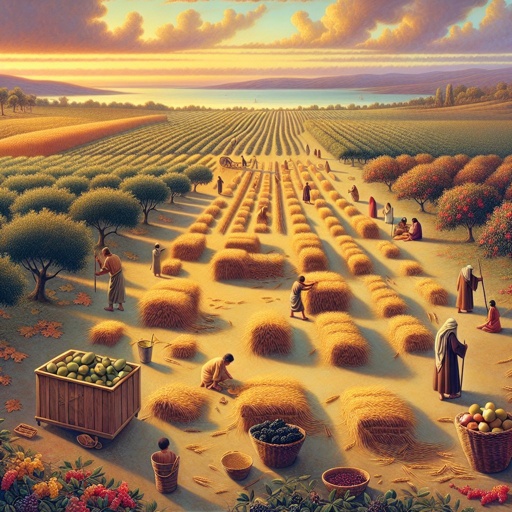
Deuteronomy 24:19-22 - "When you are harvesting in your field and you overlook a sheaf, do not go back to get it. Leave it for the foreigner, the fatherless and the widow, so that the Lord your God may bless you in all the work of your hands. When you beat the olives from your trees, do not go over the branches a second time. Leave what remains for the foreigner, the fatherless and the widow. When you harvest the grapes in your vineyard, do not go over the vines again. Leave what remains for the foreigner, the fatherless and the widow. Remember that you were slaves in Egypt. That is why I command you to do this."
"¶ When thou cuttest down thine harvest in thy field, and hast forgot a sheaf in the field, thou shalt not go again to fetch it: it shall be for the stranger, for the fatherless, and for the widow: that the LORD thy God may bless thee in all the work of thine hands." - Deuteronomy 24:19
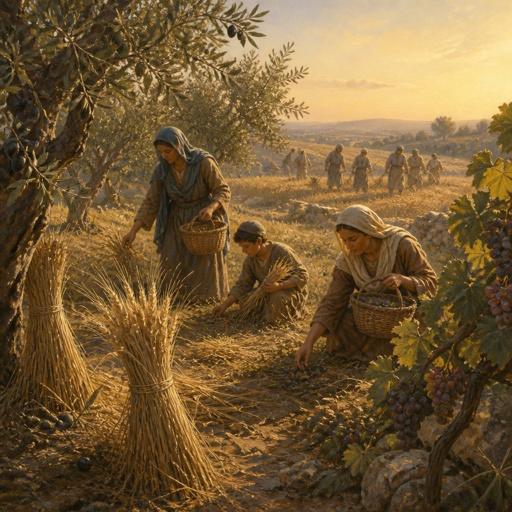
"When you are harvesting in your field and you overlook a sheaf, do not go back to get it. Leave it for the foreigner, the fatherless and the widow, so that the Lord your God may bless you in all the work of your hands. When you beat the olives from your trees, do not go over the branches a second time. Leave what remains for the foreigner, the fatherless and the widow. When you harvest the grapes in your vineyard, do not go over the vines again. Leave what remains for the foreigner, the fatherless and the widow. Remember that you were slaves in Egypt. That is why I command you to do this." - Deuteronomy 24:19-22

Deuteronomy 30:19:

Deuteronomy 5:19 - "Neither shalt thou steal."

Deuteronomy 24:12 - "And if the man be poor, thou shalt not sleep with his pledge:"

Genesis 24-19

Genesis 19-24

Genesis 19:24

Deuteronomy 4:24 - "For the LORD thy God is a consuming fire, even a jealous God."

Deuteronomy 12:24 - "Thou shalt not eat it; thou shalt pour it upon the earth as water."

Deuteronomy 1:24 - "And they turned and went up into the mountain, and came unto the valley of Eshcol, and searched it out."

2 Samuel 19:24

Deuteronomy 9:24 - "Ye have been rebellious against the LORD from the day that I knew you."

Deuteronomy 27:24 - "Cursed be he that smiteth his neighbour secretly. And all the people shall say, Amen."
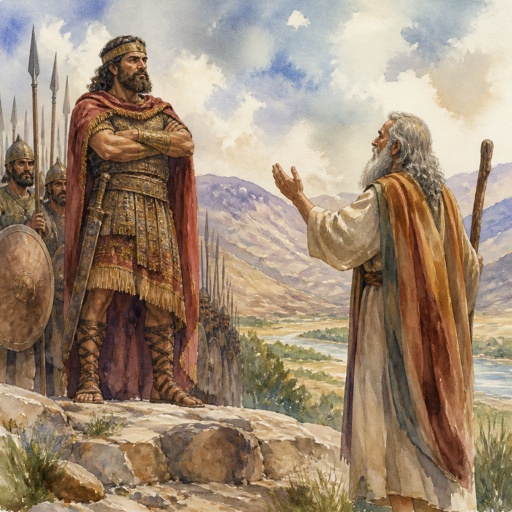
Sihon king of heshbon and Moses in Deuteronomy 2:24-37

Deuteronomy 24:17 - "¶ Thou shalt not pervert the judgment of the stranger, nor of the fatherless; nor take a widow's raiment to pledge:"

Deuteronomy 24:6 - "¶ No man shall take the nether or the upper millstone to pledge: for he taketh a man's life to pledge."

Deuteronomy 10:19 - "Love ye therefore the stranger: for ye were strangers in the land of Egypt."

Deuteronomy 14:19 - "And every creeping thing that flieth is unclean unto you: they shall not be eaten."

Deuteronomy 24:2 - "And when she is departed out of his house, she may go and be another man's wife."

"Neither shalt thou steal." - Deuteronomy 5:19

Deuteronomy 19:7 - "Wherefore I command thee, saying, Thou shalt separate three cities for thee."

Deuteronomy 6:19 - "To cast out all thine enemies from before thee, as the LORD hath spoken."

Job 19:24 - "That they were graven with an iron pen and lead in the rock for ever!"

Deuteronomy 24:21 - "When thou gatherest the grapes of thy vineyard, thou shalt not glean it afterward: it shall be for the stranger, for the fatherless, and for the widow."

Deuteronomy 24:22 - "And thou shalt remember that thou wast a bondman in the land of Egypt: therefore I command thee to do this thing."

Deuteronomy 31:24 - "¶ And it came to pass, when Moses had made an end of writing the words of this law in a book, until they were finished,"

Deuteronomy 19:19 - "Then shall ye do unto him, as he had thought to have done unto his brother: so shalt thou put the evil away from among you."