Leftovers of Grace: A Call to Generosity
“When thou beatest thine olive tree, thou shalt not go over the boughs again: it shall be for the stranger, for the fatherless, and for the widow.” — Deuteronomy 24:20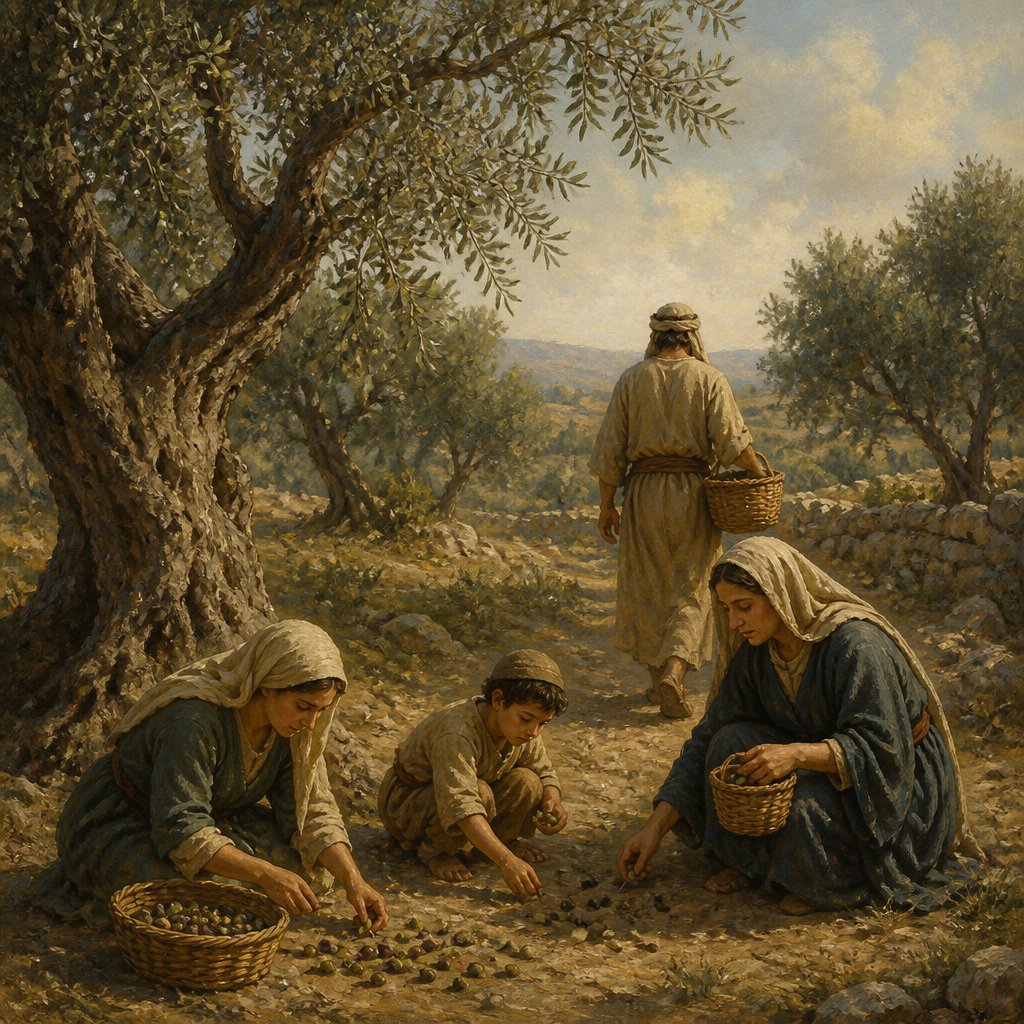
In the Book of Deuteronomy, we find ourselves nestled in a rich tapestry of laws that God instituted for His people. Among these divine instructions is Deuteronomy 24:20, which articulates a profound principle: "When thou beatest thine olive tree, thou shalt not go over the boughs again: it shall be for the stranger, for the fatherless, and for the widow" (KJV). This verse, while seemingly straightforward, opens a window into God’s heart for justice, mercy, and provision for the vulnerable.
To understand the weight of this verse, we must first unpack the agricultural context in which it was penned. Olive trees were a vital source of sustenance and commerce in ancient Israel. Harvesting olives was a labor-intensive task, and the technique often involved beating the boughs to gather the fruit. However, God instructed that farmers were not to be greedy or overly diligent with their harvest. Instead, they were to leave some olives on the tree for those who were less fortunate—the stranger (or foreigner), the fatherless, and the widow.
This instruction reveals a principle of generosity that transcends mere agricultural practice; it is a theological imperative rooted in the character of God. Every harvest is not solely for personal gain, but an opportunity to express compassion, kindness, and community support. This law reflects God’s concern for the marginalized and oppressed. It serves as a reminder to Israel—and to us today—that our prosperity genuinely belongs to God, and that we are stewards called to share our blessings with those in need.
In a contemporary context, the metaphor of the olive tree resonates well. Each of us has ‘trees’ in our lives—resources, talents, and opportunities that we cultivate. Are we hoarding our blessings, gathering them all for ourselves, or are we conscious of those around us who might benefit from the surplus? It invites us to consider how we can be conduits of God’s grace in a world that often emphasizes self-sufficiency and accumulation.
The prescriptions about leaving part of the harvest are reminiscent of the broader teachings of Jesus, who calls us to love our neighbors as ourselves (Mark 12:31). In doing so, we practice the twin virtues of generosity and justice. God’s heart beats for the vulnerable: the foreigner, the orphan, the widow—and there are many today who still fit these categories. In our busy lives, it can be easy to overlook those who are suffering or marginalized. The challenge is to embrace a lifestyle that prioritizes outreach over self-interest, and community over individualism.
Moreover, when we allow ourselves to leave some ‘boughs’ unharvested, we participate in God’s redemptive plan. By creating spaces for others to thrive—particularly those whom society tends to neglect—we reflect the character of God to the world around us. Our willingness to share what we have not only aids someone in need but enriches our own lives and faith. It cultivates in us a deeper understanding of what it means to live in community, a stark contrast to the individualistic pursuit modeled by modern culture.
Let us also consider the eternal implications of this principle. Every act of generosity, as small as it may seem, carries significance in the kingdom of God. Colossians 3:23-24 encourages us to work heartily as if for the Lord. When we serve others, we serve Christ. In this way, even our olive trees—our work, our resources—yield far more than simply material reward; they become instruments of blessing to others, echoing the ultimate gift God gave us through His Son.
In conclusion, as we meditate on Deuteronomy 24:20, let it spur us towards intentional acts of generosity. Let our hearts be moved for the stranger, the fatherless, and the widow, recognizing that when we choose to leave some of the harvest, we participate in a divine act of grace, inviting others to experience God’s love and provision through our hands.
Get our apps


Artwork for Deuteronomy 24:20

Deuteronomy 24:20 - "When thou beatest thine olive tree, thou shalt not go over the boughs again: it shall be for the stranger, for the fatherless, and for the widow."
"When thou beatest thine olive tree, thou shalt not go over the boughs again: it shall be for the stranger, for the fatherless, and for the widow." - Deuteronomy 24:20

Deuteronomy 20:16

Deuteronomy 20:16

Deuteronomy 20:16

Deuteronomy 24:12 - "And if the man be poor, thou shalt not sleep with his pledge:"
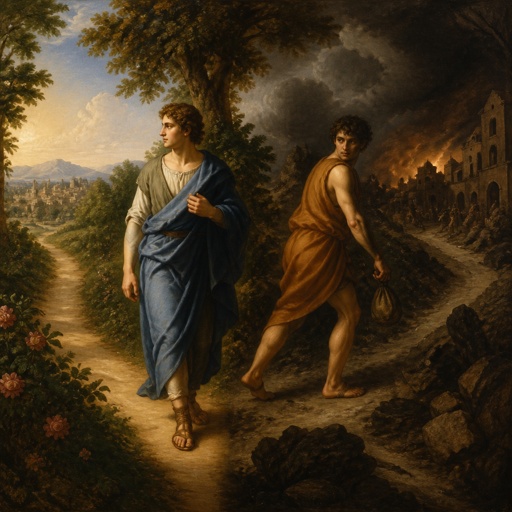
Proverbs 20:24

Create a picture of Deuteronomy 11:20

Genesis 24-20

Deuteronomy 4:24 - "For the LORD thy God is a consuming fire, even a jealous God."

Deuteronomy 22:20 - "But if this thing be true, and the tokens of virginity be not found for the damsel:"

Deuteronomy 14:20 - "But of all clean fowls ye may eat."

Deuteronomy 12:24 - "Thou shalt not eat it; thou shalt pour it upon the earth as water."

Leviticus 24:20-23

Deuteronomy 1:24 - "And they turned and went up into the mountain, and came unto the valley of Eshcol, and searched it out."

Deuteronomy 9:24 - "Ye have been rebellious against the LORD from the day that I knew you."

Deuteronomy 27:24 - "Cursed be he that smiteth his neighbour secretly. And all the people shall say, Amen."

Deuteronomy 5:20 - "Neither shalt thou bear false witness against thy neighbour."
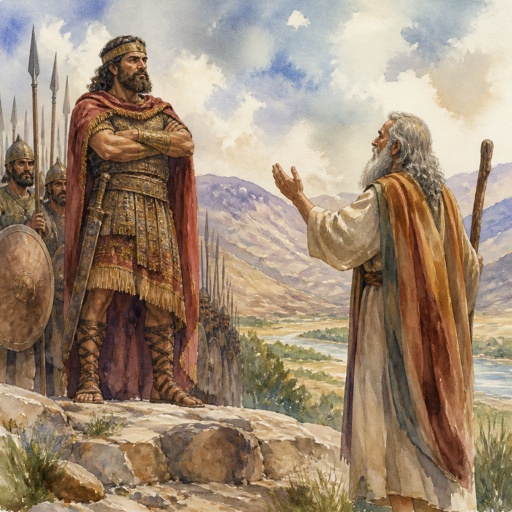
Sihon king of heshbon and Moses in Deuteronomy 2:24-37

Deuteronomy 24:17 - "¶ Thou shalt not pervert the judgment of the stranger, nor of the fatherless; nor take a widow's raiment to pledge:"

Deuteronomy 24:6 - "¶ No man shall take the nether or the upper millstone to pledge: for he taketh a man's life to pledge."

Deuteronomy 24:2 - "And when she is departed out of his house, she may go and be another man's wife."

Deuteronomy 20:12 - "And if it will make no peace with thee, but will make war against thee, then thou shalt besiege it:"

Deuteronomy 20:10 - "¶ When thou comest nigh unto a city to fight against it, then proclaim peace unto it."

Deuteronomy 24:21 - "When thou gatherest the grapes of thy vineyard, thou shalt not glean it afterward: it shall be for the stranger, for the fatherless, and for the widow."

Deuteronomy 24:22 - "And thou shalt remember that thou wast a bondman in the land of Egypt: therefore I command thee to do this thing."

Deuteronomy 31:24 - "¶ And it came to pass, when Moses had made an end of writing the words of this law in a book, until they were finished,"

2 Samuel 20:24 - "And Adoram was over the tribute: and Jehoshaphat the son of Ahilud was recorder:"

Deuteronomy 11:20 - "And thou shalt write them upon the door posts of thine house, and upon thy gates:"

Deuteronomy 20:20 - "Only the trees which thou knowest that they be not trees for meat, thou shalt destroy and cut them down; and thou shalt build bulwarks against the city that maketh war with thee, until it be subdued."