What does Deuteronomy 24:20 mean?
“When thou beatest thine olive tree, thou shalt not go over the boughs again: it shall be for the stranger, for the fatherless, and for the widow.” — Deuteronomy 24:20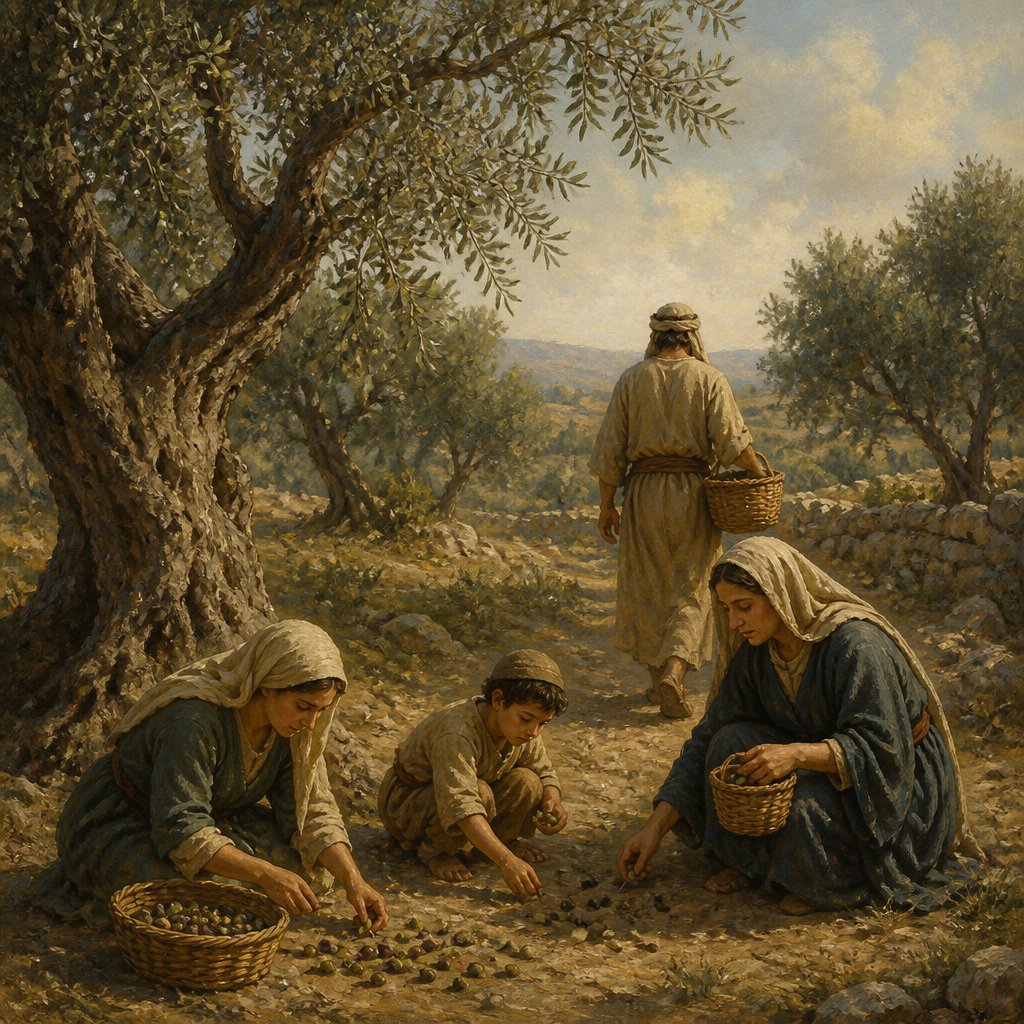
Deuteronomy 24:20 from the King James Version (KJV) of the Bible reads, “When thou beatest thine olive tree, thou shalt not go over the boughs again: it shall be for the stranger, for the fatherless, and for the widow.” This verse is part of the Old Testament book of Deuteronomy, which is the fifth book of the Bible and is attributed to Moses. The book of Deuteronomy contains a series of speeches given by Moses to the Israelites, reiterating the law and reminding them of God’s commands as they prepare to enter the Promised Land.
The verse in question is part of a larger section of laws and regulations that Moses is giving to the Israelites. Specifically, it is a command regarding the treatment of the poor and marginalized within society. This verse addresses the practice of harvesting olives, instructing the Israelites not to go over the boughs of the olive tree a second time, but to leave what remains for the stranger, the fatherless, and the widow.
The deeper meaning of this verse lies in the broader themes of justice, compassion, and provision for those in need. In biblical times, olives were a valuable and essential resource, providing oil for cooking, fuel for lamps, and an important commodity for trade. By instructing the Israelites to leave some of the olives for the marginalized members of society, this verse emphasizes the importance of caring for those who are less fortunate and ensuring that they have what they need to survive.
The context of this verse is important for understanding its significance. In ancient Israelite society, the widow, the fatherless, and the stranger (or foreigner) were particularly vulnerable and often lacked the means to provide for themselves. Therefore, it was the responsibility of the community to look after their needs and ensure that they were not overlooked or neglected. This verse serves as a reminder to the Israelites that they are called to show compassion and generosity towards those who are in a position of need.
Symbolically, the olive tree itself can represent a source of blessing and abundance. In the Bible, the olive tree is often associated with peace, prosperity, and the presence of God. Leaving some of the olives for the stranger, the fatherless, and the widow can be seen as a gesture of sharing God’s blessings with those who are less fortunate. It reflects the idea that everything ultimately belongs to God, and that we are simply stewards of the resources entrusted to us.
Additionally, this verse can also be seen as a reflection of God’s character and His concern for the marginalized. Throughout the Bible, God shows a special concern for the poor and vulnerable, and He calls His people to do the same. The principle found in this verse is echoed in other passages of Scripture that emphasize the importance of caring for the oppressed and providing for those in need.
In summary, Deuteronomy 24:20 from the King James Version of the Bible conveys a powerful message about justice, compassion, and provision for the marginalized in society. It serves as a reminder to treat others with kindness and generosity, and to ensure that everyone has access to the resources they need for survival. This verse is a reflection of God’s heart for the poor and marginalized, and it challenges us to consider how we can live out these principles in our own lives.
Get our apps


Artwork for Deuteronomy 24:20

Deuteronomy 24:20 - "When thou beatest thine olive tree, thou shalt not go over the boughs again: it shall be for the stranger, for the fatherless, and for the widow."
"When thou beatest thine olive tree, thou shalt not go over the boughs again: it shall be for the stranger, for the fatherless, and for the widow." - Deuteronomy 24:20

Deuteronomy 20:16

Deuteronomy 20:16

Deuteronomy 20:16

Deuteronomy 24:12 - "And if the man be poor, thou shalt not sleep with his pledge:"
Proverbs 20:24

Create a picture of Deuteronomy 11:20

Genesis 24-20

Deuteronomy 4:24 - "For the LORD thy God is a consuming fire, even a jealous God."

Deuteronomy 22:20 - "But if this thing be true, and the tokens of virginity be not found for the damsel:"

Deuteronomy 14:20 - "But of all clean fowls ye may eat."

Deuteronomy 12:24 - "Thou shalt not eat it; thou shalt pour it upon the earth as water."

Leviticus 24:20-23

Deuteronomy 1:24 - "And they turned and went up into the mountain, and came unto the valley of Eshcol, and searched it out."

Deuteronomy 9:24 - "Ye have been rebellious against the LORD from the day that I knew you."

Deuteronomy 27:24 - "Cursed be he that smiteth his neighbour secretly. And all the people shall say, Amen."

Deuteronomy 5:20 - "Neither shalt thou bear false witness against thy neighbour."
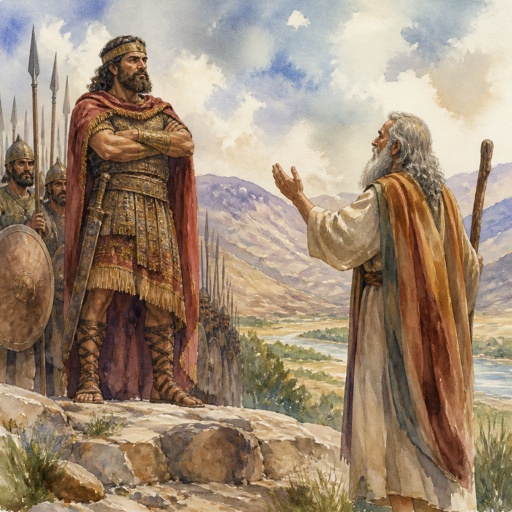
Sihon king of heshbon and Moses in Deuteronomy 2:24-37

Deuteronomy 24:17 - "¶ Thou shalt not pervert the judgment of the stranger, nor of the fatherless; nor take a widow's raiment to pledge:"

Deuteronomy 24:6 - "¶ No man shall take the nether or the upper millstone to pledge: for he taketh a man's life to pledge."

Deuteronomy 24:2 - "And when she is departed out of his house, she may go and be another man's wife."

Deuteronomy 20:12 - "And if it will make no peace with thee, but will make war against thee, then thou shalt besiege it:"

Deuteronomy 20:10 - "¶ When thou comest nigh unto a city to fight against it, then proclaim peace unto it."

Deuteronomy 24:21 - "When thou gatherest the grapes of thy vineyard, thou shalt not glean it afterward: it shall be for the stranger, for the fatherless, and for the widow."

Deuteronomy 24:22 - "And thou shalt remember that thou wast a bondman in the land of Egypt: therefore I command thee to do this thing."

Deuteronomy 31:24 - "¶ And it came to pass, when Moses had made an end of writing the words of this law in a book, until they were finished,"

2 Samuel 20:24 - "And Adoram was over the tribute: and Jehoshaphat the son of Ahilud was recorder:"

Deuteronomy 11:20 - "And thou shalt write them upon the door posts of thine house, and upon thy gates:"

Deuteronomy 20:20 - "Only the trees which thou knowest that they be not trees for meat, thou shalt destroy and cut them down; and thou shalt build bulwarks against the city that maketh war with thee, until it be subdued."