The Fruit of Blessing and the Oil of Loss
“Thou shalt have olive trees throughout all thy coasts, but thou shalt not anoint thyself with the oil; for thine olive shall cast his fruit.” — Deuteronomy 28:40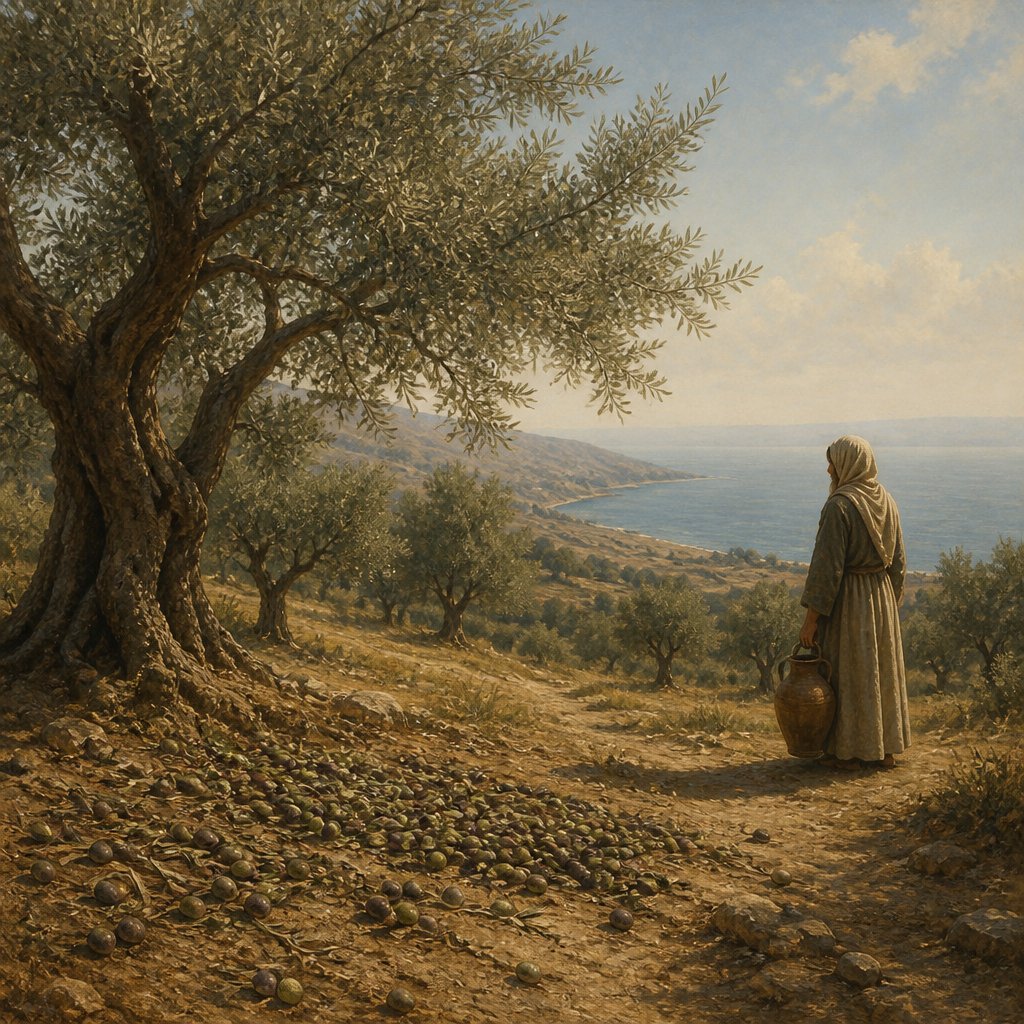
Deuteronomy 28:40 (KJV) states: "Thou shalt have olive trees throughout all thy coasts, but thou shalt not anoint thyself with the oil; for thine olive shall cast his fruit." This verse resonates deeply within the context of God’s blessings and the condition of our hearts in relation to those blessings.
In the Hebrew culture, olive trees are symbols of prosperity, peace, and divine favor. The olive fruit not only nourishes but also yields oil, which represents healing, anointing, and the presence of God. Here, Moses proclaims God’s promise of abundance to Israel: their land would be rich with olive trees, signifying potential blessings beyond measure. Yet, this verse comes with a haunting stipulation: although they are blessed with olive trees, they would not enjoy the fruits of their labor.
To understand the gravity of this situation, we must explore the implications of having fruit but not partaking in it. Imagine possessing a garden rich with the most exquisite fruits, yet being prohibited from tasting them. This scenario encapsulates the feeling of deprivation despite abundance. The Israelites' experience points to deeper spiritual truths about God's blessings and our relationship with Him.
The phrase "thou shalt not anoint thyself with the oil" conveys loss on a personal level—the oil represents not only material wealth but also divine favor and relationship with God. The promised abundance transforms into a burden when one realizes that the ability to enjoy those blessings may be taken away as a consequence of disobedience or unfaithfulness to God's commandments.
Throughout the book of Deuteronomy, we see that God repeatedly encourages His people to observe His laws so that they may inherit the land flowing with milk and honey. The spiritual principle here is quite clear: obedience leads to blessings, while disobedience leads to consequences. The Israelites were delivered from slavery and promised a prosperous land, yet they often faced chastisement due to their refusal to uphold their side of the covenant.
In a modern context, we can liken this to the blessings we often fail to appreciate or embrace due to our lifestyles or choices. Within the framework of personal faith, there are moments where we too experience the abundance of God's grace and favor but are unable to experience its fullness due to spiritual neglect. We might grasp achievement in our careers, family, or personal lives, but that doesn’t translate into joy or peace if we are not nurturing our relationship with God.
Moreover, the olive fruit, when cast, signifies a loss not just of the fruit itself, but of the potential for further growth and future harvest. It stands as a reminder of the consequences that often follow our choices. A life missed in communion with God can lead to a withering spirit, much like an olive tree stripped of its fruit. What a poignant imagery to consider: abundant resources still go to waste when we neglect to engage with these blessings as intended by their Creator.
As you meditate on Deuteronomy 28:40, reflect on your own life. Are there areas where you have been blessed abundantly, yet feel a lack in your spirit? Are you aware of the richness of God’s grace in your life but struggle to feel the fullness of it because of your distance from Him?
The essence of this verse invites us to examine our stewardship over blessings. God desires not just for us to have, but to partake, enjoy, and share the richness of His oil—the anointing of the Holy Spirit, the joy of His companionship, and the fruitfulness He instills in us. Let this be a clarion call to realign our hearts with God's intentions for our blessings. Let us seek not just the material abundance but the spiritual depth that accompanies knowing Him, taking delight in the anointing He offers us—because it isn’t merely the olive trees that define our inheritance; it is the joy found in the oil.
Get our apps


Artwork for Deuteronomy 28:40

Deuteronomy 28:40 - "Thou shalt have olive trees throughout all thy coasts, but thou shalt not anoint thyself with the oil; for thine olive shall cast his fruit."
"Thou shalt have olive trees throughout all thy coasts, but thou shalt not anoint thyself with the oil; for thine olive shall cast his fruit." - Deuteronomy 28:40

Exodus 40:28 - "¶ And he set up the hanging at the door of the tabernacle."

Deuteronomy 28:28 - "The LORD shall smite thee with madness, and blindness, and astonishment of heart:"

Deuteronomy 32:40 - "For I lift up my hand to heaven, and say, I live for ever."

Deuteronomy 1:40 - "But as for you, turn you, and take your journey into the wilderness by the way of the Red sea."

Ezekiel 40:28 - "And he brought me to the inner court by the south gate: and he measured the south gate according to these measures;"

Deuteronomy 28:5 - "Blessed shall be thy basket and thy store."
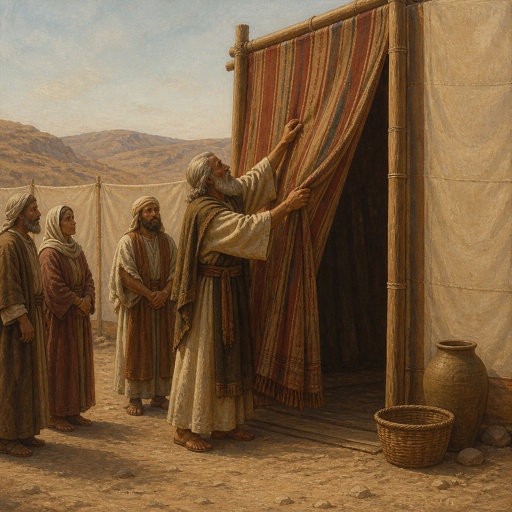
"¶ And he set up the hanging at the door of the tabernacle." - Exodus 40:28

Deuteronomy 28:17 - "Cursed shall be thy basket and thy store."

Deuteronomy 32:28 - "For they are a nation void of counsel, neither is there any understanding in them."

"The LORD shall smite thee with madness, and blindness, and astonishment of heart:" - Deuteronomy 28:28

Deuteronomy 28:16 - "Cursed shalt thou be in the city, and cursed shalt thou be in the field."

Deuteronomy 28:3 - "Blessed shalt thou be in the city, and blessed shalt thou be in the field."

Isaiah 40:28 - "¶ Hast thou not known? hast thou not heard, that the everlasting God, the LORD, the Creator of the ends of the earth, fainteth not, neither is weary? there is no searching of his understanding."

Deuteronomy 28:42 - "All thy trees and fruit of thy land shall the locust consume."

Deuteronomy 28:46 - "And they shall be upon thee for a sign and for a wonder, and upon thy seed for ever."

Exodus 28:40 - "¶ And for Aaron's sons thou shalt make coats, and thou shalt make for them girdles, and bonnets shalt thou make for them, for glory and for beauty."

Deuteronomy 28:34 - "So that thou shalt be mad for the sight of thine eyes which thou shalt see."
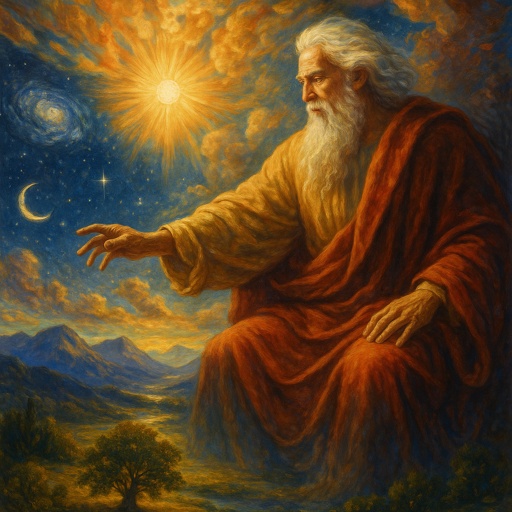
"¶ Hast thou not known? hast thou not heard, that the everlasting God, the LORD, the Creator of the ends of the earth, fainteth not, neither is weary? there is no searching of his understanding." - Isaiah 40:28

Deuteronomy 22:28 - "¶ If a man find a damsel that is a virgin, which is not betrothed, and lay hold on her, and lie with her, and they be found;"

Deuteronomy 28:27 - "The LORD will smite thee with the botch of Egypt, and with the emerods, and with the scab, and with the itch, whereof thou canst not be healed."

Deuteronomy 28:23 - "And thy heaven that is over thy head shall be brass, and the earth that is under thee shall be iron."

Deuteronomy 28:41 - "Thou shalt beget sons and daughters, but thou shalt not enjoy them; for they shall go into captivity."

Deuteronomy 28:47 - "Because thou servedst not the LORD thy God with joyfulness, and with gladness of heart, for the abundance of all things;"

Deuteronomy 28:50 - "A nation of fierce countenance, which shall not regard the person of the old, nor shew favour to the young:"

Deuteronomy 28:19 - "Cursed shalt thou be when thou comest in, and cursed shalt thou be when thou goest out."

"For I lift up my hand to heaven, and say, I live for ever." - Deuteronomy 32:40
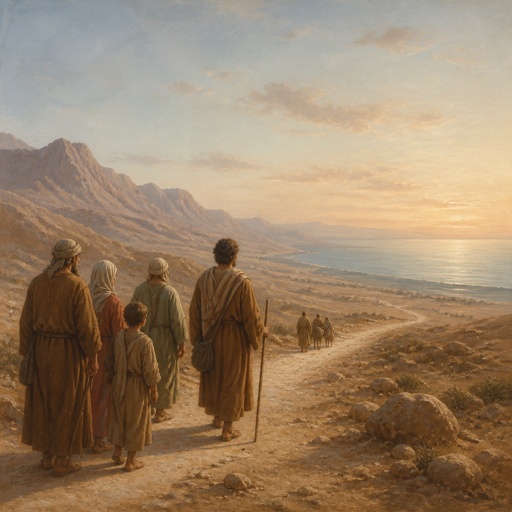
"But as for you, turn you, and take your journey into the wilderness by the way of the Red sea." - Deuteronomy 1:40

Deuteronomy 28:10 - "And all people of the earth shall see that thou art called by the name of the LORD; and they shall be afraid of thee."