The Wrath of God: A Prelude to His Sovereign Grace
“But the LORD was wroth with me for your sakes, and would not hear me: and the LORD said unto me, Let it suffice thee; speak no more unto me of this matter.” — Deuteronomy 3:26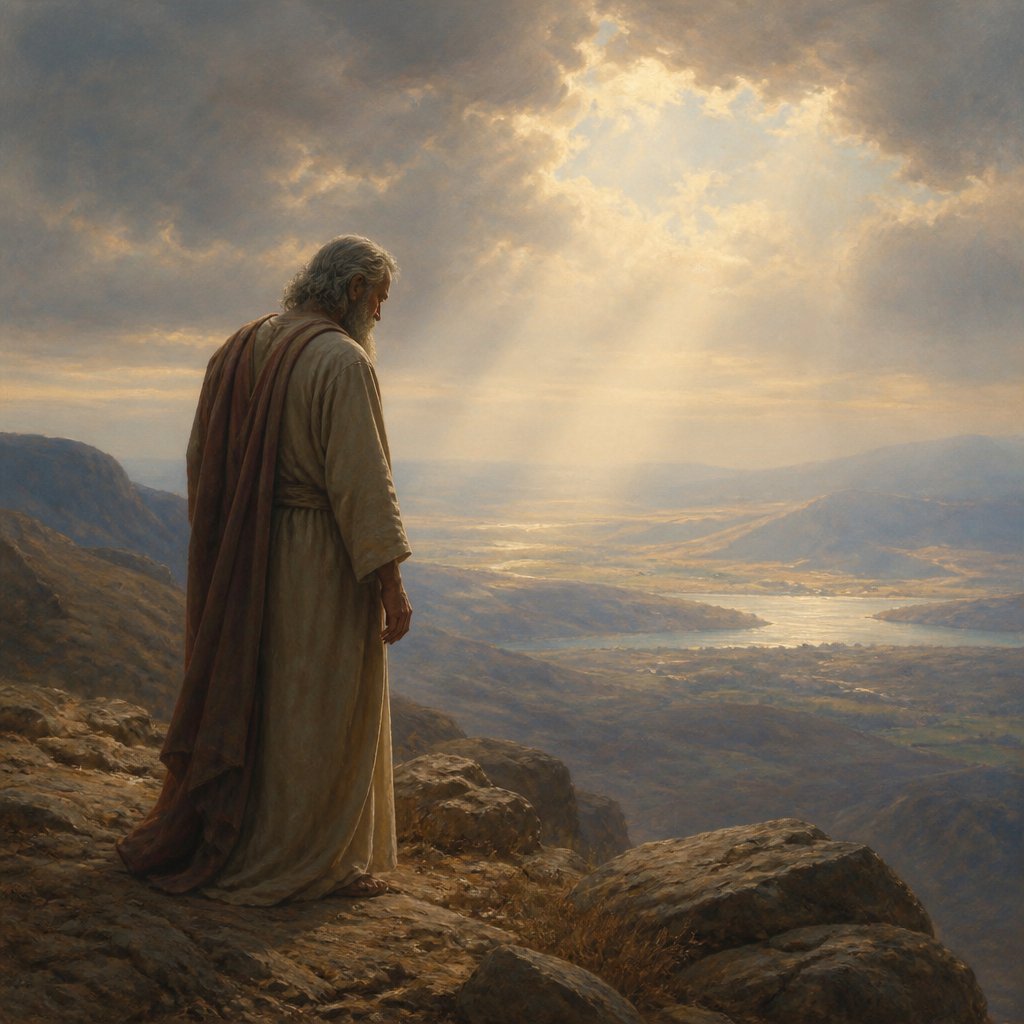
In Deuteronomy 3:26, we encounter a poignant moment in the life of Moses, one that encapsulates the tension between divine wrath and grace. The verse states: "But the LORD was wroth with me for your sakes, and would not hear me: and the LORD said unto me, Let it suffice thee; speak no more unto me of this matter." This moment serves as a reminder that our actions and decisions carry weight not just for ourselves but also for others.
As we delve into this verse, we see Moses reflecting on a past encounter with God where he pleaded to be allowed to enter the Promised Land. God’s response was one of frustration directed towards Moses, not solely because of Moses’ actions but rather for the impact that it had on the people. Moses, the faithful servant, was denied a beloved promise due to the failure of an entire generation. How sobering it is to realize that the consequences of our choices can resonate beyond our personal experiences and deeply affect the journey of those we lead.
Moses was not sent into the wilderness for individual failings alone; rather, his disobedience symbolized the collective disbelief of Israel. When we lead, we carry the responsibility of our people’s faith as they look to us for guidance. Moses’ leadership was to reflect God’s ideals, and in those moments of anger and disobedience, it became a stumbling block. This teaches us not only about accountability but also about the need for humility and acknowledgment of our failures before God and those we lead.
The intensity of God’s reaction—to not hear Moses—offers profound insight. God cherished the relationship He had with Moses but was compelled to take a firm stance. It is easy to assume that God’s anger means a permanent severance in friendship, yet this is not the case. God’s refusal to hear Moses wasn’t a sign of abandonment but a call to focus on what was essential—guiding the people toward the Promised Land despite Moses’ personal heartbreak.
What must we take from this? God's grace does not shield us from the ramifications of our actions but encourages us to redirect our focus. God gave Moses a task: he was to prepare the next generation. So, while he wrestled with his disappointment, he could still actively participate in God’s plan, shepherding the nation he loved.
Imagine the heartache Moses felt; he longed to see God’s promises fulfilled in his life. Nonetheless, God’s statement, "Let it suffice thee; speak no more unto me of this matter," can be interpreted as a divine nudge toward acceptance and reliance on God’s wisdom. It suggests that there are moments where we must cease our pleading and trust in God’s sovereign plan. Moses had to learn to offer his unfulfilled desires to God and find solace in the purpose still bestowed upon him.
In our own lives, we may find ourselves in similar positions where we feel denied the desires of our hearts, often for reasons we cannot understand. Instead of dwelling on disappointment, we can choose to focus on what God is doing through our circumstances. We might not see the end of the journey but rest in the promise that God uses every situation for His glory and our growth.
Let us reflect on our walk with God. Are there areas where we find ourselves wrestling with unfulfilled promises or personal failings? Instead of becoming discouraged, we can turn those feelings into thanksgiving for the lessons learned through our trials.
In conclusion, Deuteronomy 3:26 teaches us about the interplay between God’s wrath and His grace. It reminds us that even in our mistakes, there remains an opportunity to serve and minister to others. As we surrender to His will, we join the greater narrative of God’s redemptive plan. Let us learn from Moses, who, despite his sorrow, continued to lead a people toward a promise yet realized. May we do the same, trusting that, just as God worked in Moses' life, He is working in ours.
Get our apps


Artwork for Deuteronomy 3:26

Deuteronomy 3:26 - "But the LORD was wroth with me for your sakes, and would not hear me: and the LORD said unto me, Let it suffice thee; speak no more unto me of this matter."
"But the LORD was wroth with me for your sakes, and would not hear me: and the LORD said unto me, Let it suffice thee; speak no more unto me of this matter." - Deuteronomy 3:26

Deuteronomy 26:4-10

Deuteronomy 26:4-10

Deuteronomy 26:3 - "And thou shalt go unto the priest that shall be in those days, and say unto him, I profess this day unto the LORD thy God, that I am come unto the country which the LORD sware unto our fathers for to give us."

Deuteronomy 11:26 - "¶ Behold, I set before you this day a blessing and a curse;"

Deuteronomy 26:6 - "And the Egyptians evil entreated us, and afflicted us, and laid upon us hard bondage:"

Deuteronomy 1:26 - "Notwithstanding ye would not go up, but rebelled against the commandment of the LORD your God:"

Deuteronomy 27:26 - "Cursed be he that confirmeth not all the words of this law to do them. And all the people shall say, Amen."

Deuteronomy 2:26 - "¶ And I sent messengers out of the wilderness of Kedemoth unto Sihon king of Heshbon with words of peace, saying,"

Deuteronomy 26:9 - "And he hath brought us into this place, and hath given us this land, even a land that floweth with milk and honey."

Deuteronomy 26:8 - "And the LORD brought us forth out of Egypt with a mighty hand, and with an outstretched arm, and with great terribleness, and with signs, and with wonders:"

Deuteronomy 26:4 - "And the priest shall take the basket out of thine hand, and set it down before the altar of the LORD thy God."

Deuteronomy 31:26 - "Take this book of the law, and put it in the side of the ark of the covenant of the LORD your God, that it may be there for a witness against thee."

Deuteronomy 33:26 - "¶ There is none like unto the God of Jeshurun, who rideth upon the heaven in thy help, and in his excellency on the sky."

Isaiah 26:3

Deuteronomy 5:26 - "For who is there of all flesh, that hath heard the voice of the living God speaking out of the midst of the fire, as we have, and lived?"

Deuteronomy 29:26 - "For they went and served other gods, and worshipped them, gods whom they knew not, and whom he had not given unto them:"

Deuteronomy 28:26 - "And thy carcase shall be meat unto all fowls of the air, and unto the beasts of the earth, and no man shall fray them away."

Deuteronomy 3:15 - "And I gave Gilead unto Machir."

Deuteronomy 32:26 - "I said, I would scatter them into corners, I would make the remembrance of them to cease from among men:"
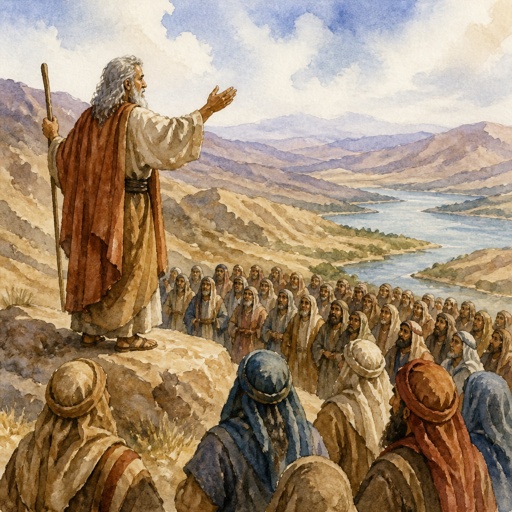
Moses addressing the people in Deuteronomy 3

Deuteronomy 3:23 - "And I besought the LORD at that time, saying,"

Deuteronomy 26:1 - "And it shall be, when thou art come in unto the land which the LORD thy God giveth thee for an inheritance, and possessest it, and dwellest therein;"

Deuteronomy 14:3 - "¶ Thou shalt not eat any abominable thing."

Deuteronomy 26:18 - "And the LORD hath avouched thee this day to be his peculiar people, as he hath promised thee, and that thou shouldest keep all his commandments;"

"¶ Behold, I set before you this day a blessing and a curse;" - Deuteronomy 11:26
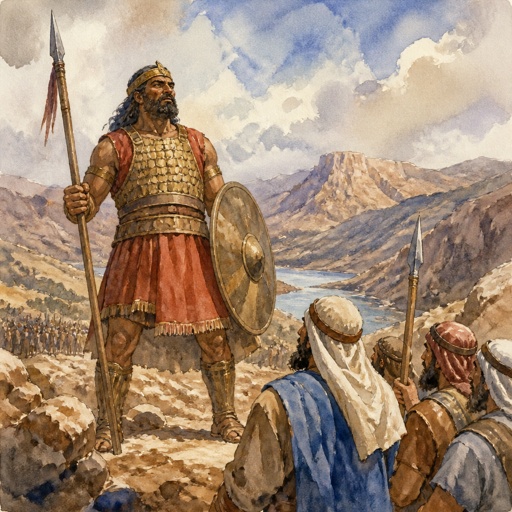
King Og Deuteronomy 3:1-11

Deuteronomy 26:7 - "And when we cried unto the LORD God of our fathers, the LORD heard our voice, and looked on our affliction, and our labour, and our oppression:"

Deuteronomy 12:26 - "Only thy holy things which thou hast, and thy vows, thou shalt take, and go unto the place which the LORD shall choose:"