Embracing the Promised Land: Lessons from Deuteronomy 34:2
“And all Naphtali, and the land of Ephraim, and Manasseh, and all the land of Judah, unto the utmost sea,” — Deuteronomy 34:2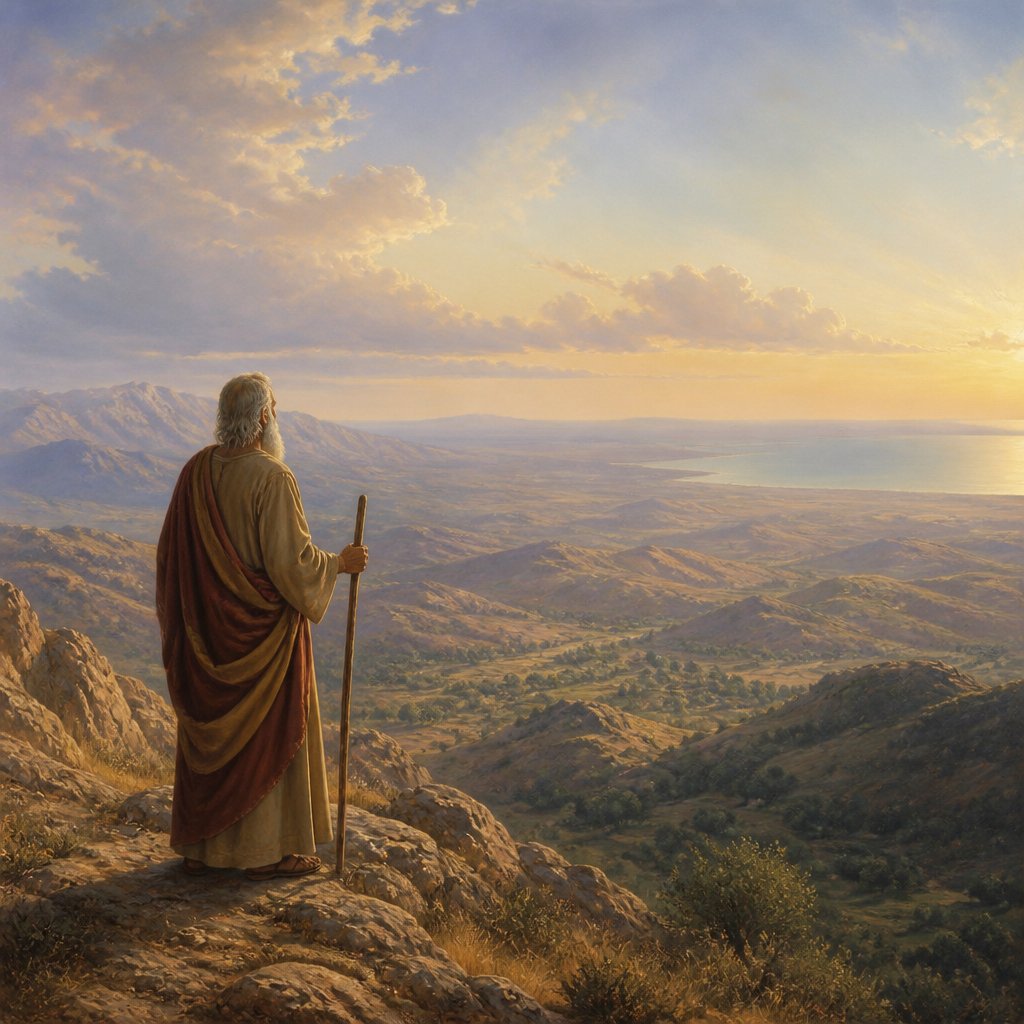
The Book of Deuteronomy is pivotal in understanding not only the journey of the Israelites but also God's purpose for His people. The passage we consider today, Deuteronomy 34:2, states, "And all Naphtali, and the land of Ephraim, and Manasseh, and all the land of Judah, unto the utmost sea." In this moment, Moses is at the cusp of what he has spent his life striving for—the Promised Land. And yet, he stands at the border, having been denied entry due to earlier disobedience.
At first glance, one might perceive this verse as a mere geographical description. However, it presents layers of significance that can provide a profound reflection on our own spiritual journeys.
### The Geography of God's Promises
Each tribe mentioned—Naphtali, Ephraim, Manasseh, and Judah—represents not only a geographical region but a category of blessings lined up for the people of Israel. Naphtali signifies freedom and fruitfulness, Ephraim represents bountifulness, Manasseh (whose name means "to forget") stands for the ability to forget past struggles and enjoy new beginnings, and Judah symbolizes praise. In essence, Moses is not just recounting territory but highlighting the varied blessings that Israel will experience, each tribe reflecting a different aspect of God's promise.
### Heart of a Leader
Moses’ perspective in this passage is also instructive. He had dedicated his life to leading the Israelites out of Egypt, through the wilderness, overcoming challenges, and teaching them about God’s covenant. As he stands on the brink of the Promised Land, we see a man filled with both hope and sorrow. His heart beats for God’s people, and his legacy will carry into the future, shaping lives for generations to come.
The emotional depth in this scenario encourages us to reflect on the leaders in our lives. Who has paved the way for our spiritual journeys? Parents, pastors, mentors, or anyone who has poured their life into guiding us toward God’s promises. Acknowledging these relationships allows us to honor the sacrifices made by others so we can stand firmly in our faith today.
### Lessons from the Wilderness
Moses' inability to enter the Promised Land serves as a poignant reminder of the consequences of disobedience. Despite leading the Israelites through the wilderness for 40 years, witnessing miraculous wonders and God’s provision, he fell short when he let frustration drive him to strike the rock instead of speaking to it as God commanded (Numbers 20:12).
This narrative warns us that even faithful servants can stumble. However, it also shows that God's purposes are often greater than our understanding. What seems like a failure can yield opportunities for others who follow. In this way, Moses’ story is not one of personal tragedy but rather a catalyst for future generations—a reminder that sometimes our journeys may culminate not in personal gain but in the fulfillment of a broader divine purpose.
### The Utmost Sea
The ultimate sea mentioned in this passage symbolizes the farthest reaches of God's plan and blessings. It invites us to envision the vastness of what God has prepared for His people—things far beyond what we could ask or think (Ephesians 3:20).
As we reflect on this passage, we should humbly consider how we are positioning ourselves in receiving God’s blessings. Are there areas of our lives where we are holding back in faith? Just as those tribes were promised specific territories, what has God laid before us to claim?
### Conclusion
In closing, let us take Deuteronomy 34:2 as a solemn yet hopeful reminder. We are called to explore the depths of our promised inheritances while understanding that the journey often involves moments of struggle, guidance, and community. Just as the Israelites were given a land filled with promise, we too are called to explore the treasures of God’s kingdom, dedicated to living in a way that reflects our deepest gratitude for His relentless love and faithfulness.
Get our apps


Artwork for Deuteronomy 34:2

Deuteronomy 34:2 - "And all Naphtali, and the land of Ephraim, and Manasseh, and all the land of Judah, unto the utmost sea,"
"And all Naphtali, and the land of Ephraim, and Manasseh, and all the land of Judah, unto the utmost sea," - Deuteronomy 34:2

Deuteronomy 2:34 - "And we took all his cities at that time, and utterly destroyed the men, and the women, and the little ones, of every city, we left none to remain:"

Deuteronomy 34:5-6

Deuteronomy 34:1-4 – Moses views the Promised Land from Mount Nebo.

Deuteronomy 34:1-4 – Moses views the Promised Land from Mount Nebo.

Deuteronomy 34:1-4 – Moses views the Promised Land from Mount Nebo.

Deuteronomy 1:34 - "And the LORD heard the voice of your words, and was wroth, and sware, saying,"

Deuteronomy 34:1-4 – Moses views the Promised Land from Mount Nebo.

Deuteronomy 34:1-4 – Moses views the Promised Land from Mount Nebo.

Deuteronomy 34:3 - "And the south, and the plain of the valley of Jericho, the city of palm trees, unto Zoar."

Deuteronomy 34:1-4 – Moses views the Promised Land from Mount Nebo.

Deuteronomy 34:1-4 – Moses views the Promised Land from Mount Nebo.

Deuteronomy 32:34 - "Is not this laid up in store with me, and sealed up among my treasures?"

Deuteronomy 34:5 - "¶ So Moses the servant of the LORD died there in the land of Moab, according to the word of the LORD."

Deuteronomy 34:10 - "¶ And there arose not a prophet since in Israel like unto Moses, whom the LORD knew face to face,"

Deuteronomy 28:34 - "So that thou shalt be mad for the sight of thine eyes which thou shalt see."

Deuteronomy 34:12 - "And in all that mighty hand, and in all the great terror which Moses shewed in the sight of all Israel."

Deuteronomy 34:8 - "¶ And the children of Israel wept for Moses in the plains of Moab thirty days: so the days of weeping and mourning for Moses were ended."

Deuteronomy 34:7 - "¶ And Moses was an hundred and twenty years old when he died: his eye was not dim, nor his natural force abated."

Deuteronomy 34:6 - "And he buried him in a valley in the land of Moab, over against Beth-peor: but no man knoweth of his sepulchre unto this day."

Deuteronomy 34:11 - "In all the signs and the wonders, which the LORD sent him to do in the land of Egypt to Pharaoh, and to all his servants, and to all his land,"
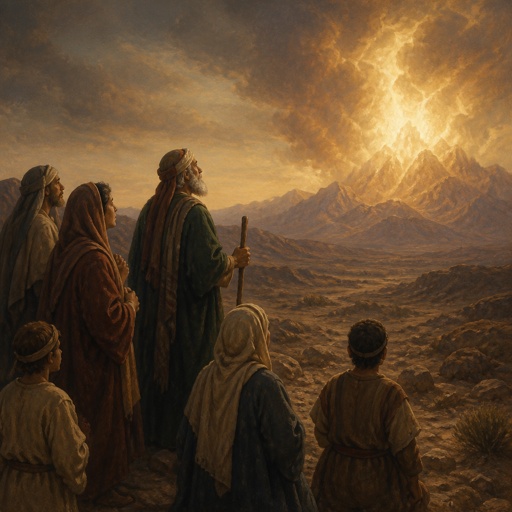
"And the LORD heard the voice of your words, and was wroth, and sware, saying," - Deuteronomy 1:34
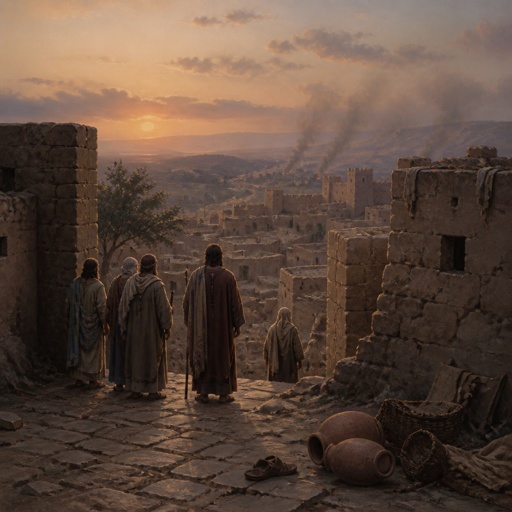
"And we took all his cities at that time, and utterly destroyed the men, and the women, and the little ones, of every city, we left none to remain:" - Deuteronomy 2:34
"Is not this laid up in store with me, and sealed up among my treasures?" - Deuteronomy 32:34
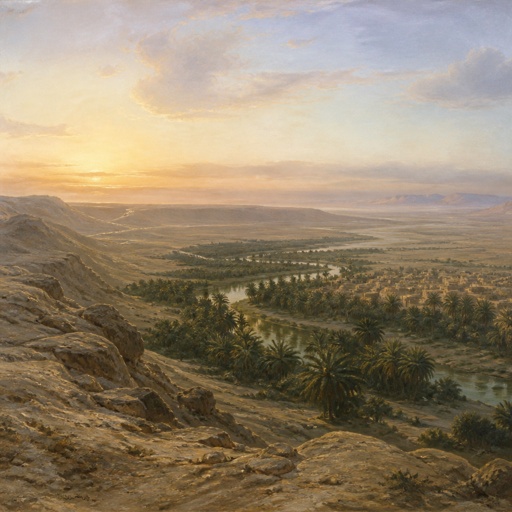
"And the south, and the plain of the valley of Jericho, the city of palm trees, unto Zoar." - Deuteronomy 34:3

Deuteronomy 28:34 - "So that thou shalt be mad for the sight of thine eyes which thou shalt see."

Deuteronomy 34:9 - "¶ And Joshua the son of Nun was full of the spirit of wisdom; for Moses had laid his hands upon him: and the children of Israel hearkened unto him, and did as the LORD commanded Moses."

Deuteronomy 34:1 - "And Moses went up from the plains of Moab unto the mountain of Nebo, to the top of Pisgah, that is over against Jericho. And the LORD shewed him all the land of Gilead, unto Dan,"

2 Chronicles 34:19