Seeing the Promise from Pisgah: Trusting God at the Edge of Fulfillment
“And Moses went up from the plains of Moab unto the mountain of Nebo, to the top of Pisgah, that is over against Jericho. And the LORD shewed him all the land of Gilead, unto Dan,” — Deuteronomy 34:1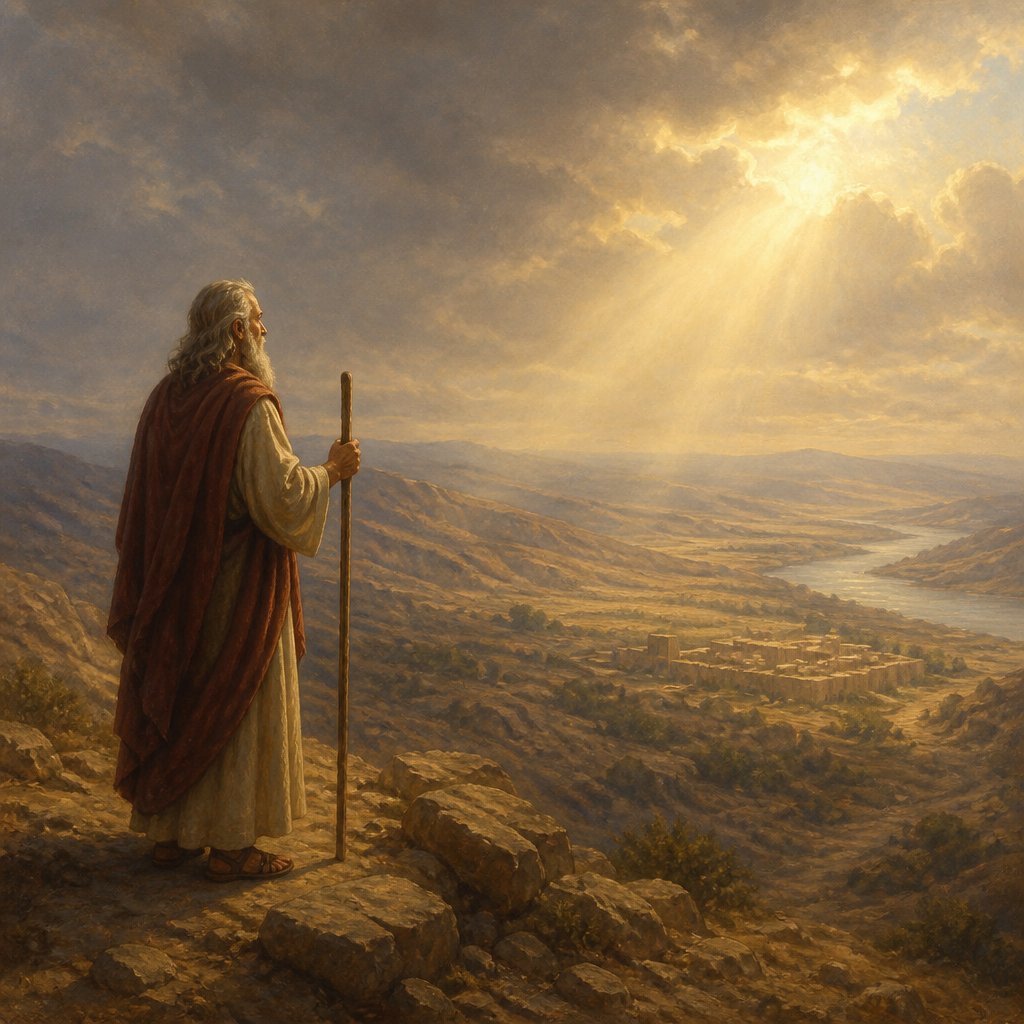
“And Moses went up from the plains of Moab unto the mountain of Nebo, to the top of Pisgah, that is over against Jericho. And the LORD shewed him all the land of Gilead, unto Dan,” (Deuteronomy 34:1, KJV).
Deuteronomy 34:1 places us at one of the most tender and sobering scenes in Scripture. Moses—leader, intercessor, prophet, and shepherd of a stubborn people—ascends from the “plains of Moab” to “the mountain of Nebo,” “to the top of Pisgah.” He climbs not to claim a victory for himself, but to look upon a promise he will not personally enter. There are moments in the Christian life that feel like Pisgah: you obey, you climb, you continue, and then you realize God is asking you to trust Him at the very edge of what you longed to see completed.
Notice the simplicity and strength of Moses’ action: “And Moses went up.” The verse does not describe him arguing, delaying, or bargaining. Moses moves toward God’s instruction, even when the outcome is bittersweet. Mature faith is not proven only by enthusiasm when doors swing wide; it is also proven by obedience when the path leads to a vantage point rather than a possession. Some assignments are fulfilled not by holding them in your hands, but by honoring God with your steps until He says, “Look.”
Then comes a stunning phrase: “And the LORD shewed him.” Moses does not discover the land by his own effort; God Himself reveals it. The view from Pisgah is not merely a reward for endurance—it is a gift of divine disclosure. There are things God must “shew” us: not only where we are going, but how He has been faithful. Sometimes the Lord grants a holy perspective late in the journey, when we are finally quiet enough to see. From that height, Moses is permitted to behold what had been promised across generations. The land is real. The promise stands. God has not forgotten.
Yet the tenderness deepens: God shows Moses “all the land.” Moses sees broadly, not narrowly. He is allowed to view the expanse, “all the land of Gilead, unto Dan,” a sweeping testimony that what God pledged is larger than one person’s lifetime. Here is a crucial spiritual lesson: God’s purposes often extend beyond our personal timeline. We live in a culture that measures value by immediate outcomes, but Scripture often measures faithfulness by obedience and trust. Moses’ life reminds us that success in God’s kingdom is not always identical with finishing every visible task; sometimes it is finishing your race with faith intact, leaving the next steps in God’s hands.
Pisgah also teaches us that God can be good even when He says “not in the way you expected.” Moses does not enter the land, but he is not abandoned. The Lord brings him up, and the Lord shows him. Even at a boundary line, God is present, guiding, revealing, and confirming. For the believer, this is a profound comfort: the nearness of God is not reserved only for seasons of arrival. The Lord meets us in transitions, in endings, in handoffs, and in holy closures.
There is another gentle truth here: Moses goes up from “the plains of Moab.” Plains suggest routine—ordinary days, long stretches of waiting, repetitive obedience. Many of life’s most important spiritual moments are preceded by plains seasons—years when faithfulness feels unglamorous. But God wastes nothing. The same Lord who sustains you in the plains is the Lord who can, in His time, lead you to a mountaintop view. Do not despise the plains; they are often the training ground for clearer sight.
When you find yourself on your own “Pisgah,” facing a situation where you can see what God is doing but cannot control how it unfolds, remember this: it is still God who “shew”s. Your role is to “go up”—to keep obeying, keep praying, keep trusting. God may be calling you to plant seeds you will not personally harvest, to build something others will complete, or to bless someone who will walk into opportunities you only glimpsed. That is not failure; that is faithfulness.
Pray today for the grace to obey like Moses, to climb when God calls, and to accept God’s perspective as a gift. Ask the Lord to help you rejoice that His promises are bigger than your lifespan, and that His faithfulness is not measured by your control but by His covenant. If you can only see the land from a distance right now, take heart: the God who promised is still the God who shows—and what He shows is enough to prove He will finish what He began.
Get our apps


Artwork for Deuteronomy 34:1

Deuteronomy 34:1-4 – Moses views the Promised Land from Mount Nebo.

Deuteronomy 34:1-4 – Moses views the Promised Land from Mount Nebo.

Deuteronomy 34:1-4 – Moses views the Promised Land from Mount Nebo.

Deuteronomy 34:1-4 – Moses views the Promised Land from Mount Nebo.

Deuteronomy 34:1-4 – Moses views the Promised Land from Mount Nebo.

Deuteronomy 34:1-4 – Moses views the Promised Land from Mount Nebo.

Deuteronomy 34:1-4 – Moses views the Promised Land from Mount Nebo.

Deuteronomy 34:1 - "And Moses went up from the plains of Moab unto the mountain of Nebo, to the top of Pisgah, that is over against Jericho. And the LORD shewed him all the land of Gilead, unto Dan,"
!["And Moses went up from the plains of Moab unto the mountain of Nebo, to the top of Pisgah, that [is] over against Jericho. And the LORD shewed him all the land of Gilead, unto Dan," - Deuteronomy 34:1](https://media.bible.art/7f85395f-7a9f-49f5-b3b4-fd14f26c1d29-thumbnail.jpg)
"And Moses went up from the plains of Moab unto the mountain of Nebo, to the top of Pisgah, that [is] over against Jericho. And the LORD shewed him all the land of Gilead, unto Dan," - Deuteronomy 34:1
"And Moses went up from the plains of Moab unto the mountain of Nebo, to the top of Pisgah, that is over against Jericho. And the LORD shewed him all the land of Gilead, unto Dan," - Deuteronomy 34:1

Deuteronomy 1:34 - "And the LORD heard the voice of your words, and was wroth, and sware, saying,"
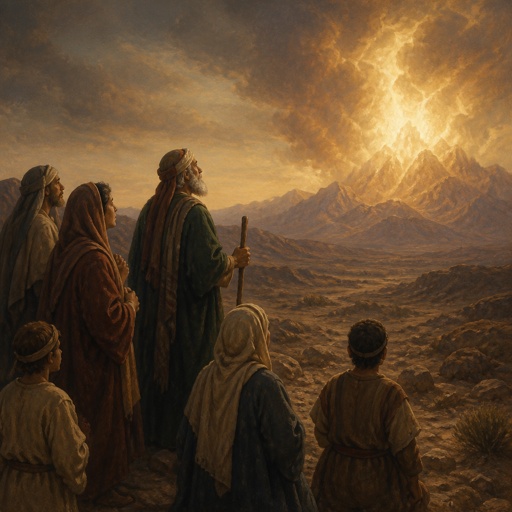
"And the LORD heard the voice of your words, and was wroth, and sware, saying," - Deuteronomy 1:34

Deuteronomy 34:5-6

Deuteronomy 34:3 - "And the south, and the plain of the valley of Jericho, the city of palm trees, unto Zoar."

Deuteronomy 32:34 - "Is not this laid up in store with me, and sealed up among my treasures?"

Deuteronomy 34:5 - "¶ So Moses the servant of the LORD died there in the land of Moab, according to the word of the LORD."

Deuteronomy 34:10 - "¶ And there arose not a prophet since in Israel like unto Moses, whom the LORD knew face to face,"

Deuteronomy 34:2 - "And all Naphtali, and the land of Ephraim, and Manasseh, and all the land of Judah, unto the utmost sea,"

Deuteronomy 28:34 - "So that thou shalt be mad for the sight of thine eyes which thou shalt see."

Deuteronomy 34:12 - "And in all that mighty hand, and in all the great terror which Moses shewed in the sight of all Israel."

Deuteronomy 34:8 - "¶ And the children of Israel wept for Moses in the plains of Moab thirty days: so the days of weeping and mourning for Moses were ended."

Deuteronomy 34:7 - "¶ And Moses was an hundred and twenty years old when he died: his eye was not dim, nor his natural force abated."

Deuteronomy 34:6 - "And he buried him in a valley in the land of Moab, over against Beth-peor: but no man knoweth of his sepulchre unto this day."

Deuteronomy 34:11 - "In all the signs and the wonders, which the LORD sent him to do in the land of Egypt to Pharaoh, and to all his servants, and to all his land,"

Deuteronomy 2:34 - "And we took all his cities at that time, and utterly destroyed the men, and the women, and the little ones, of every city, we left none to remain:"
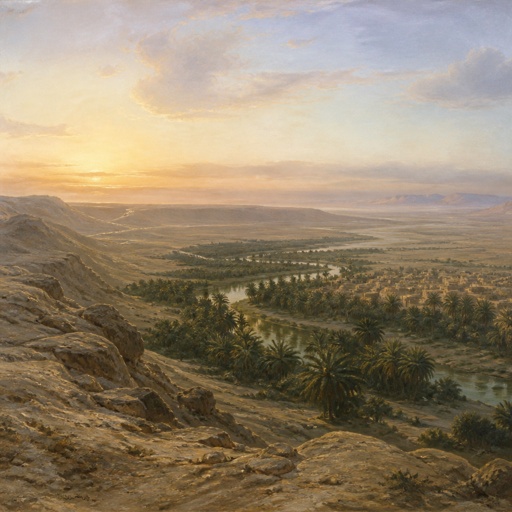
"And the south, and the plain of the valley of Jericho, the city of palm trees, unto Zoar." - Deuteronomy 34:3
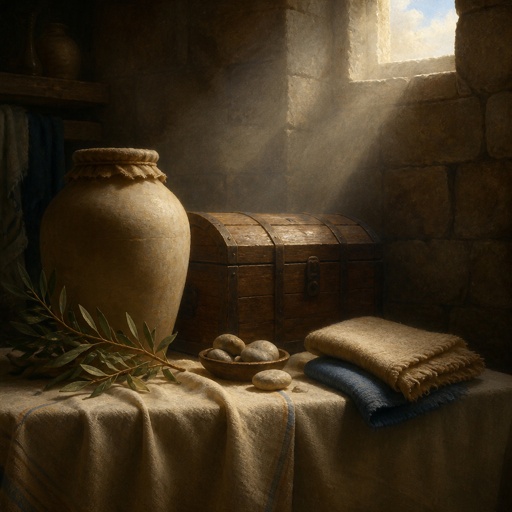
"Is not this laid up in store with me, and sealed up among my treasures?" - Deuteronomy 32:34

Deuteronomy 28:34 - "So that thou shalt be mad for the sight of thine eyes which thou shalt see."

Deuteronomy 34:9 - "¶ And Joshua the son of Nun was full of the spirit of wisdom; for Moses had laid his hands upon him: and the children of Israel hearkened unto him, and did as the LORD commanded Moses."

Dopsalms 34:1-12