The Weight of Witness: Learning from the Fall of Baal-Peor
“Your eyes have seen what the LORD did because of Baal-peor: for all the men that followed Baal-peor, the LORD thy God hath destroyed them from among you.” — Deuteronomy 4:3
Deuteronomy 4:3 (KJV) states, "Your eyes have seen what the LORD did because of Baal-peor: for all the men that followed Baal-peor, the LORD thy God hath destroyed them from among you." Within this verse lies a profound lesson that resonates through centuries, challenging us to consider the gravity of our choices and the mercy of our God.
As we delve into the context of this verse, we discover that Baal-Peor was a site of temptation for the Israelites as they dwelled in the plains of Moab. This challenge came as the people prepared to enter the Promised Land, a transition fraught with danger from both external enemies and internal moral decay. At Baal-Peor, the Israelites were seduced into idolatry and sexual immorality through the influence of the Moabite women, who led them away from the covenant faithfulness to God.
The starkness of this verse is a reminder of the consequences of turning away from God. Those who followed Baal-Peor faced immediate destruction. It is crucial to say that God's judgment was not arbitrary but rooted in His holiness and covenant with His people. By worshiping false gods and disobedience, His chosen were severing the vital relationship of trust and loyalty that defined their existence as His people. Their proximity to the promises of God did not exempt them from the consequences of their actions; in fact, it heightened the seriousness of their rebellion.
When the text says, "Your eyes have seen," we are invited to remember the pivotal lessons from the past. Witnessing the destruction of those who erred aligns with the biblical principle that we must learn from the mistakes of others. It echoes the call found throughout Scripture to heed the warnings of such occurrences. The Israelites were not just observers; they were participants in the narrative of divine justice, endowed with the opportunity to reflect on what it means to remain faithful to God.
Our world mirrors this ancient struggle, where faith is often drowned out by the loud cries of cultural trends and moral relativism. The temptation to conform to societal norms can lead us to the precipice of our own Baal-Peor. We must ask ourselves: What idols have we set up in our lives? What aspects of modern culture urge us to compromise our faith? The call of Deuteronomy prompts us to examine our lives and examine whether we stand firmly on God’s side or capitulate to the easier pathways of sin that lead away from Him.
Moreover, this verse reassures us of God’s sovereignty. The Lord is not just a God of wrath but is filled with love that is resistant to the erosion of His covenant. Despite the sinfulness of His people, He continually seeks to draw them back into relationship, teaching them the importance of repentance and the need for alignment with His will.
As we reflect on the message encapsulated in Deuteronomy 4:3, we see the incredible grace that beckons us anew each day. Our missteps can lead to destruction, but through repentance, we find His restoration waiting for us. There is always a return to grace, a restoration of fellowship, as we learn from the past and strive forward with renewed dedication.
In conclusion, let this text serve both as a warning and as a source of hope. May we watch with discerning eyes, internalizing the lessons from Baal-Peor, where idolatry led to calamity. May we willingly take the path of righteousness, focusing our hearts on God, drawing strength from His word and communal support to resist the alluring snares that surround us. Let us find ourselves not among those who worship false idols but among those who, through trials and tribulation, hold fast to the Lord in faith and obedience.
Get our apps


Artwork for Deuteronomy 4:3

Deuteronomy 4:3 - "Your eyes have seen what the LORD did because of Baal-peor: for all the men that followed Baal-peor, the LORD thy God hath destroyed them from among you."

"Your eyes have seen what the LORD did because of Baal-peor: for all the men that followed Baal-peor, the LORD thy God hath destroyed them from among you." - Deuteronomy 4:3

Deuteronomy 3:4 - "And we took all his cities at that time, there was not a city which we took not from them, threescore cities, all the region of Argob, the kingdom of Og in Bashan."

Deuteronomy 26:4-10

Deuteronomy 26:4-10

Deuteronomy 4:4 - "But ye that did cleave unto the LORD your God are alive every one of you this day."

Deuteronomy 3:15 - "And I gave Gilead unto Machir."
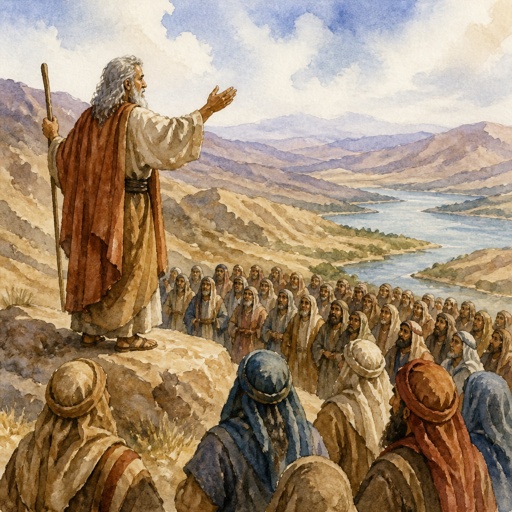
Moses addressing the people in Deuteronomy 3

Deuteronomy 3:23 - "And I besought the LORD at that time, saying,"

Deuteronomy 14:3 - "¶ Thou shalt not eat any abominable thing."

Deuteronomy 34:1-4 – Moses views the Promised Land from Mount Nebo.

Deuteronomy 34:1-4 – Moses views the Promised Land from Mount Nebo.

Deuteronomy 34:1-4 – Moses views the Promised Land from Mount Nebo.
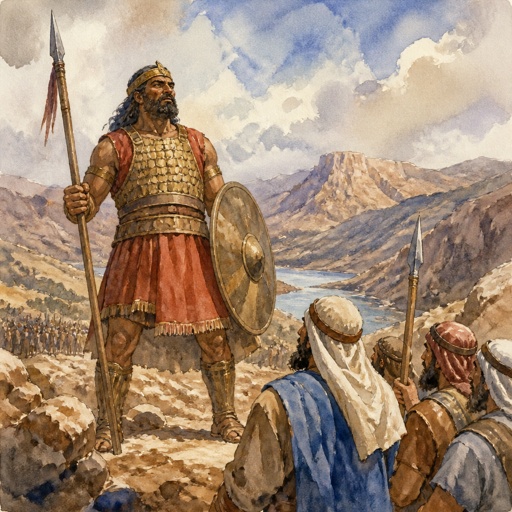
King Og Deuteronomy 3:1-11

Deuteronomy 4:44 - "¶ And this is the law which Moses set before the children of Israel:"

Deuteronomy 33:4 - "Moses commanded us a law, even the inheritance of the congregation of Jacob."

Deuteronomy 12:4 - "Ye shall not do so unto the LORD your God."

Deuteronomy 34:1-4 – Moses views the Promised Land from Mount Nebo.

Deuteronomy 6:4 - "Hear, O Israel: The LORD our God is one LORD:"

Deuteronomy 34:1-4 – Moses views the Promised Land from Mount Nebo.

Deuteronomy 3:29 - "So we abode in the valley over against Beth-peor."

Deuteronomy 3:7 - "But all the cattle, and the spoil of the cities, we took for a prey to ourselves."

Deuteronomy 28:3 - "Blessed shalt thou be in the city, and blessed shalt thou be in the field."

Deuteronomy 3:9 - "(Which Hermon the Sidonians call Sirion; and the Amorites call it Shenir;)"

Deuteronomy 4:24 - "For the LORD thy God is a consuming fire, even a jealous God."

Deuteronomy 34:1-4 – Moses views the Promised Land from Mount Nebo.

Deuteronomy 34:1-4 – Moses views the Promised Land from Mount Nebo.

Deuteronomy 4:41 - "¶ Then Moses severed three cities on this side Jordan toward the sunrising;"

Deuteronomy 14:4 - "These are the beasts which ye shall eat: the ox, the sheep, and the goat,"

Deuteronomy 25:4 - "¶ Thou shalt not muzzle the ox when he treadeth out the corn."