Finding Purpose in the Midst of Vanity
“Therefore I hated life; because the work that is wrought under the sun is grievous unto me: for all is vanity and vexation of spirit.” — Ecclesiastes 2:17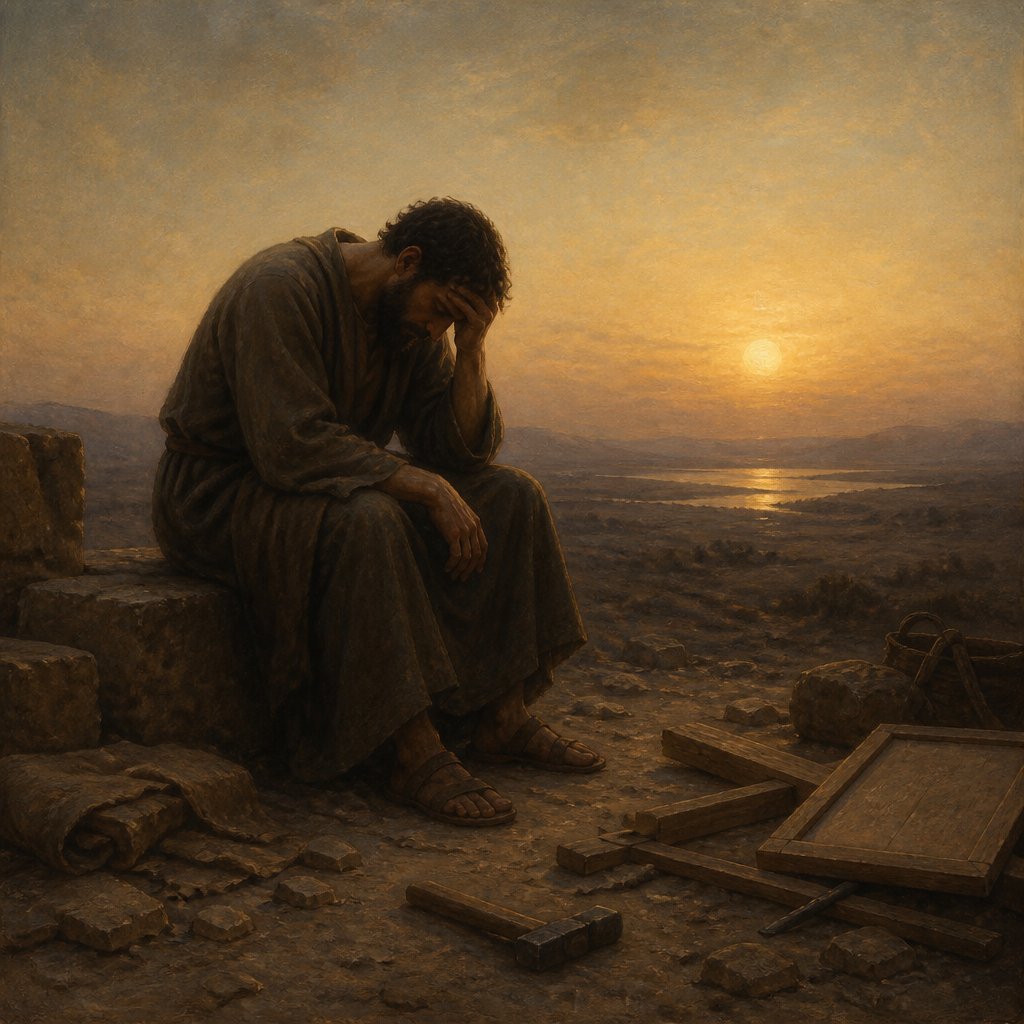
The book of Ecclesiastes, penned by the wise king Solomon, resonates deeply within the hearts of many, particularly in our present age filled with distractions and struggles. In Ecclesiastes 2:17, Solomon states, "Therefore I hated life; because the work that is wrought under the sun is grievous unto me: for all is vanity and vexation of spirit." This passage may initially strike us as bleak, yet it invites us to delve deeper into the human condition and our understanding of purpose in a seemingly chaotic world.
**The Weight of Vanity**
Solomon's statement about hating life springs from his profound theological existentialism. His journey through pleasure, wealth, work, and wisdom leaves him disillusioned, culminating in the harsh realization that so much of what we strive for is ultimately meaningless. In the grand narrative of life, the pursuits we often invest ourselves in—careers, wealth, and fame—can feel utterly empty and vexing. The phrase "vanity and vexation of spirit" poignantly captures the frustration of chasing after what is temporary.
To uncover the depths of this vanity, we need to ask ourselves: what are we truly working toward? If everything under the sun is indeed meaningless, what does that indicate about the daily grind most of us experience? Solomon's hatred for life suggests that he recognized a chasm between what life offers and what our spirits truly seek—lasting fulfillment and meaning.
**The Grievous Work Under the Sun**
Many of us, like Solomon, might feel burdened by our labors. Whether it's the relentless demands of our jobs, the pressures of family life, or the pursuit of societal expectations, it can all feel grievous. We pour energy and passion into our work, yet find ourselves asking, "What’s the point?" In a world that constantly pushes for more, we often neglect the deep-seated need for significance and connection that transcends material gain.
This grievous reality compels us to pause and reflect on our purpose. We must examine our motivations in the work that we do: are we pushing for recognition, financial success, or is there a deeper calling that propels us? The profound truth arises here: while work itself can often feel burdensome and unfulfilling, it can also be the very avenue through which we discover our purpose and serve others.
**The Call to Contentment**
As we grapple with Solomon's words, we need to turn our focus from mere existence to intentional living. In Philippians 4:11-13, Paul teaches us a powerful lesson on contentment: "Not that I speak in respect of want: for I have learned, in whatsoever state I am, therewith to be content." The contrast between vanity and spirited living is rocked by the embrace of contentment.
Finding meaning does not always require monumental discoveries or drastic changes; sometimes, it's about finding God in the mundane. This is illustrated beautifully in Colossians 3:23, which says, "And whatsoever ye do, do it heartily, as to the Lord, and not unto men." Imagining our work as an offering unto God changes our perspective, reorienting our toil into something sacred.
**Hope Beyond Vanity**
Ultimately, Solomon’s reflections remind us of our limits and the confines of human understanding. However, we must also hold onto the hope that arises from a relationship with God. In Christ, the ultimate source of fulfillment, we are invited into a life that defies the pattern of vanity. Jesus taught us that real life is found in serving others, in love, and in grace, which are the antidotes to life's futility.
As we meditate on Ecclesiastes 2:17, let us not be swayed by despair or a sense of futility, but instead strive to transform our work into a source of blessing, seeking meaning beyond ourselves. By anchoring our lives in Christ and serving others with love, we transcend vanity and embrace a fulfilling existence.
In moments of heaviness, let us remember we are not alone in our struggles. We can take comfort in knowing that as we engage in the work of love and service, we step onto the path that leads away from vexation and toward a vibrant and purposeful life.
Get our apps


Artwork for Ecclesiastes 2:17

Ecclesiastes 2:17 - "Therefore I hated life; because the work that is wrought under the sun is grievous unto me: for all is vanity and vexation of spirit."
"Therefore I hated life; because the work that is wrought under the sun is grievous unto me: for all is vanity and vexation of spirit." - Ecclesiastes 2:17

Ecclesiastes 7:17 - "Be not over much wicked, neither be thou foolish: why shouldest thou die before thy time?"

Ecclesiastes 9:17 - "The words of wise men are heard in quiet more than the cry of him that ruleth among fools."

Ecclesiastes 3:17 - "I said in mine heart, God shall judge the righteous and the wicked: for there is a time there for every purpose and for every work."

Ecclesiastes 5:17 - "All his days also he eateth in darkness, and he hath much sorrow and wrath with his sickness."

Ecclesiastes 2:2 - "I said of laughter, It is mad: and of mirth, What doeth it?"

Ecclesiastes 1:17 - "And I gave my heart to know wisdom, and to know madness and folly: I perceived that this also is vexation of spirit."

ecclesiastes 12:2-6

Ecclesiastes 10:17 - "Blessed art thou, O land, when thy king is the son of nobles, and thy princes eat in due season, for strength, and not for drunkenness!"

Ecclesiastes 1:2 - "Vanity of vanities, saith the Preacher, vanity of vanities; all is vanity."

Ecclesiastes 2:13 - "Then I saw that wisdom excelleth folly, as far as light excelleth darkness."

Ecclesiastes 8:2 - "I counsel thee to keep the king's commandment, and that in regard of the oath of God."

Ecclesiastes 3:2 - "A time to be born, and a time to die; a time to plant, and a time to pluck up that which is planted;"

Ecclesiastes 2:25 - "For who can eat, or who else can hasten hereunto, more than I?"

Ecclesiastes 10:2 - "A wise man's heart is at his right hand; but a fool's heart at his left."

"I said of laughter, It is mad: and of mirth, What doeth it?" - Ecclesiastes 2:2

Ecclesiastes 2:5 - "I made me gardens and orchards, and I planted trees in them of all kind of fruits:"

Ecclesiastes 2:6 - "I made me pools of water, to water therewith the wood that bringeth forth trees:"

"While the sun, or the light, or the moon, or the stars, be not darkened, nor the clouds return after the rain:" - Ecclesiastes 12:2

Ecclesiastes 12:2 - "While the sun, or the light, or the moon, or the stars, be not darkened, nor the clouds return after the rain:"

Ecclesiastes 2:4 - "I made me great works; I builded me houses; I planted me vineyards:"

Ecclesiastes 4:2 - "Wherefore I praised the dead which are already dead more than the living which are yet alive."
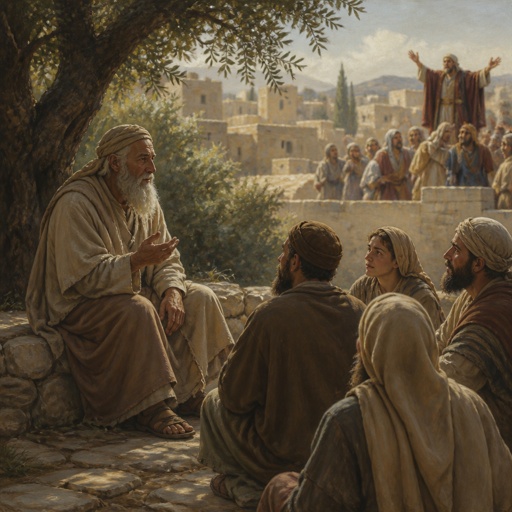
"The words of wise men are heard in quiet more than the cry of him that ruleth among fools." - Ecclesiastes 9:17

Ecclesiastes 11:2 - "Give a portion to seven, and also to eight; for thou knowest not what evil shall be upon the earth."

Ecclesiastes 2:22 - "For what hath man of all his labour, and of the vexation of his heart, wherein he hath laboured under the sun?"

Ecclesiastes 2:20 - "Therefore I went about to cause my heart to despair of all the labour which I took under the sun."

Ecclesiastes 2:1 - "I said in mine heart, Go to now, I will prove thee with mirth, therefore enjoy pleasure: and, behold, this also is vanity."

Ecclesiastes 7:2 - "¶ It is better to go to the house of mourning, than to go to the house of feasting: for that is the end of all men; and the living will lay it to his heart."

Ecclesiastes 2:23 - "For all his days are sorrows, and his travail grief; yea, his heart taketh not rest in the night. This is also vanity."