Rejoicing in Our Labor: Finding Contentment in the Present
“Wherefore I perceive that there is nothing better, than that a man should rejoice in his own works; for that is his portion: for who shall bring him to see what shall be after him?” — Ecclesiastes 3:22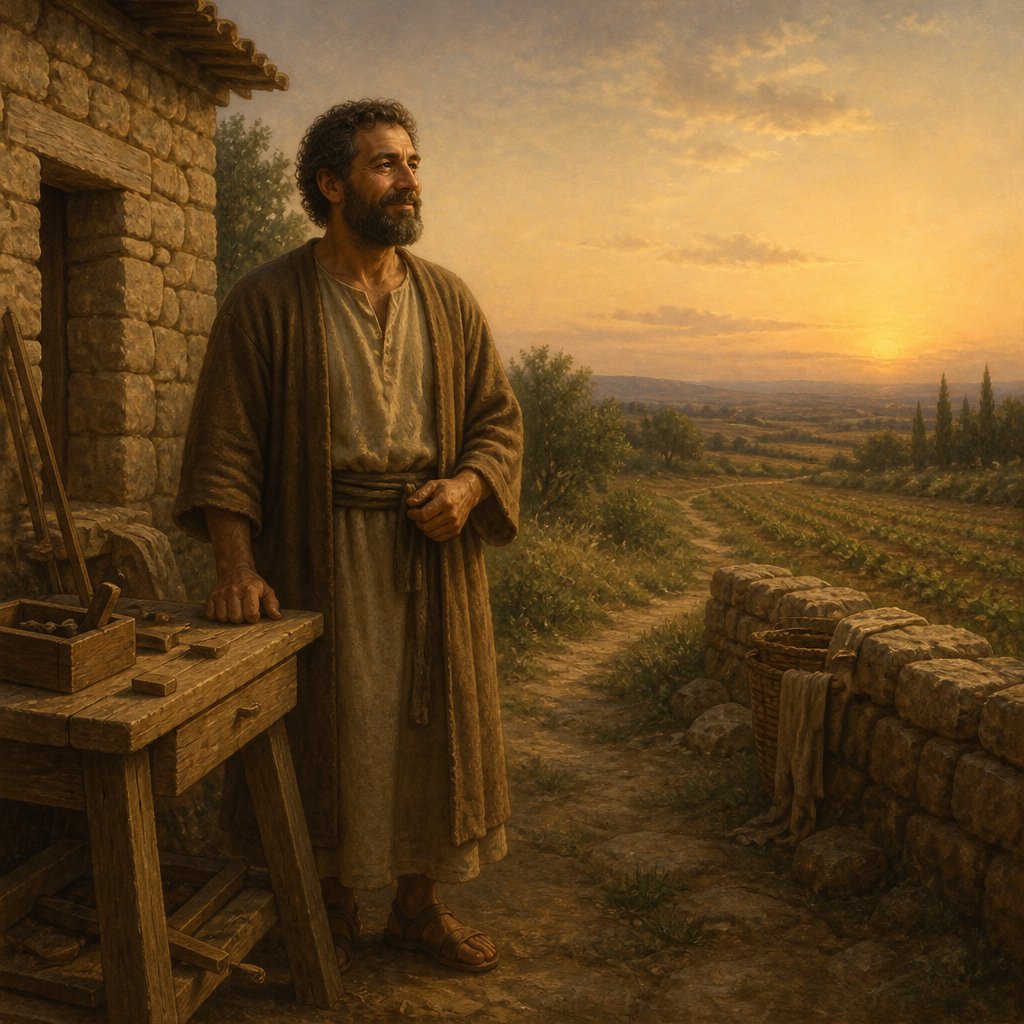
In the book of Ecclesiastes, the Preacher—traditionally thought to be Solomon—contemplatively explores the mysteries of life, the futility of human endeavors, and the ultimate meaning of it all. Ecclesiastes 3:22 states, "Wherefore I perceive that there is nothing better, than that a man should rejoice in his own works; for that is his portion: for who shall bring him to see what shall be after him?" This verse offers profound wisdom about living in the present and finding joy in our daily labor.
To rejoice in our works means more than just feeling happy when we accomplish tasks; it is about embracing the process and recognizing the value of our everyday contributions. In a world often preoccupied with future aspirations or past regrets, we can find ourselves missing the beauty of the present moment. The Preacher reminds us that it is our portion—our rightful share in life—to take pleasure in what we do. This brings us to the crucial question: How do we cultivate that sense of joy amidst the mundane tasks and challenges we face?
First, we must cultivate an attitude of gratitude. Acknowledging the gifts that God has given us, including our unique abilities and opportunities, can transform our perspective. When we view our work as a divine calling rather than a mere responsibility, we shift from a mindset of obligation to one of grateful service. This echoes Paul’s admonition in Colossians 3:23-24, where he encourages believers to work heartily as for the Lord, knowing that their labor is not in vain but has eternal significance. Recognizing that our labor is part of God’s purpose for us can foster a sense of profound joy and fulfillment, even in the most mundane tasks.
Moreover, we are challenged to live in the present moment. The Preacher's recognition that none of us knows what the future holds emphasizes the importance of savoring what we currently have. So often, we find ourselves longing for what is next—be it a promotion, a new home, or a different phase of life—instead of appreciating the here and now. Rejoicing in our current works requires us to actively engage in the present, focusing on our tasks, our relationships, and the world around us. This intentional engagement allows us to uncover joy in the small details of daily life, whether it be a hearty meal prepared thoughtfully, a work project completed with integrity, or a simple, kind interaction with a colleague.
Additionally, the Preacher points to the inevitable uncertainty of life. "For who shall bring him to see what shall be after him?" This sobering reminder compels us to revel in the present, realizing that the future remains unknown. By placing our trust in God and focusing on our current assignments, we find peace, even amid uncertainty. Embracing this uncertainty can free us from the burdensome weight of anxiety that so often accompanies our desire for control, allowing us to trust more deeply in God’s providence.
Finally, we should recognize that our works are not simply for ourselves. They serve a greater purpose within God's kingdom. Our labor can bear witness to His goodness and contribute to His redemptive work in the world around us. Each joyful act of service, whether in the workplace, at home, or within our communities, becomes a part of our legacy. By rejoicing in our works, we inspire others to perceive the goodness in their own labor, fostering a culture of gratitude and joy.
In conclusion, Ecclesiastes 3:22 invites us to rejoice in our labor, reminding us of the importance of gratitude, presence, and purpose in our work. Let us resolve to find contentment in our daily tasks, trusting in God's plan while actively participating in the joyous act of labor for His glory. As we cultivate this joyful perspective, we enrich not only our own lives but also the lives of those around us.
Get our apps


Artwork for Ecclesiastes 3:22

Ecclesiastes 3:22 - "Wherefore I perceive that there is nothing better, than that a man should rejoice in his own works; for that is his portion: for who shall bring him to see what shall be after him?"
"Wherefore I perceive that there is nothing better, than that a man should rejoice in his own works; for that is his portion: for who shall bring him to see what shall be after him?" - Ecclesiastes 3:22

Ecclesiastes 3:1

Ecclesiastes 3:3 - "A time to kill, and a time to heal; a time to break down, and a time to build up;"

Ecclesiastes 3:7-8

Ecclesiastes 3:1 – "There is a time for everything, and a season for every activity under the heavens."

Ecclesiastes 7:22 - "For oftentimes also thine own heart knoweth that thou thyself likewise hast cursed others."

Ecclesiastes 3:9 - "What profit hath he that worketh in that wherein he laboureth?"

Ecclesiastes 3:1 - "To every thing there is a season, and a time to every purpose under the heaven:"

Ecclesiastes 3:4 - "A time to weep, and a time to laugh; a time to mourn, and a time to dance;"

Ecclesiastes 3:8 - "A time to love, and a time to hate; a time of war, and a time of peace."

Ecclesiastes 2:22 - "For what hath man of all his labour, and of the vexation of his heart, wherein he hath laboured under the sun?"

Ecclesiastes 3:6 - "A time to get, and a time to lose; a time to keep, and a time to cast away;"

Ecclesiastes 7:3 - "Sorrow is better than laughter: for by the sadness of the countenance the heart is made better."

Ecclesiastes 3:7 - "A time to rend, and a time to sew; a time to keep silence, and a time to speak;"

Ecclesiastes 3:21 - "Who knoweth the spirit of man that goeth upward, and the spirit of the beast that goeth downward to the earth?"

Ecclesiastes 3:2 - "A time to be born, and a time to die; a time to plant, and a time to pluck up that which is planted;"

Ecclesiastes 3:16 - "¶ And moreover I saw under the sun the place of judgment, that wickedness was there; and the place of righteousness, that iniquity was there."

Ecclesiastes 3:20 - "All go unto one place; all are of the dust, and all turn to dust again."

Ecclesiastes 3:12 - "I know that there is no good in them, but for a man to rejoice, and to do good in his life."

Ecclesiastes 5:3 - "For a dream cometh through the multitude of business; and a fool's voice is known by multitude of words."

Ecclesiastes 1:3 - "What profit hath a man of all his labour which he taketh under the sun?"

Ecclesiastes 3:15 - "That which hath been is now; and that which is to be hath already been; and God requireth that which is past."

Ecclesiastes 3:10 - "I have seen the travail, which God hath given to the sons of men to be exercised in it."

Ecclesiastes 3:13 - "And also that every man should eat and drink, and enjoy the good of all his labour, it is the gift of God."

Ecclesiastes 3:1 – "There is a time for everything, and a season for every activity under the heavens." r

Ecclesiastes 3:17 - "I said in mine heart, God shall judge the righteous and the wicked: for there is a time there for every purpose and for every work."

Ecclesiastes 3:5 - "A time to cast away stones, and a time to gather stones together; a time to embrace, and a time to refrain from embracing;"

Ecclesiastes 8:3 - "Be not hasty to go out of his sight: stand not in an evil thing; for he doeth whatsoever pleaseth him."
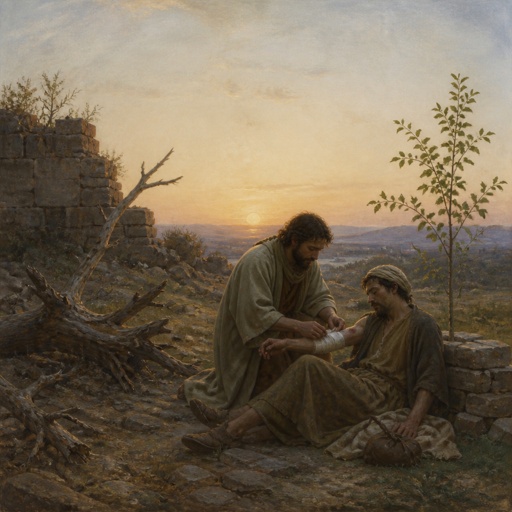
"A time to kill, and a time to heal; a time to break down, and a time to build up;" - Ecclesiastes 3:3