The Weight of Our Words: Understanding Ecclesiastes 5:5
“Better is it that thou shouldest not vow, than that thou shouldest vow and not pay.” — Ecclesiastes 5:5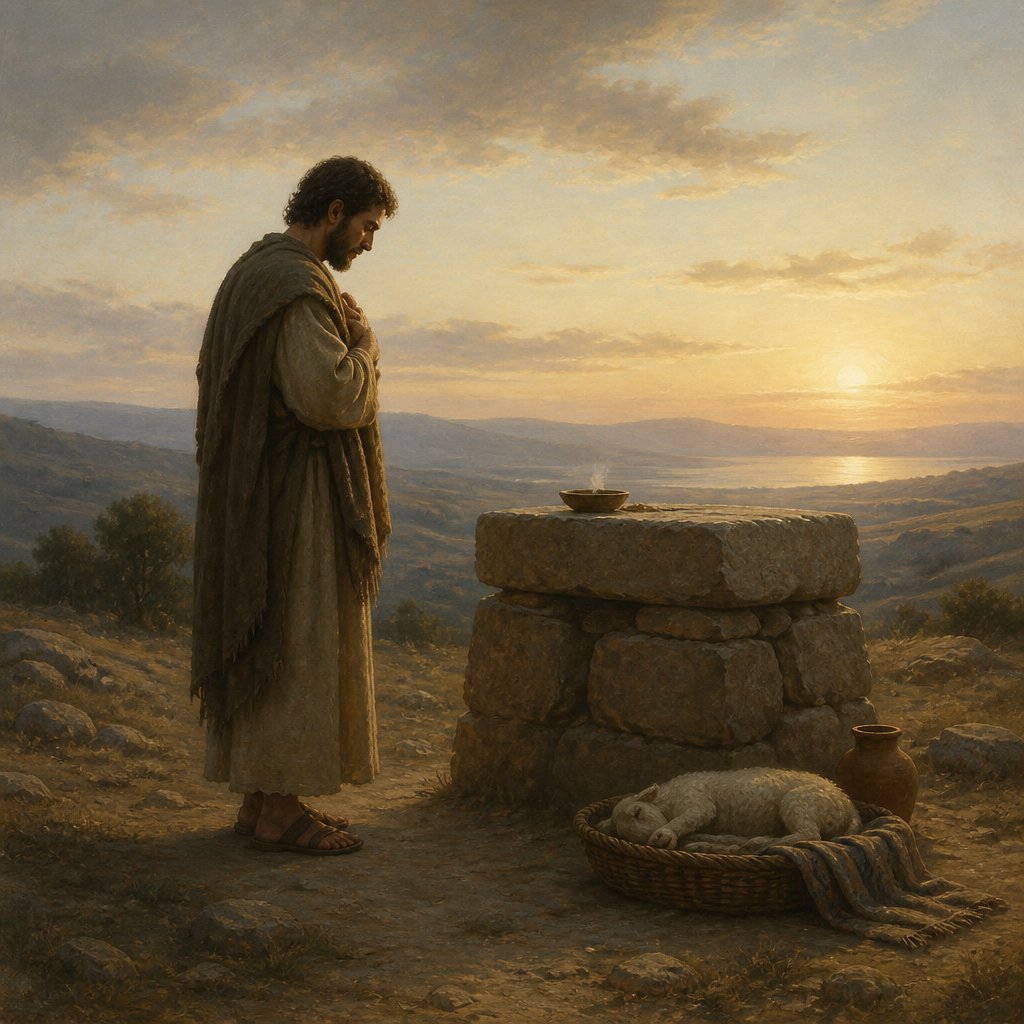
In the Book of Ecclesiastes, we find reflections on the realities of life, including the fleeting nature of time, the inevitability of death, and the pursuit of meaning in our daily existence. Ecclesiastes 5:5 presents a powerful admonition: "Better is it that thou shouldest not vow, than that thou shouldest vow and not pay." This verse echoes deep truths about our commitments, our character, and our relationship with God.
To comprehend the depth of this verse, we must understand the cultural context of vows during the time of the ancient Israelites. Vows were not mere words; they were solemn commitments made before God. When someone took a vow, it was binding and sacred, often associated with an intention to offer a sacrifice, make a promise regarding behavior, or fulfill a dedication to God. The Israelites understood promises as not just a reflection of personal integrity but also a matter that could influence their standing before God.
When we read Ecclesiastes 5:5, we are urged to consider the gravity of our promises. Solomon, the author of this wisdom literature, counsels us to avoid making rash or thoughtless vows. This teaching resonates strongly in our contemporary society where words can sometimes lose their weight in a culture that often prioritizes immediate gratification and self-interest over the completion of commitments.
One of life’s greatest tests of character comes through the promises we make. When we make a vow, we are essentially giving our word that we will do something. Thus, failing to follow through on that promise can lead to feelings of shame and disappointment, not only in ourselves but also potentially in others who depend on us. We must carefully reflect on our intentions and capabilities before we commit our words to action. The importance of this reflection cannot be overstated; it is a call to discernment, sincerity, and thoughtful consideration in the commitments we undertake.
The essence of Ecclesiastes 5:5 is not merely to avoid false promises but to embrace a life of integrity. It beckons us to evaluate the motivations behind our vows. Are they made to impress others? Are they made in a moment of emotion rather than careful thought? Or are they aligned with God’s will, stemming from a sincere desire to honor Him and bless others? We learn that our words and our actions must align, for our character is revealed not by our intentions but by the follow-through of our commitments.
This verse also brings us into the realm of our relationship with God. When we make promises to Him, whether in prayer, devotion, or acts of service, we must treat those vows with the utmost respect. God cares deeply about the integrity of our promises because they reflect the depth of our conviction and our dedication to Him. In any covenant relationship, whether with God or with our fellow man, keeping our word is a reflection of our trustworthiness and our love.
Furthermore, it is crucial to recognize that making a vow before God is about more than mere obligation; it is about our heart condition. God desires truth in our inward parts (Psalm 51:6). Therefore, our vows should be rooted in genuine intent and not just duty. When we fail to honor our promises, we are not just breaking a contract; we risk distancing ourselves from the trust and accountability that God invites us to experience in a loving relationship with Him.
In a world filled with fleeting commitments and easily broken promises, let us hold this scripture as a guiding light. Before making any vow, let us commit to prayer, to seek God’s wisdom, to ensure that our promises honor Him and reflect our love for others. By doing so, we cultivate not just a life of integrity but a deeper relationship with the Creator, who values our hearts far more than our mere words.
Get our apps


Artwork for Ecclesiastes 5:5

Ecclesiastes 5:5 - "Better is it that thou shouldest not vow, than that thou shouldest vow and not pay."

"Better is it that thou shouldest not vow, than that thou shouldest vow and not pay." - Ecclesiastes 5:5

Ecclesiastes 5:9 - "¶ Moreover the profit of the earth is for all: the king himself is served by the field."

Ecclesiastes 4:5 - "The fool foldeth his hands together, and eateth his own flesh."

Ecclesiastes 7:5 - "It is better to hear the rebuke of the wise, than for a man to hear the song of fools."

Ecclesiastes 5:7 - "For in the multitude of dreams and many words there are also divers vanities: but fear thou God."

Ecclesiastes 5:3 - "For a dream cometh through the multitude of business; and a fool's voice is known by multitude of words."

Ecclesiastes 5:14 - "But those riches perish by evil travail: and he begetteth a son, and there is nothing in his hand."

Ecclesiastes 10:5 - "There is an evil which I have seen under the sun, as an error which proceedeth from the ruler:"

Ecclesiastes 2:5 - "I made me gardens and orchards, and I planted trees in them of all kind of fruits:"

Ecclesiastes 1:5 - "The sun also ariseth, and the sun goeth down, and hasteth to his place where he arose."

Ecclesiastes 5:10 - "He that loveth silver shall not be satisfied with silver; nor he that loveth abundance with increase: this is also vanity."

Ecclesiastes 5:13 - "There is a sore evil which I have seen under the sun, namely, riches kept for the owners thereof to their hurt."

Ecclesiastes 5:17 - "All his days also he eateth in darkness, and he hath much sorrow and wrath with his sickness."

Ecclesiastes 5:11 - "When goods increase, they are increased that eat them: and what good is there to the owners thereof, saving the beholding of them with their eyes?"

Ecclesiastes 3:5 - "A time to cast away stones, and a time to gather stones together; a time to embrace, and a time to refrain from embracing;"

Ecclesiastes 8:5 - "Whoso keepeth the commandment shall feel no evil thing: and a wise man's heart discerneth both time and judgment."

Ecclesiastes 5:20 - "For he shall not much remember the days of his life; because God answereth him in the joy of his heart."

Ecclesiastes 6:5 - "Moreover he hath not seen the sun, nor known any thing: this hath more rest than the other."

Ecclesiastes 5:12 - "The sleep of a labouring man is sweet, whether he eat little or much: but the abundance of the rich will not suffer him to sleep."

Ecclesiastes 9:5 - "For the living know that they shall die: but the dead know not any thing, neither have they any more a reward; for the memory of them is forgotten."

Ecclesiastes 5:4 - "When thou vowest a vow unto God, defer not to pay it; for he hath no pleasure in fools: pay that which thou hast vowed."

Ecclesiastes 5:1 - "Keep thy foot when thou goest to the house of God, and be more ready to hear, than to give the sacrifice of fools: for they consider not that they do evil."
Ecclesiastes 5:8 - "¶ If thou seest the oppression of the poor, and violent perverting of judgment and justice in a province, marvel not at the matter: for he that is higher than the highest regardeth; and there be higher than they."

Ecclesiastes 5:16 - "And this also is a sore evil, that in all points as he came, so shall he go: and what profit hath he that hath laboured for the wind?"

"¶ Moreover the profit of the earth is for all: the king himself is served by the field." - Ecclesiastes 5:9

"The fool foldeth his hands together, and eateth his own flesh." - Ecclesiastes 4:5

"The sun also ariseth, and the sun goeth down, and hasteth to his place where he arose." - Ecclesiastes 1:5

"It is better to hear the rebuke of the wise, than for a man to hear the song of fools." - Ecclesiastes 7:5

Ecclesiastes 11:5 - "As thou knowest not what is the way of the spirit, nor how the bones do grow in the womb of her that is with child: even so thou knowest not the works of God who maketh all."