The Ephemeral Nature of Life and Legacy
“And so I saw the wicked buried, who had come and gone from the place of the holy, and they were forgotten in the city where they had so done: this is also vanity.” — Ecclesiastes 8:10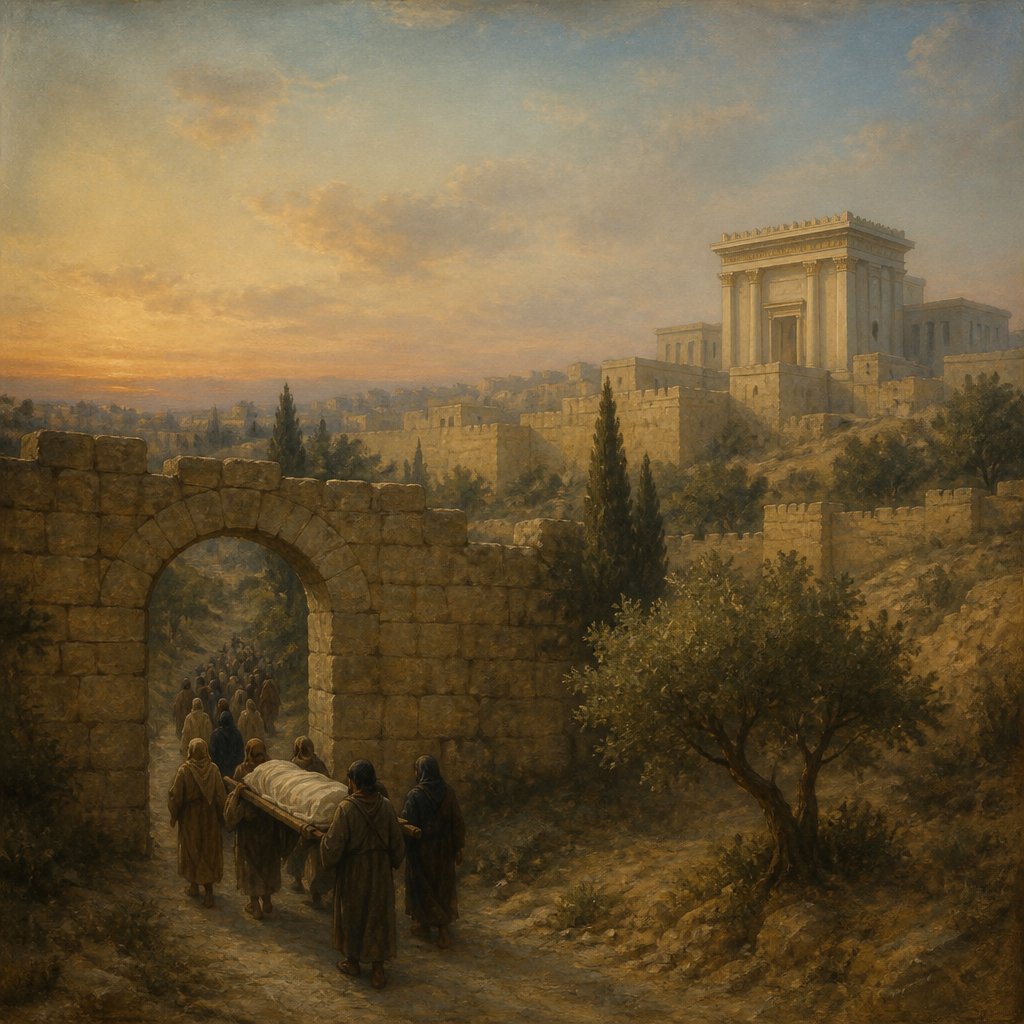
Ecclesiastes 8:10 tells us, "And so I saw the wicked buried, who had come and gone from the place of the holy, and they were forgotten in the city where they had so done: this is also vanity." In this melancholic reflection of the author known as the Teacher, we find a profound truth about life, morality, and the nature of human legacy.
In many ways, Ecclesiastes paints a picture of the perplexities of life and the seeming randomness of moral order. The Teacher, likely King Solomon, observes the world with a keen eye and an overburdened heart. Throughout this book, he grapples with the questions of purpose, justice, and the fleeting nature of existence. Here, in verse 10, he speaks specifically to the fate of the wicked—those who have lived unrepentant lives, indulging in sin and rebellion against the commands of God.
The imagery in this verse is striking: the wicked buried and forgotten in the city where they lived and thrived. Here they once walked, perhaps prided themselves on their power and influence, yet they vanish to oblivion. This visual representation of their fate evokes a strong sense of the temporary nature of human life and success, underscoring the core theme of the book: "All is vanity."
To unpack the timeless truths within this verse, we must first acknowledge the contextual meaning of being "forgotten." This does not refer solely to the absence of remembrance in the minds of the living, but it speaks deeper to their spiritual legacy. The Teacher’s assertion that they were "forgotten" serves as a reminder that earthly notoriety and achievements ultimately fade away, leaving behind nothing but a hollow echo. This phenomenon is hauntingly prevalent throughout history; names once recognized and revered can easily slip into the darkness of history.
This verse solemnly declares the grim reality that even those who have operated in the
Get our apps


Artwork for Ecclesiastes 8:10

Ecclesiastes 8:10 - "And so I saw the wicked buried, who had come and gone from the place of the holy, and they were forgotten in the city where they had so done: this is also vanity."
"And so I saw the wicked buried, who had come and gone from the place of the holy, and they were forgotten in the city where they had so done: this is also vanity." - Ecclesiastes 8:10

Ecclesiastes 10:8 - "He that diggeth a pit shall fall into it; and whoso breaketh an hedge, a serpent shall bite him."
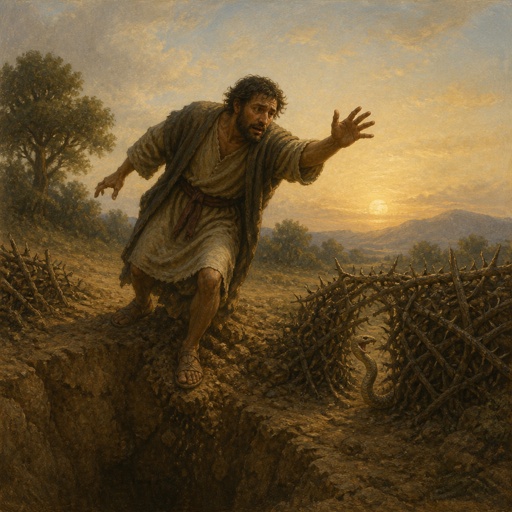
"He that diggeth a pit shall fall into it; and whoso breaketh an hedge, a serpent shall bite him." - Ecclesiastes 10:8

ecclesiastes 12:1-8

ecclesiastes 12:1-8

ecclesiastes 12:1-8

ecclesiastes 12:1-8

Ecclesiastes 3:7-8

ecclesiastes 12:1-8

Ecclesiastes 12:8 - "¶ Vanity of vanities, saith the preacher; all is vanity."

Ecclesiastes 10:10 - "If the iron be blunt, and he do not whet the edge, then must he put to more strength: but wisdom is profitable to direct."

Ecclesiastes 3:8 - "A time to love, and a time to hate; a time of war, and a time of peace."

Ecclesiastes 10:6 - "Folly is set in great dignity, and the rich sit in low place."

Ecclesiastes 10:11 - "Surely the serpent will bite without enchantment; and a babbler is no better."

Ecclesiastes 8:2 - "I counsel thee to keep the king's commandment, and that in regard of the oath of God."

Ecclesiastes 8:7 - "For he knoweth not that which shall be: for who can tell him when it shall be?"

Ecclesiastes 10:18 - "¶ By much slothfulness the building decayeth; and through idleness of the hands the house droppeth through."

Ecclesiastes 10:19 - "¶ A feast is made for laughter, and wine maketh merry: but money answereth all things."

Ecclesiastes 8:6 - "¶ Because to every purpose there is time and judgment, therefore the misery of man is great upon him."

Ecclesiastes 10:13 - "The beginning of the words of his mouth is foolishness: and the end of his talk is mischievous madness."

Ecclesiastes 10:2 - "A wise man's heart is at his right hand; but a fool's heart at his left."

Ecclesiastes 10:12 - "The words of a wise man's mouth are gracious; but the lips of a fool will swallow up himself."

Ecclesiastes 9:8 - "Let thy garments be always white; and let thy head lack no ointment."

Ecclesiastes 8:4 - "Where the word of a king is, there is power: and who may say unto him, What doest thou?"

Ecclesiastes 7:8 - "Better is the end of a thing than the beginning thereof: and the patient in spirit is better than the proud in spirit."

Ecclesiastes 10:5 - "There is an evil which I have seen under the sun, as an error which proceedeth from the ruler:"

Ecclesiastes 12:10 - "The preacher sought to find out acceptable words: and that which was written was upright, even words of truth."

Ecclesiastes 10:15 - "The labour of the foolish wearieth every one of them, because he knoweth not how to go to the city."

Ecclesiastes 10:7 - "I have seen servants upon horses, and princes walking as servants upon the earth."