Walking in Purity: A Call to Saints
“But fornication, and all uncleanness, or covetousness, let it not be once named among you, as becometh saints;” — Ephesians 5:3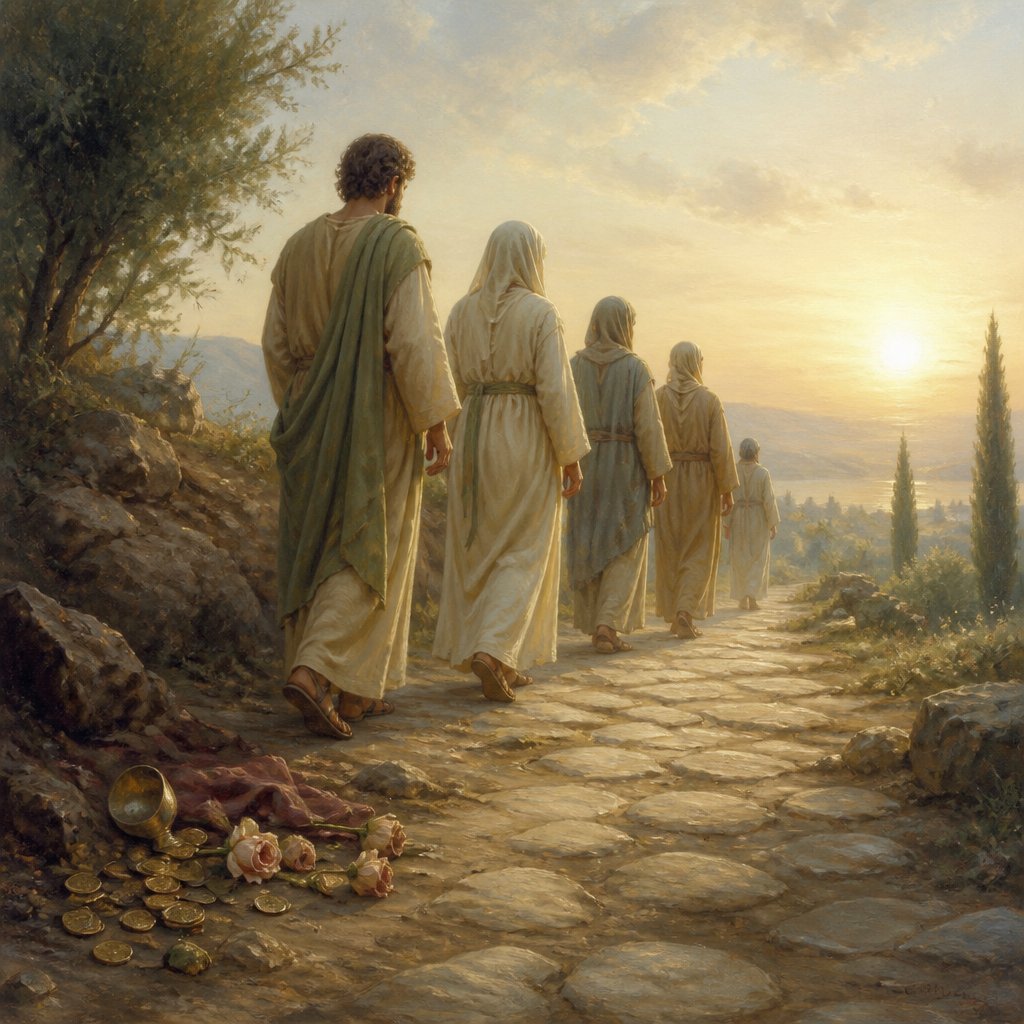
The Apostle Paul, in his epistle to the Ephesians, addresses the community about the nature of their conduct, emphasizing the importance of righteousness in their Christian walk. Ephesians 5:3 states, "But fornication, and all uncleanness, or covetousness, let it not be once named among you, as becometh saints." This exhortation serves as a stark reminder to those who profess faith in Christ to be vigilant in their actions and intentions, reflecting a life transformed by the gospel.
In this verse, Paul begins by listing fornication, uncleanness, and covetousness. Each of these terms denotes not just outward actions but also inward attitudes that are antithetical to the call of holiness that all saints are urged to uphold. Fornication refers to sexual immorality, an issue that pervades both the ancient world and our modern society. Paul’s admonition to avoid such behaviors arises from a place of deep understanding of God’s character — who is utterly holy — and His desire for His people to emulate this holiness in their lives.
The term "uncleanness" encompasses various forms of moral impurity and can also imply a broader spectrum of sinfulness that corrupts both individuals and relationships. It is a significant warning that moves beyond sexual immorality, encompassing any form of behavior that leads away from the purity of heart and mind that God desires in His people. Then, there is covetousness, which is the insatiable desire for what belongs to others, a longing that can manifest in countless destructive ways. Covetousness goes beyond simple greed; it indicates a heart that is dissatisfied and dreams of acquiring what is not rightfully its own, intertwining one’s fulfillment with the possessions and statuses of others.
Paul’s instruction that these behaviors “let it not be once named among you” conveys an urgency. While the world may practice these sins without restraint, he emphasizes that those set apart as saints — the faithful followers of Christ — must reflect the transforming power of Christ’s salvation. To be called a saint is to be a part of a chosen people, marked by God’s own holiness. Hence, it should be unthinkable for believers to engage in or even be associated with these behaviors.
What does this call to purity look like in practical terms? It begins with a heart posture. Scripture teaches that our hearts are the wellspring of life. As such, we must cultivate a heart that desires what God desires. This includes studying the Word diligently, praying for discernment, and seeking accountability within the body of Christ. The Christian journey is not meant to be walked alone, and surrounding oneself with a community that values holiness will strengthen our resolve to resist temptation.
Moreover, we must understand the significance of repentance in this journey. Acknowledging when we fall short and turning back to God is a part of our spiritual health. In 1 John 1:9, we are reassured that if we confess our sins, He is faithful and just to forgive us our sins and to cleanse us from all unrighteousness. This verse does not give us a license to sin, but it presents hope that when we stumble, God’s grace is more than sufficient to restore us.
As saints, our lives should reflect the gospel not only through what we do but also through what we do not engage in. We are called to be different—to resist the vacuum of culture that often contradicts the teachings of Christ. May we strive always to embody the purity of heart and intentions that Paul calls us to. In doing so, we become not just a witness of God’s power, but living testimonies of His transformative love.
In conclusion, Ephesians 5:3 is a powerful reminder of our identity and the standards to which we are called. Let us commit ourselves to walking in the sanctity that befits saints, allowing our lives to shine brightly in a darkened world. We are made for more than the fleeting pleasures of sin; we are called to glorify the Lord in all we do.
Get our apps


Artwork for Ephesians 5:3

Ephesians 5:3 - "But fornication, and all uncleanness, or covetousness, let it not be once named among you, as becometh saints;"
"But fornication, and all uncleanness, or covetousness, let it not be once named among you, as becometh saints;" - Ephesians 5:3

Ephesians 5:3-5 - "But among you there must not be even a hint of sexual immorality, or of any kind of impurity, or of greed, because these are improper for God’s holy people. Nor should there be obscenity, foolish talk or coarse joking, which are out of place, but rather thanksgiving. For of this you can be sure: No immoral, impure or greedy person—such a person is an idolater—has any inheritance in the kingdom of Christ and of God."

Ephesians 5:3-6 - "But among you there must not be even a hint of sexual immorality, or of any kind of impurity, or of greed, because these are improper for God’s holy people. Nor should there be obscenity, foolish talk or coarse joking, which are out of place, but rather thanksgiving. For of this you can be sure: No immoral, impure or greedy person—such a person is an idolater—has any inheritance in the kingdom of Christ and of God. Let no one deceive you with empty words, for because of such things God’s wrath comes on those who are disobedient."
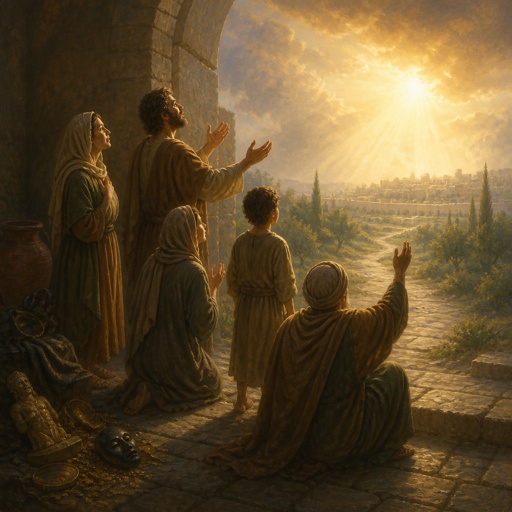
"But among you there must not be even a hint of sexual immorality, or of any kind of impurity, or of greed, because these are improper for God’s holy people. Nor should there be obscenity, foolish talk or coarse joking, which are out of place, but rather thanksgiving. For of this you can be sure: No immoral, impure or greedy person—such a person is an idolater—has any inheritance in the kingdom of Christ and of God." - Ephesians 5:3-5
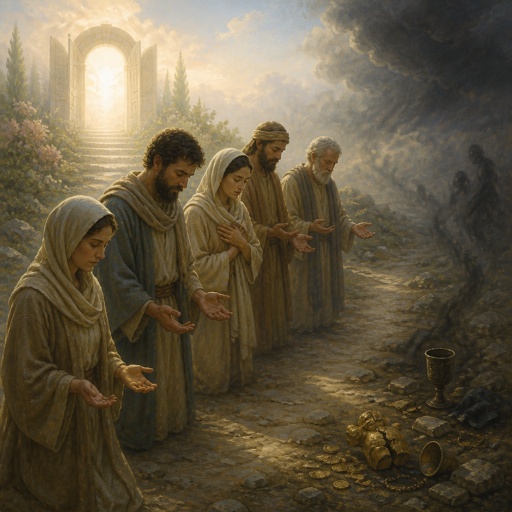
"But among you there must not be even a hint of sexual immorality, or of any kind of impurity, or of greed, because these are improper for God’s holy people. Nor should there be obscenity, foolish talk or coarse joking, which are out of place, but rather thanksgiving. For of this you can be sure: No immoral, impure or greedy person—such a person is an idolater—has any inheritance in the kingdom of Christ and of God. Let no one deceive you with empty words, for because of such things God’s wrath comes on those who are disobedient." - Ephesians 5:3-6

Ephesians 3:5 - "Which in other ages was not made known unto the sons of men, as it is now revealed unto his holy apostles and prophets by the Spirit;"

Ephesians 3

Ephesians 3

Ephesians 5:21

Ephesians 1:3

Ephesians 4:1-5

Ephesians 4:1-5

Ephesians 4:1-5

Ephesians 4:1-5

Ephesians 4:1-5

Ephesians 4:1-5

Ephesians 4:1-5

Ephesians 4:1-5

Ephesians 4:1-5

Ephesians 4:1-5

Ephesians 4:1-5

Ephesians 4:1-5

Ephesians 4:1-5

Ephesians 4:1-5

Ephesians 4:1-5

Ephesians 4:1-5

Ephesians 4:1-5

Ephesians 4:1-5

Ephesians 4:1-5