Honoring the Family: God’s Blueprint for Healthy Relationships
“Children, obey your parents in the Lord: for this is right. Honour thy father and mother; ( which is the first commandment with promise;) That it may be well with thee, and thou mayest live long on the earth. And, ye fathers, provoke not your children to wrath: but bring them up in the nurture and admonition of the Lord.” — Ephesians 6:1-4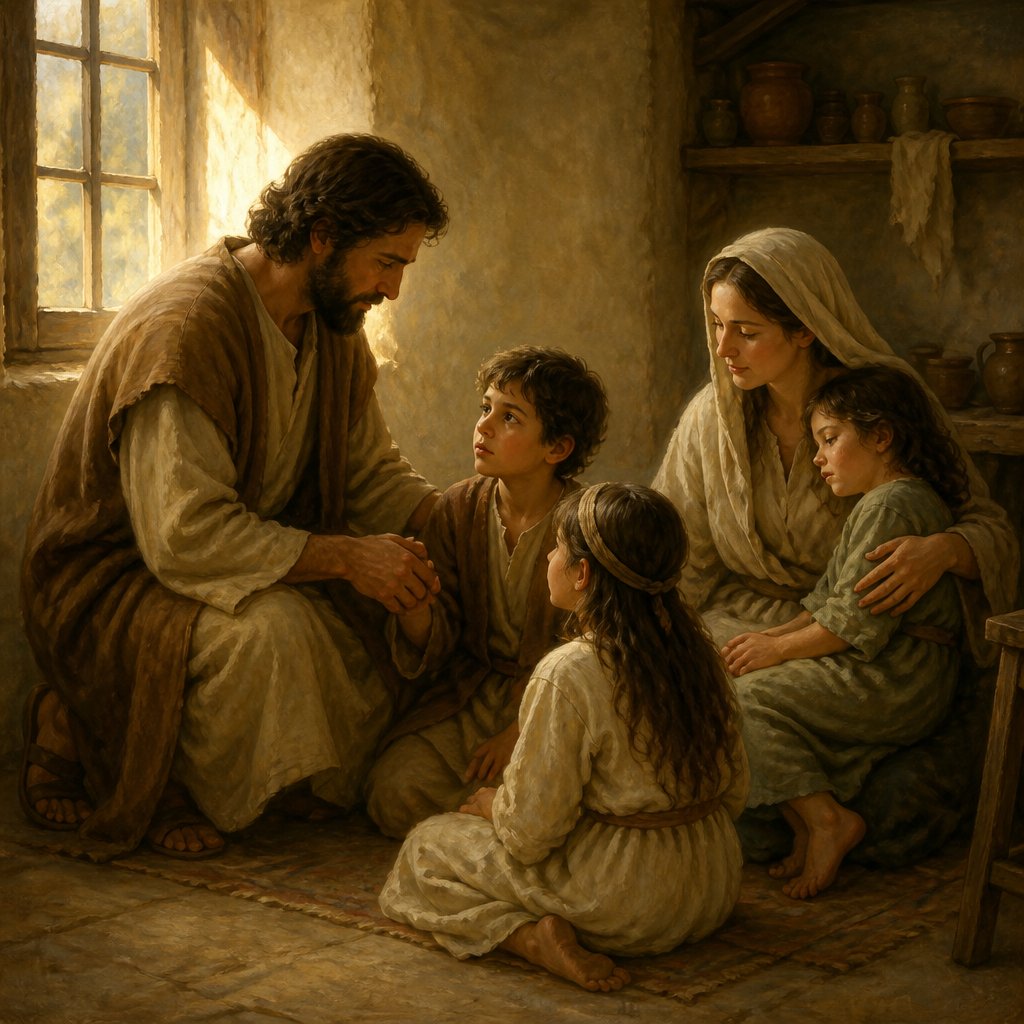
In Ephesians 6:1-4, the Apostle Paul speaks directly to the heart of familial relationships, providing divine wisdom that transcends time and culture. The verses, “Children, obey your parents in the Lord: for this is right. Honour thy father and mother; (which is the first commandment with promise;) That it may be well with thee, and thou mayest live long on the earth. And, ye fathers, provoke not your children to wrath: but bring them up in the nurture and admonition of the Lord,” serve not only as a call to obedience from children but also as a profound reminder of the responsibility resting on parents.
Let's unpack these verses and understand their divine significance. The call to honor one’s parents is deeply rooted in the fabric of God’s commandments. Commandment number five, which is recounted in Exodus 20:12, sets the foundation of respect and honor within family units. Paul emphasizes that this commandment comes with a promise — that well-being and longevity are results of honoring our parents. It suggests a divine correlation between our relationships with our parents and our overall well-being. When children obey their parents, they align themselves with God's design, promoting a life that is pleasing in His sight.
The instruction for children to obey is framed in the context of “in the Lord.” This emphasizes that our obedience should not be blind but should reflect an understanding of God’s will. As children, obeying and honoring our parents before God serves as a spiritual exercise, a preparation for honoring God Himself as we grow. It implies that our relationship with our parents should mirror our relationship with God — one rooted in respect, love, and submission to authority.
In a society that often challenges traditional family structures and values, Ephesians 6:1-4 stands as a bold declaration of God’s design for family. Obedience is not merely about following orders or conforming to societal norms; it is an act of faith. Children are called to trust in the guidance provided by their parents and to honor them for their role as God’s appointed figures in their lives. Parents are inextricably tied to the understanding of God’s love and authority, thus the manner in which children interact with their parents reflects their understanding of God.
However, Paul does not leave fathers off the hook. The admonition, “And, ye fathers, provoke not your children to wrath,” serves as a caution against harsh and unreasonable treatment. This line challenges us as parents to reflect on our own actions and attitudes. Are we instilling in our children the love, nurture, and admonition of the Lord, or are we driving them away from these things through our provocations? The responsibility of parenthood carries the weight of accountability, urging us to cultivate environments that foster love, understanding, and discipline.
To nurture means to care for, guide, and teach. It is an active role that requires patience and commitment. Admonition includes instruction and correction, guiding our children toward wisdom and understanding. Together, these two concepts create a balanced approach toward parenthood reflecting God’s heart. As fathers, we are encouraged to model grace, understanding, and wisdom, teaching our children in a way that strengthens their relationship with God.
In essence, Ephesians 6:1-4 encapsulates God's intent for family dynamics – a system built on mutual respect, understanding, and love. It challenges both children and parents to rise to their roles with intention and devotion. As we obey this scripture, we reap the fruit of harmonious family relationships, which are a vital part of the church and society as a whole. Embracing and embodying these principles not only fosters a heavenly atmosphere in our homes but also equips the next generation to continue the cycle of obedience, honor, and love.
Get our apps


Artwork for Ephesians 6:1-4

Ephesians 6:1-4 - "Children, obey your parents in the Lord, for this is right. “Honor your father and mother”—which is the first commandment with a promise— “so that it may go well with you and that you may enjoy long life on the earth.” Fathers, do not exasperate your children; instead, bring them up in the training and instruction of the Lord."

"Children, obey your parents in the Lord, for this is right. “Honor your father and mother”—which is the first commandment with a promise— “so that it may go well with you and that you may enjoy long life on the earth.” Fathers, do not exasperate your children; instead, bring them up in the training and instruction of the Lord." - Ephesians 6:1-4

Ephesians 4:4-6

Ephesians 4:4-6

Ephesians 4:4-6

Ephesians 4:4-6

Ephesians 4:4-6

Ephesians 4:1

ephesians 1:4

Ephesians 4:1

Ephesians 1:4

Ephesians 4:1

Ephesians 4:1

Ephesians 1:4

Ephesians 4:1

Ephesians 1:4

Ephesians 4:1

Ephesians 4:7

Matthew 21:21 Philippians 4:6-7 Ephesians 6:10-18 Put the words on the photo

Ephesians 4:16

Ephesians 4:1-5

Ephesians 4:1-2

Ephesians 4:1-5

Ephesians 4:1-5

Ephesians 4:1-5

Ephesians 4:1-5

Ephesians 4:1-5

Ephesians 4:1-5

Ephesians 4:1-5

Ephesians 4:1-2