The Feast of Favor: Recognizing God’s Provision in Our Lives
“Then the king made a great feast unto all his princes and his servants, even Esther’s feast; and he made a release to the provinces, and gave gifts, according to the state of the king.” — Esther 2:18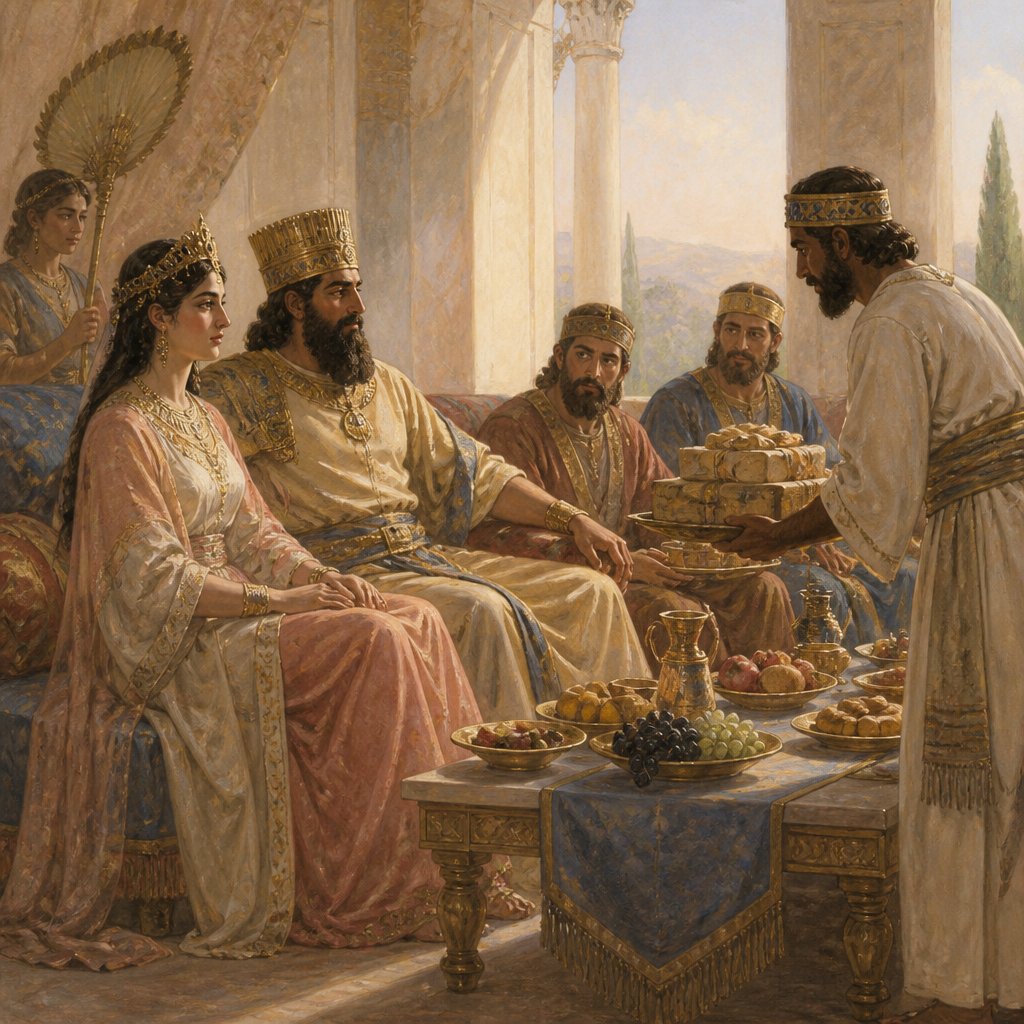
The verse from Esther 2:18 reads: "Then the king made a great feast unto all his princes and his servants, even Esther's feast; and he made a release to the provinces, and gave gifts, according to the state of the king." In this pivotal moment in the Book of Esther, we see the dynamics of power, favor, and the subtle workings of God's providence at play.
In the heart of Persia, Esther’s story unfolds amidst a backdrop of royal splendor and political maneuverings. Esther, a Jewish orphan raised by her cousin Mordecai, finds herself unexpectedly at the center of a great royal feast—an event that not only celebrates her, but also marks her ascendance to a position of influence. This verse captures a significant theme throughout the scripture: God orchestrating events for His divine purposes, even in the lives of those who may not initially see themselves as contenders or participants in His grand narrative.
When the king hosts a feast in Esther's honor, it symbolizes much more than mere celebration; it is a testament to the favor she has found. In a culture where the whims of the king could determine life or death, Esther’s acceptance and elevation signal God’s hand in her life. The proclamation of gifts and a release to the provinces reflects the abundance of God's grace and provision. We see here that Esther, despite her humble beginnings, is chosen for greatness, illustrating a powerful truth: God often uses the seemingly insignificant to accomplish His divine plans.
As we meditate on this scripture, it is crucial to reflect on the nature of God’s favor and provision in our own lives. Esther's journey reminds us that we all have the potential to rise to positions of influence, not for personal gain but for the service of others and the glory of God. Her initial silence in the palace does not reflect weakness, but rather a stillness that allows God's plan to unfold; similarly, we may find ourselves in seasons of waiting or uncertainty, yet we are called to trust in His timing.
Consider this: are there areas in your life where you feel underqualified or overlooked? Just as Esther was chosen, God is attentively crafting your story. The feast hosted by the king signifies a moment of transition, a shift from obscurity to visibility. Embrace this: your God is a God of provision, capable of setting the stage for you to shine. Sometimes, He prepares the feast before you even realize you’ve been invited to sit at the table.
The king gave gifts according to "the state of the king." This phrase reminds us that God's blessings are abundant and that He gives generously, not according to our merit, but according to His glorious riches. Reflect on the gifts you have already received: perhaps relationships that nourish your spirit, opportunities that ignited your passion, or even the daily blessings of health and provision. Each moment is a reminder of His provision and a call to engage in gratitude.
In embracing God's favor, we are also reminded of our responsibilities. Esther didn’t just accept her status; she was later faced with a critical decision to act on behalf of her people. The gifts of God often come with the expectation that we use them wisely for the benefit of others. Our experiences, our resources, and our influence are entrusted to us for a greater purpose. Are we actively looking for ways to serve and lift others up, as Esther does?
As we conclude our meditation on Esther 2:18, let's remember that every great feast—the manifestations of God’s favor in our lives—serves both as a blessing and as a challenge to rise to the occasion. May we, too, rejoice in the feasts prepared for us and remain mindful of our calling to be a blessing to those around us. In doing so, we not only honor the gifts bestowed upon us but align ourselves with God’s glorious plan, echoing the words of Esther in faith and courage.
Get our apps


Artwork for Esther 2:18
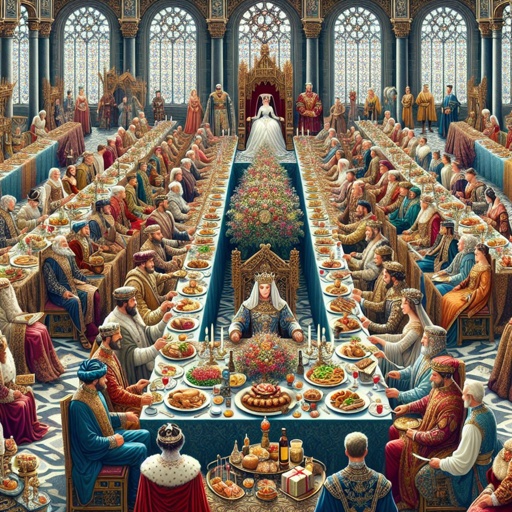
Esther 2:18 - "Then the king made a great feast unto all his princes and his servants, even Esther's feast; and he made a release to the provinces, and gave gifts, according to the state of the king."
"Then the king made a great feast unto all his princes and his servants, even Esther's feast; and he made a release to the provinces, and gave gifts, according to the state of the king." - Esther 2:18

Esther 2:22 - "And the thing was known to Mordecai, who told it unto Esther the queen; and Esther certified the king thereof in Mordecai's name."

Esther 5:2 - "And it was so, when the king saw Esther the queen standing in the court, that she obtained favour in his sight: and the king held out to Esther the golden sceptre that was in his hand. So Esther drew near, and touched the top of the sceptre."

Esther 7:2 - "And the king said again unto Esther on the second day at the banquet of wine, What is thy petition, queen Esther? and it shall be granted thee: and what is thy request? and it shall be performed, even to the half of the kingdom."

Esther 2:20 - "Esther had not yet shewed her kindred nor her people; as Mordecai had charged her: for Esther did the commandment of Mordecai, like as when she was brought up with him."

Esther 5:2

Esther 5:2

Esther 5:2

Esther 2:11 - "And Mordecai walked every day before the court of the women's house, to know how Esther did, and what should become of her."

Esther 2:10 - "Esther had not shewed her people nor her kindred: for Mordecai had charged her that she should not shew it."

Esther 5:2 - "And it was so, when the king saw Esther the queen standing in the court, that she obtained favour in his sight: and the king held out to Esther the golden sceptre that was in his hand. So Esther drew near, and touched the top of the sceptre."

"And the thing was known to Mordecai, who told it unto Esther the queen; and Esther certified the king thereof in Mordecai's name." - Esther 2:22

Esther 2:16 - "So Esther was taken unto king Ahasuerus into his house royal in the tenth month, which is the month Tebeth, in the seventh year of his reign."

Esther 8:2 - "And the king took off his ring, which he had taken from Haman, and gave it unto Mordecai. And Esther set Mordecai over the house of Haman."
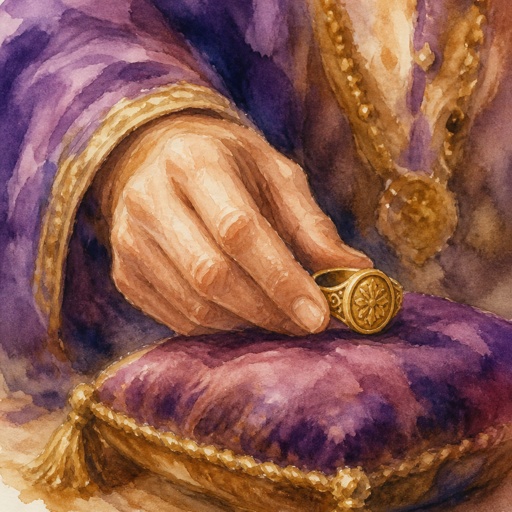
Esther 8:2 focus on the ring

Esther 2:15 - "¶ Now when the turn of Esther, the daughter of Abihail the uncle of Mordecai, who had taken her for his daughter, was come to go in unto the king, she required nothing but what Hegai the king's chamberlain, the keeper of the women, appointed. And Esther obtained favour in the sight of all them that looked upon her."

Esther 2:2 - "Then said the king's servants that ministered unto him, Let there be fair young virgins sought for the king:"

Esther 9:18 - "But the Jews that were at Shushan assembled together on the thirteenth day thereof, and on the fourteenth thereof; and on the fifteenth day of the same they rested, and made it a day of feasting and gladness."

Esther 2:17 - "And the king loved Esther above all the women, and she obtained grace and favour in his sight more than all the virgins; so that he set the royal crown upon her head, and made her queen instead of Vashti."

Esther 2:7 - "And he brought up Hadassah, that is, Esther, his uncle's daughter: for she had neither father nor mother, and the maid was fair and beautiful; whom Mordecai, when her father and mother were dead, took for his own daughter."
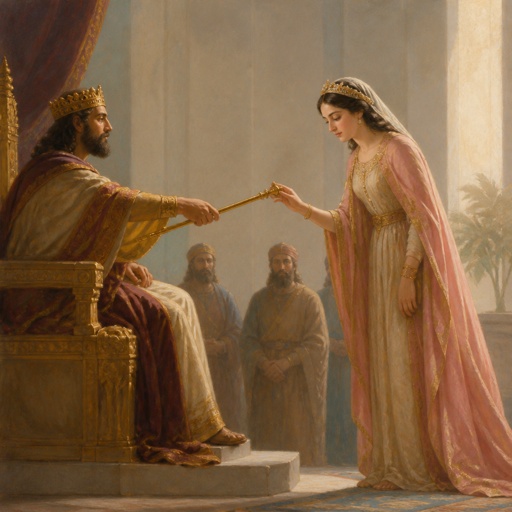
"And it was so, when the king saw Esther the queen standing in the court, that she obtained favour in his sight: and the king held out to Esther the golden sceptre that was in his hand. So Esther drew near, and touched the top of the sceptre." - Esther 5:2

Esther 1:18 - "Likewise shall the ladies of Persia and Media say this day unto all the king's princes, which have heard of the deed of the queen. Thus shall there arise too much contempt and wrath."

Esther 2:8 - "¶ So it came to pass, when the king's commandment and his decree was heard, and when many maidens were gathered together unto Shushan the palace, to the custody of Hegai, that Esther was brought also unto the king's house, to the custody of Hegai, keeper of the women."

Esther 2:19 - "And when the virgins were gathered together the second time, then Mordecai sat in the king's gate."

Esther 1:2 - "That in those days, when the king Ahasuerus sat on the throne of his kingdom, which was in Shushan the palace,"
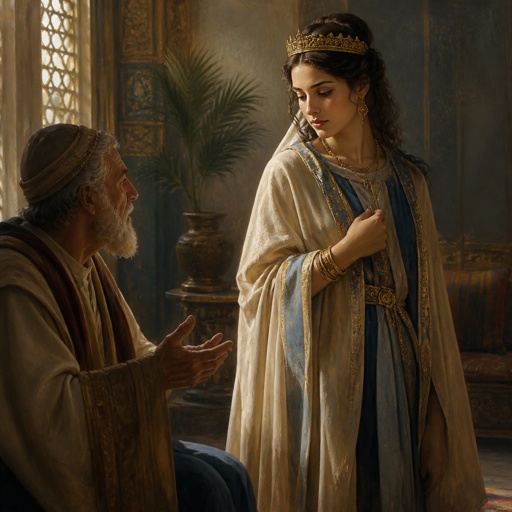
"Esther had not yet shewed her kindred nor her people; as Mordecai had charged her: for Esther did the commandment of Mordecai, like as when she was brought up with him." - Esther 2:20

Esther 4:2 - "And came even before the king's gate: for none might enter into the king's gate clothed with sackcloth."
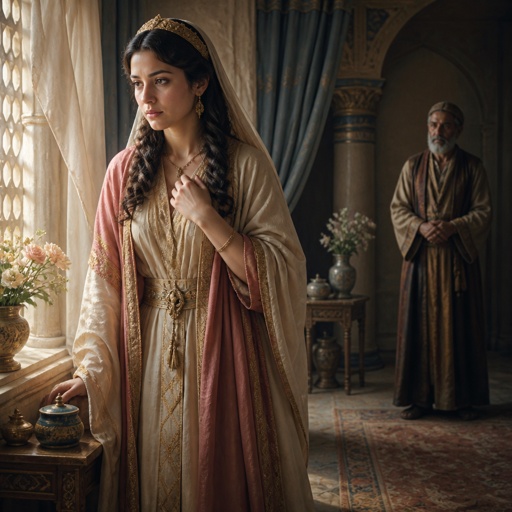
"Esther had not shewed her people nor her kindred: for Mordecai had charged her that she should not shew it." - Esther 2:10
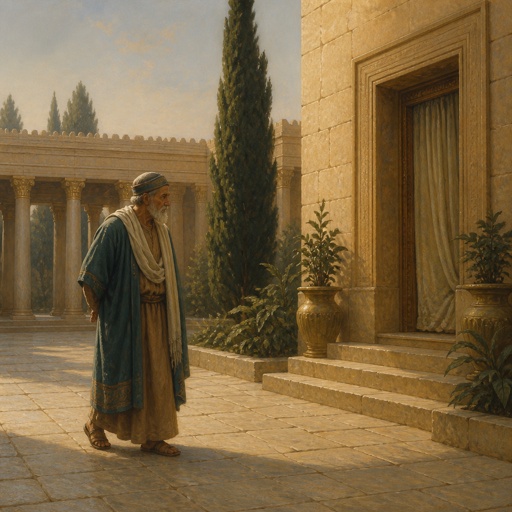
"And Mordecai walked every day before the court of the women's house, to know how Esther did, and what should become of her." - Esther 2:11