The Irony of Honor: Lessons from Esther 6:6
“So Haman came in. And the king said unto him, What shall be done unto the man whom the king delighteth to honour? Now Haman thought in his heart, To whom would the king delight to do honour more than to myself?” — Esther 6:6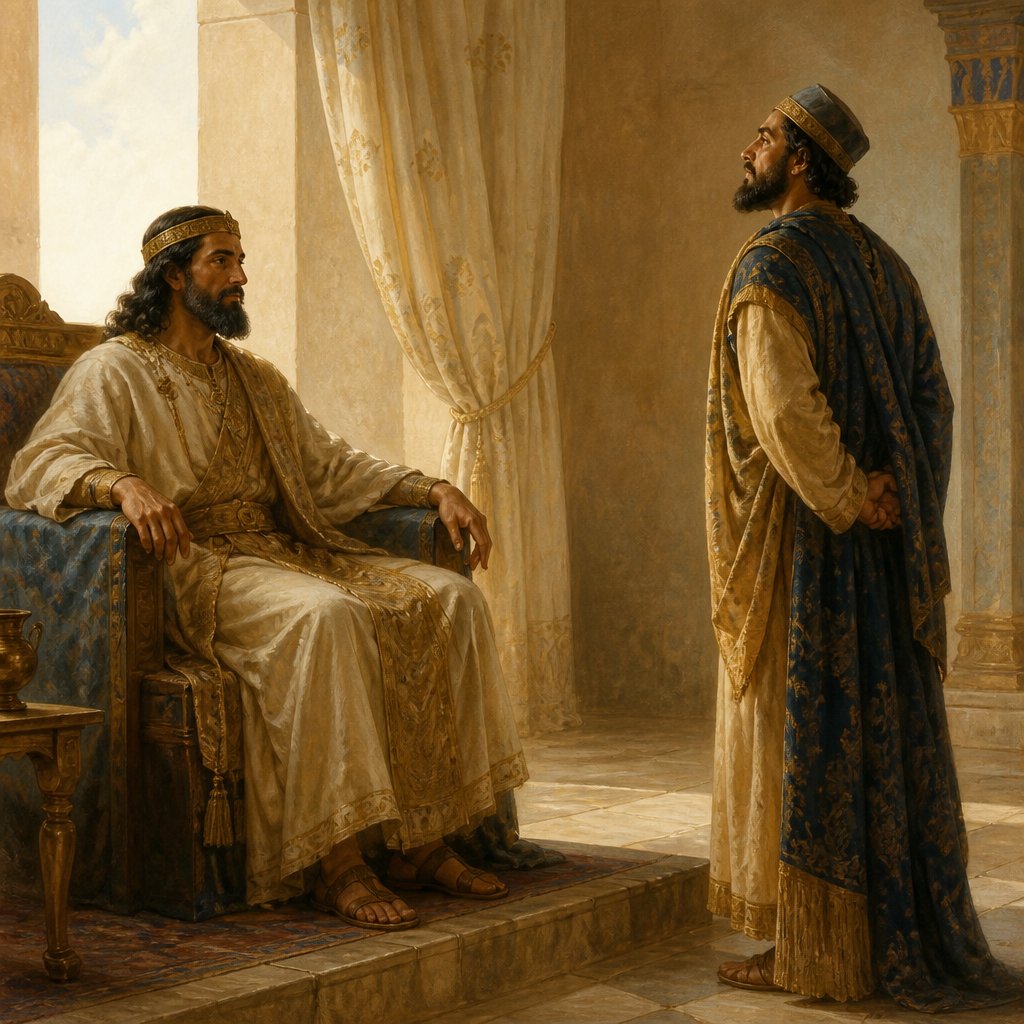
In the grand tapestry of life, we often find that the threads woven through our existence carry echoes of divine irony. Esther 6:6 presents us with a striking moment of such irony, encapsulated beautifully: "So Haman came in. And the king said unto him, What shall be done unto the man whom the king delighteth to honour? Now Haman thought in his heart, To whom would the king delight to do honour more than to myself?"
At first glance, the narrative appears centered on Haman, the man who was driven by envy, pride, and ambition. His ambition led him to seek the annihilation of the Jewish people, fueled by his hatred for Mordecai. However, this moment, where Haman enters the king's presence expecting to bask in honor, unveils profound spiritual truths that merit deeper reflection.
Firstly, Haman's entrance into the king's court poses an interesting question—what do we seek when we approach authority? Haman might have thought he was deservedly the focus of the king’s favor, yet in his overconfidence, he failed to recognize that God is often at work behind the scenes, and divine plans are rarely thwarted by human arrogance. God is sovereign over every situation, and the honor we covet may very well be directed elsewhere. How often in our lives do we expect recognition for our deeds and instead find the spotlight focused on someone else? The essence of holding a humble spirit and allowing God to direct our paths becomes crucial in such moments.
Secondly, Haman's internal thoughts reflect a universal human tendency—self-centeredness. “To whom would the king delight to do honour more than to myself?” betrays his inflated sense of self-worth. It is a reminder that our hearts can easily lead us astray, preoccupying us with our desires and recognition in the eyes of others rather than striving for humility and service to God. In contrast, true honor is found in serving others and selflessly lifting them up. This moment challenges us to examine our motivations: are we pursuing our ambitions for our glory, or are we directing our hearts and actions toward honoring God and uplifting our neighbors in love?
Moreover, we see a profound lesson in God’s providential timing. While Haman expected to receive a reward for his evil designs, his plans were dismantled in an unprecedented way. The king’s question became a tool of divine reversal—Haman was unknowingly confessing his own fate and the fate of his desires. This leads us to contemplate the moments in life where God seemingly delays His response to our cries for justice, where it appears that the wicked prosper and the righteous suffer. Yet, we are assured through the biblical narrative and our own experiences that God’s timing is perfect, and His justice will ultimately prevail. Power can shift in an instant, and we must remain faithful in our waiting, trusting in the goodness of His plans.
Finally, as we meditate on this verse, may we cultivate a heart that yearns for God’s honor over personal accolades. In our daily lives, let us ask ourselves: "How can I serve today? Who can I uplift?" When we choose humility and seek to honor God through our actions, we align ourselves with His will, paving the way for His glory to shine through us.
In conclusion, Esther 6:6 offers a poignant reminder about the nature of honor and recognition, the dangers of pride and self-sufficiency, and the remarkable reversals that can come by God's hand. Let us strive to live each day with the intention of honoring God, allowing His purpose to unfold in our lives with every interaction. In a world that often rewards the proud, let our hearts remain steadfast in pursuit of His kingdom, bearing witness to the glory that comes from above, always choosing to honor rather than to seek honor for ourselves.
Get our apps


Artwork for Esther 6:6

Esther 6:6 - "So Haman came in. And the king said unto him, What shall be done unto the man whom the king delighteth to honour? Now Haman thought in his heart, To whom would the king delight to do honour more than to myself?"
"So Haman came in. And the king said unto him, What shall be done unto the man whom the king delighteth to honour? Now Haman thought in his heart, To whom would the king delight to do honour more than to myself?" - Esther 6:6

Esther 1:6

Esther 7:6 - "And Esther said, The adversary and enemy is this wicked Haman. Then Haman was afraid before the king and the queen."

Esther 6:14 - "And while they were yet talking with him, came the king's chamberlains, and hasted to bring Haman unto the banquet that Esther had prepared."

Esther 6:7 - "And Haman answered the king, For the man whom the king delighteth to honour,"

Esther 9:6 - "And in Shushan the palace the Jews slew and destroyed five hundred men."

Esther 5:6 - "¶ And the king said unto Esther at the banquet of wine, What is thy petition? and it shall be granted thee: and what is thy request? even to the half of the kingdom it shall be performed."

Esther 4:6 - "So Hatach went forth to Mordecai unto the street of the city, which was before the king's gate."

"And Esther said, The adversary and enemy is this wicked Haman. Then Haman was afraid before the king and the queen." - Esther 7:6

Esther 6:1 - "On that night could not the king sleep, and he commanded to bring the book of records of the chronicles; and they were read before the king."

Esther 6:5 - "And the king's servants said unto him, Behold, Haman standeth in the court. And the king said, Let him come in."

Esther 6:12 - "¶ And Mordecai came again to the king's gate. But Haman hasted to his house mourning, and having his head covered."

"And Haman answered the king, For the man whom the king delighteth to honour," - Esther 6:7

Esther 6:3 - "And the king said, What honour and dignity hath been done to Mordecai for this? Then said the king's servants that ministered unto him, There is nothing done for him."

Esther 6:2 - "And it was found written, that Mordecai had told of Bigthana and Teresh, two of the king's chamberlains, the keepers of the door, who sought to lay hand on the king Ahasuerus."

"And in Shushan the palace the Jews slew and destroyed five hundred men." - Esther 9:6

Esther 8:6 - "For how can I endure to see the evil that shall come unto my people? or how can I endure to see the destruction of my kindred?"

Esther 6:8 - "Let the royal apparel be brought which the king useth to wear, and the horse that the king rideth upon, and the crown royal which is set upon his head:"

"And while they were yet talking with him, came the king's chamberlains, and hasted to bring Haman unto the banquet that Esther had prepared." - Esther 6:14

Esther 6:4 - "¶ And the king said, Who is in the court? Now Haman was come into the outward court of the king's house, to speak unto the king to hang Mordecai on the gallows that he had prepared for him."
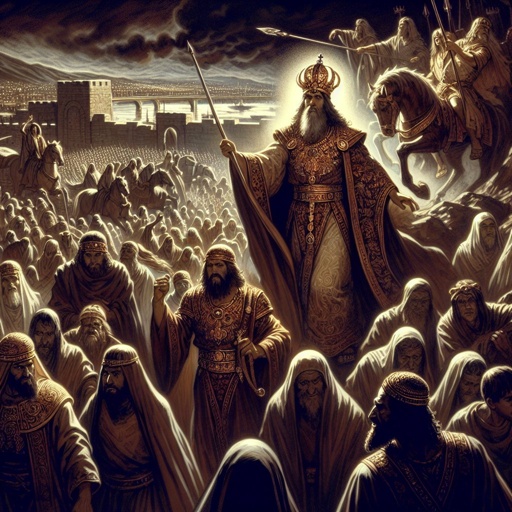
Esther 2:6 - "Who had been carried away from Jerusalem with the captivity which had been carried away with Jeconiah king of Judah, whom Nebuchadnezzar the king of Babylon had carried away."

Esther 6:11 - "Then took Haman the apparel and the horse, and arrayed Mordecai, and brought him on horseback through the street of the city, and proclaimed before him, Thus shall it be done unto the man whom the king delighteth to honour."

Esther 6:10 - "Then the king said to Haman, Make haste, and take the apparel and the horse, as thou hast said, and do even so to Mordecai the Jew, that sitteth at the king's gate: let nothing fail of all that thou hast spoken."

Esther 1:6 - "Where were white, green, and blue, hangings, fastened with cords of fine linen and purple to silver rings and pillars of marble: the beds were of gold and silver, upon a pavement of red, and blue, and white, and black, marble."
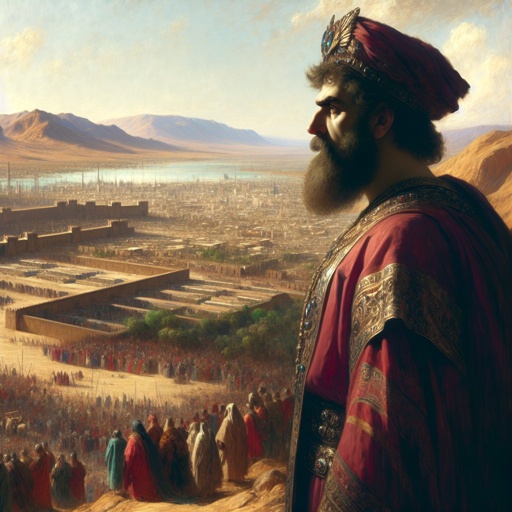
Esther 3:6 - "And he thought scorn to lay hands on Mordecai alone; for they had shewed him the people of Mordecai: wherefore Haman sought to destroy all the Jews that were throughout the whole kingdom of Ahasuerus, even the people of Mordecai."
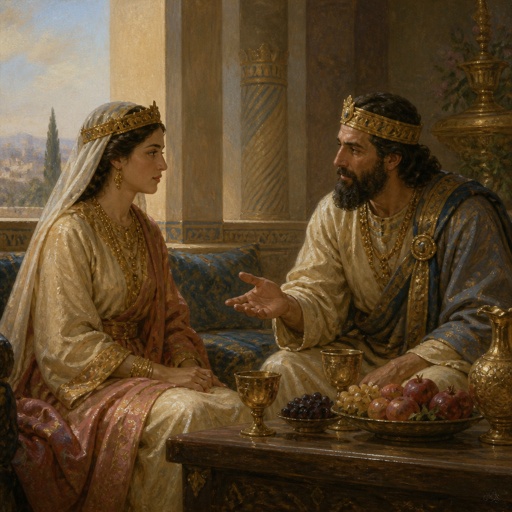
"¶ And the king said unto Esther at the banquet of wine, What is thy petition? and it shall be granted thee: and what is thy request? even to the half of the kingdom it shall be performed." - Esther 5:6
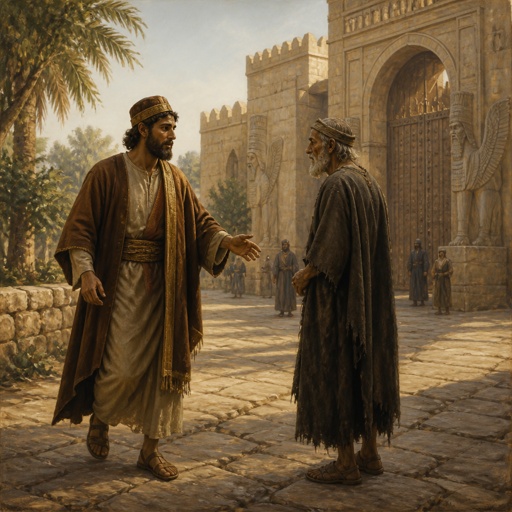
"So Hatach went forth to Mordecai unto the street of the city, which was before the king's gate." - Esther 4:6
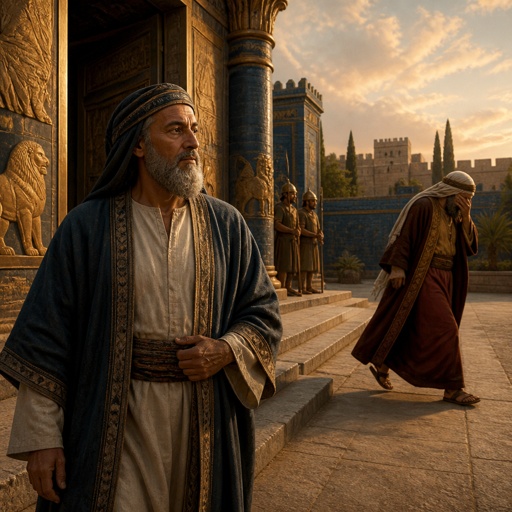
"¶ And Mordecai came again to the king's gate. But Haman hasted to his house mourning, and having his head covered." - Esther 6:12

"On that night could not the king sleep, and he commanded to bring the book of records of the chronicles; and they were read before the king." - Esther 6:1