From Mourning to Mantle: The Redemption of Mordecai
“And the king took off his ring, which he had taken from Haman, and gave it unto Mordecai. And Esther set Mordecai over the house of Haman.” — Esther 8:2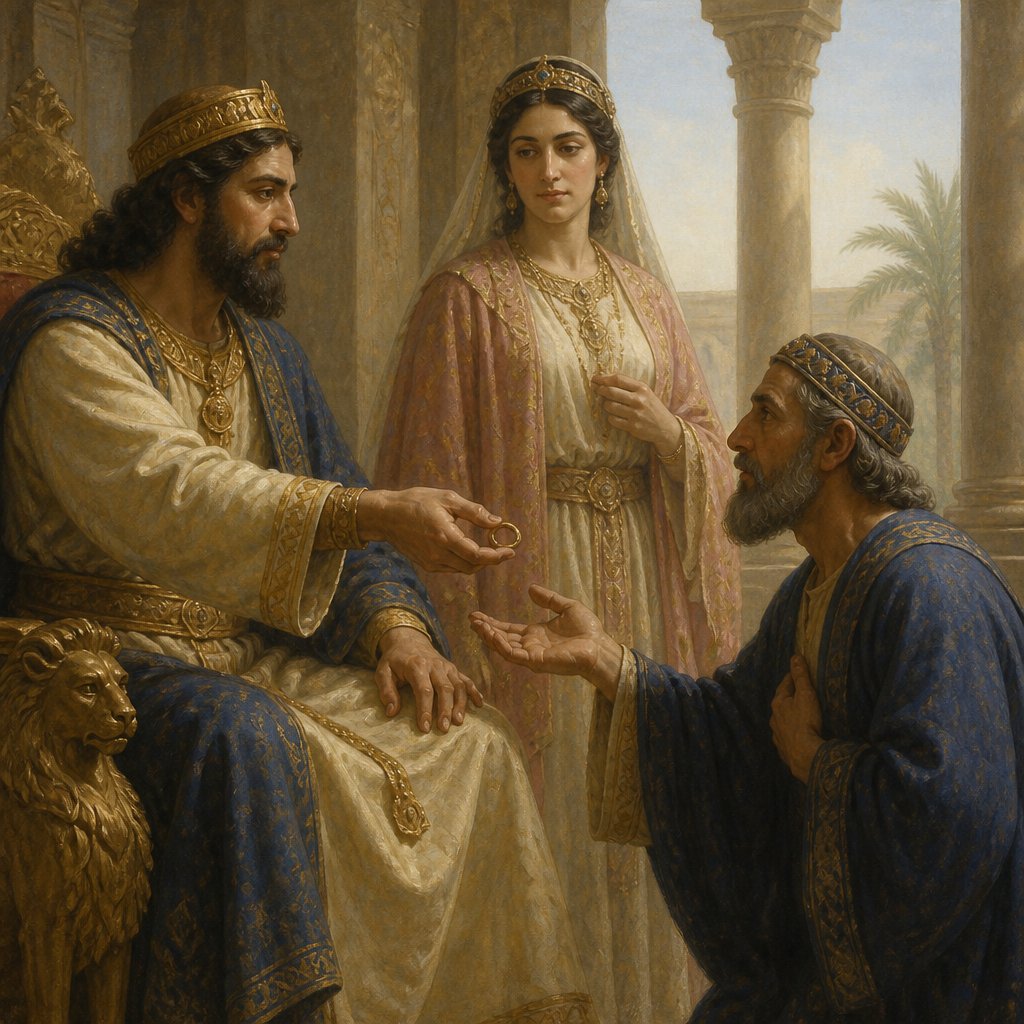
The story of Esther is one of divine intervention, courage, and ultimately, redemption. Esther 8:2 presents a pivotal moment in this narrative, stating: "And the king took off his ring, which he had taken from Haman, and gave it unto Mordecai. And Esther set Mordecai over the house of Haman." This verse not only marks a significant turning point in the fortunes of Esther and her people, the Jews, but it also highlights the theme of reversal that permeates the book of Esther.
In understanding the weight of this verse, it is essential to consider the context surrounding Mordecai’s elevation. Just a short while before this moment, Haman, the king’s most trusted advisor, had plotted the annihilation of the Jewish people. Haman represented oppression, betrayal, and the seemingly insurmountable forces of evil. His actions had led to widespread mourning among the Jews, and for a time, it appeared that darkness would prevail. Yet, through the bravery of Esther and the providence of God, Haman’s wicked plans were foiled.
The transfer of the king’s ring from Haman to Mordecai is deeply symbolic. In the ancient world, a king's ring was not merely a piece of jewelry; it was a symbol of authority, power, and responsibility. By giving Mordecai this ring, the king was effectively reversing the orders that brought about fear and despair for the Jewish people. This act not only restored Mordecai’s status but also set a new course for the future of the Jewish nation.
Mordecai, who had once been in mourning — wearing sackcloth and ashes and pleading for the survival of his people — was now entrusted with the very empire that had sought their destruction. This transition from a place of mourning and despair to one of authority and responsibility speaks volumes about the nature of God’s providence.
In our own lives, we can find ourselves in situations that feel utterly hopeless, much like the Jews faced at the brink of their extermination. We may experience seasons where circumstances seem to reflect despair, confusion, or loss of purpose. However, the story of Esther teaches us that these seasons are not the end. Rather, God has the power to turn our mourning into joy and to elevate us when we least expect it.
The role that Esther played in advocating for Mordecai reminds us of the power of intercession. She was bold in her request to the king, risking her life to save her people and her beloved uncle. Esther’s courage paved the way for Mordecai’s rise. Similarly, our prayers and actions can set the stage for God’s redemptive work in the lives of those around us. When we step into the gaps for others, as Esther did, we become instruments of God’s love and grace.
As our lives reflect the turmoil and uncertainty of the world, we can hold onto the truth that God’s plans for us are still unfolding. In moments where we feel like enduring sorrow may never end, let us remember that God has the ultimate authority and can change our circumstances in an instant — just as He did for Mordecai.
The significance of Esther 8:2 culminates in a powerful reminder of hope. When God grants us favor in the face of adversity, we have the opportunity to rise to positions where we can influence the lives of many. Like Mordecai, we may be called to lead in challenging times; like Esther, we may be prompted to advocate for justice and mercy.
Ultimately, this verse invites us to trust in the redemptive power of God who is at work in our lives, working behind the scenes to bring about His good purposes. As we embrace our roles in His story, let us find confidence in the hope that comes from knowing that God can turn our mourning into a mantle of leadership, grace, and favor.
Get our apps


Artwork for Esther 8:2
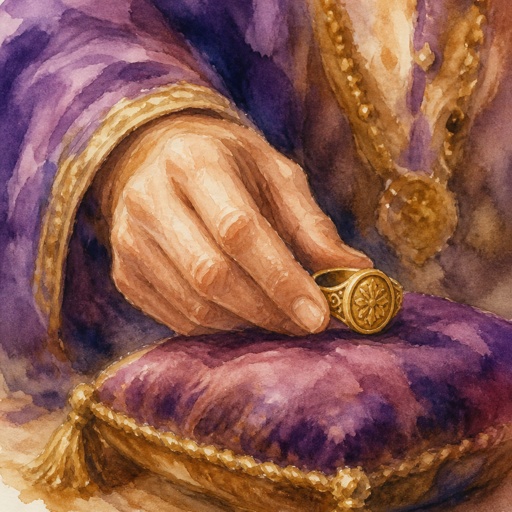
Esther 8:2 focus on the ring

Esther 8:2 - "And the king took off his ring, which he had taken from Haman, and gave it unto Mordecai. And Esther set Mordecai over the house of Haman."
"And the king took off his ring, which he had taken from Haman, and gave it unto Mordecai. And Esther set Mordecai over the house of Haman." - Esther 8:2

Esther 8:4 - "Then the king held out the golden sceptre toward Esther. So Esther arose, and stood before the king,"

Esther 2:8 - "¶ So it came to pass, when the king's commandment and his decree was heard, and when many maidens were gathered together unto Shushan the palace, to the custody of Hegai, that Esther was brought also unto the king's house, to the custody of Hegai, keeper of the women."

Esther 8:1 - "On that day did the king Ahasuerus give the house of Haman the Jews' enemy unto Esther the queen. And Mordecai came before the king; for Esther had told what he was unto her."

Esther 8:4

Esther 9:8 - "And Poratha, and Adalia, and Aridatha,"

Esther 8:7 - "¶ Then the king Ahasuerus said unto Esther the queen and to Mordecai the Jew, Behold, I have given Esther the house of Haman, and him they have hanged upon the gallows, because he laid his hand upon the Jews."

Esther 2:22 - "And the thing was known to Mordecai, who told it unto Esther the queen; and Esther certified the king thereof in Mordecai's name."

Esther 8:16 - "The Jews had light, and gladness, and joy, and honour."

"Then the king held out the golden sceptre toward Esther. So Esther arose, and stood before the king," - Esther 8:4

Esther 5:2 - "And it was so, when the king saw Esther the queen standing in the court, that she obtained favour in his sight: and the king held out to Esther the golden sceptre that was in his hand. So Esther drew near, and touched the top of the sceptre."

Esther 7:2 - "And the king said again unto Esther on the second day at the banquet of wine, What is thy petition, queen Esther? and it shall be granted thee: and what is thy request? and it shall be performed, even to the half of the kingdom."

Esther 2:20 - "Esther had not yet shewed her kindred nor her people; as Mordecai had charged her: for Esther did the commandment of Mordecai, like as when she was brought up with him."
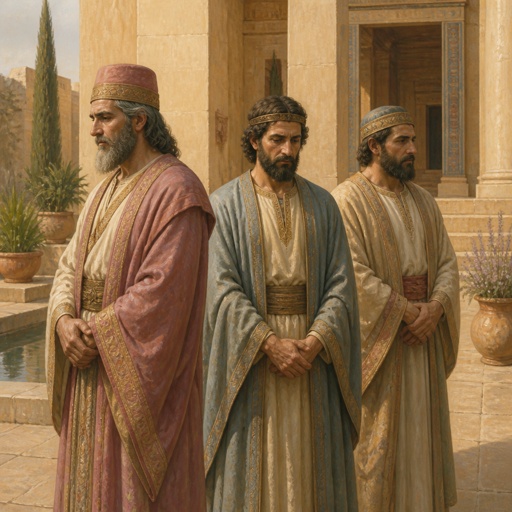
"And Poratha, and Adalia, and Aridatha," - Esther 9:8

Esther 5:2

Esther 8:3 - "¶ And Esther spake yet again before the king, and fell down at his feet, and besought him with tears to put away the mischief of Haman the Agagite, and his device that he had devised against the Jews."

Esther 5:2

Esther 5:2

Esther 2:11 - "And Mordecai walked every day before the court of the women's house, to know how Esther did, and what should become of her."

Esther 2:10 - "Esther had not shewed her people nor her kindred: for Mordecai had charged her that she should not shew it."

Esther 5:2 - "And it was so, when the king saw Esther the queen standing in the court, that she obtained favour in his sight: and the king held out to Esther the golden sceptre that was in his hand. So Esther drew near, and touched the top of the sceptre."

"And the thing was known to Mordecai, who told it unto Esther the queen; and Esther certified the king thereof in Mordecai's name." - Esther 2:22

Esther 2:16 - "So Esther was taken unto king Ahasuerus into his house royal in the tenth month, which is the month Tebeth, in the seventh year of his reign."

"On that day did the king Ahasuerus give the house of Haman the Jews' enemy unto Esther the queen. And Mordecai came before the king; for Esther had told what he was unto her." - Esther 8:1

Esther 8:8 - "Write ye also for the Jews, as it liketh you, in the king's name, and seal it with the king's ring: for the writing which is written in the king's name, and sealed with the king's ring, may no man reverse."

Esther 7:8 - "Then the king returned out of the palace garden into the place of the banquet of wine; and Haman was fallen upon the bed whereon Esther was. Then said the king, Will he force the queen also before me in the house? As the word went out of the king's mouth, they covered Haman's face."

Esther 4:8 - "Also he gave him the copy of the writing of the decree that was given at Shushan to destroy them, to shew it unto Esther, and to declare it unto her, and to charge her that she should go in unto the king, to make supplication unto him, and to make request before him for her people."

Esther 2:15 - "¶ Now when the turn of Esther, the daughter of Abihail the uncle of Mordecai, who had taken her for his daughter, was come to go in unto the king, she required nothing but what Hegai the king's chamberlain, the keeper of the women, appointed. And Esther obtained favour in the sight of all them that looked upon her."