The Power of Intercession: Esther's Bold Approach
“And Esther spake yet again before the king, and fell down at his feet, and besought him with tears to put away the mischief of Haman the Agagite, and his device that he had devised against the Jews.” — Esther 8:3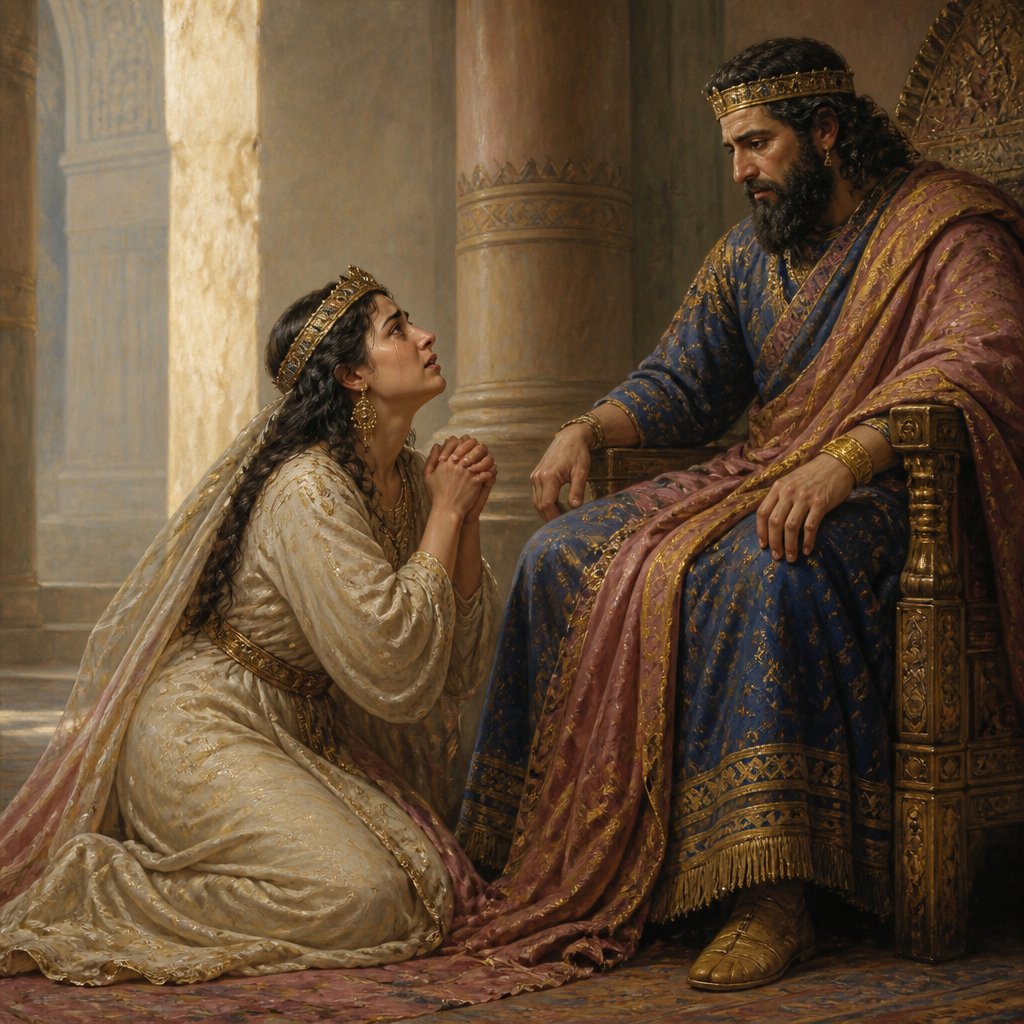
The book of Esther, a narrative that unfolds the story of a Jewish girl who rises to become queen and ultimately saves her people, presents profound truths about courage, influence, and the power of intercession. Esther 8:3 reads: "And Esther spake yet again before the king, and fell down at his feet, and besought him with tears to put away the mischief of Haman the Agagite, and his device that he had devised against the Jews."
In this poignant moment, we witness Esther, cloaked in humility, laying herself bare before King Ahasuerus. She had already approached him once, risking her life to plead for her people's salvation. Now, faced with the impending doom devised by Haman, her urgency drives her to seek the king’s favor yet again—this time, in a posture of deep distress and desperation.
**Understanding Esther’s Intercession**
Esther’s boldness in approaching the king a second time highlights the weight of her burden—the very lives of her people hang in the balance. Her demeanor, falling at the king’s feet, is a powerful display of humility and an acknowledgment of the gravity of the situation. There are times in our lives when we must fall to our knees, both literally and figuratively, and seek the Lord’s guidance and intervention with fervent hearts.
Her tears are a significant detail in this verse, illustrating the depth of her compassion and earnestness. They are not merely a sign of her sorrow; they signify the heart of an intercessor. As she pleads for her people, we see several essential characteristics of effective intercession. Esther demonstrates a profound connection to her community. Her identity as a Jew is what drives her petition. Prayer and intercession must precede action; Esther’s tears reflect a devotion to her people that goes beyond herself. She embodies the role of a mediator, stepping into the gap when her people’s needs are infinitely bigger than them.
**The Impact of a Proven Relationship**
Notice the relationship that Esther has built with the king. When she first approached him in Esther 5:1-2, she does so with intelligence and grace, and she finds favor in his sight. Her consistent and respectful approach cultivates a dynamic where she can return to him in her distress. This reminds us of our relationship with God—through prayer, worship, and obedience, we build a connection with Him that emboldens us to come before His throne in our times of need.
Esther’s strategic use of her influence inspires us to think about how we can intercede on behalf of others. In our own lives, we might not be queens, but we have platforms, relationships, and influence in various situations. Esther teaches us that even when we think our voices may not matter, we can be agents of change if we humbly advocate for others.
**God’s Sovereignty in Our Pleas**
As we meditate on Esther’s intercession before the king, we are reminded of God’s sovereignty. Her plea is not just about her passionate appeal; it echoes God's plan of redemption for His people. The peril they face serves as a backdrop for the manifestation of God’s deliverance. Similarly, our prayers, though often borne out of painful circumstances, can yield extraordinary answers through God's divine providence.
When we intercede with the understanding that our pleas are ultimately in line with God’s will, we can trust that He will work all things together for good. Romans 8:28 reflects this truth: "And we know that all things work together for good to them that love God, to them who are the called according to his purpose."
**Conclusion**
As we contemplate Esther 8:3, let our hearts be stirred to intercede boldly for others. The act of intercession is potent; it speaks to God’s love for humanity and our call to reflect that love through our actions. May we emulate Esther's courage, humility, and compassionate persistence in our prayers, knowing that through our cries, God hears the pleas of those around us.
Get our apps


Artwork for Esther 8:3

Esther 8:3 - "¶ And Esther spake yet again before the king, and fell down at his feet, and besought him with tears to put away the mischief of Haman the Agagite, and his device that he had devised against the Jews."
"¶ And Esther spake yet again before the king, and fell down at his feet, and besought him with tears to put away the mischief of Haman the Agagite, and his device that he had devised against the Jews." - Esther 8:3

Esther 8:4 - "Then the king held out the golden sceptre toward Esther. So Esther arose, and stood before the king,"

Esther 8:1 - "On that day did the king Ahasuerus give the house of Haman the Jews' enemy unto Esther the queen. And Mordecai came before the king; for Esther had told what he was unto her."

Esther 8:4

Esther 9:8 - "And Poratha, and Adalia, and Aridatha,"

Esther 8:7 - "¶ Then the king Ahasuerus said unto Esther the queen and to Mordecai the Jew, Behold, I have given Esther the house of Haman, and him they have hanged upon the gallows, because he laid his hand upon the Jews."

Esther 8:16 - "The Jews had light, and gladness, and joy, and honour."
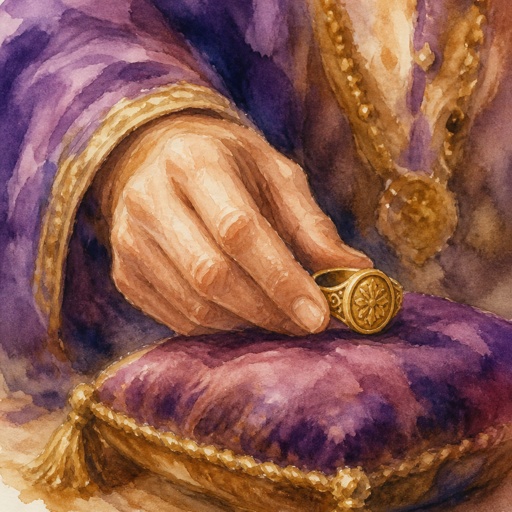
Esther 8:2 focus on the ring

"Then the king held out the golden sceptre toward Esther. So Esther arose, and stood before the king," - Esther 8:4

Esther 8:2 - "And the king took off his ring, which he had taken from Haman, and gave it unto Mordecai. And Esther set Mordecai over the house of Haman."

Esther 5:3 - "Then said the king unto her, What wilt thou, queen Esther? and what is thy request? it shall be even given thee to the half of the kingdom."
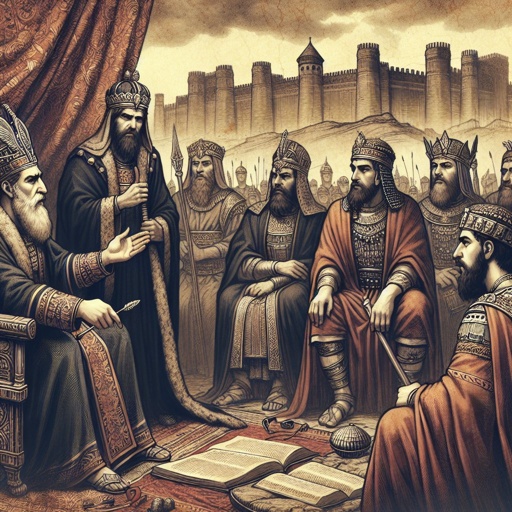
Esther 3:8 - "¶ And Haman said unto king Ahasuerus, There is a certain people scattered abroad and dispersed among the people in all the provinces of thy kingdom; and their laws are diverse from all people; neither keep they the king's laws: therefore it is not for the king's profit to suffer them."
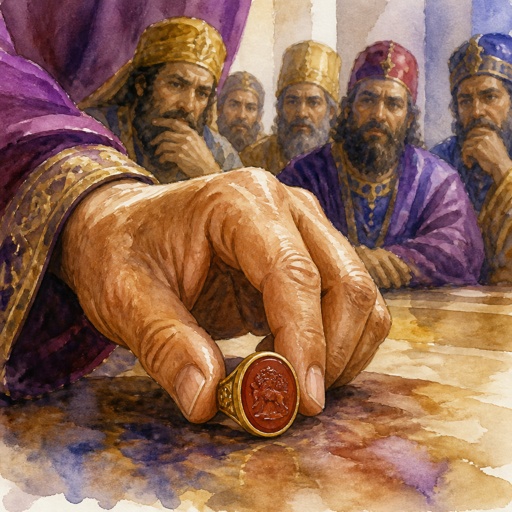
Esther 3:10 focus on ring
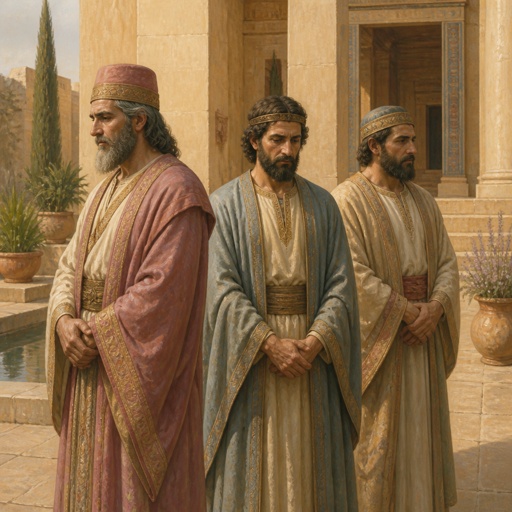
"And Poratha, and Adalia, and Aridatha," - Esther 9:8

Esther 3:3 - "Then the king's servants, which were in the king's gate, said unto Mordecai, Why transgressest thou the king's commandment?"

Esther 7:3 - "Then Esther the queen answered and said, If I have found favour in thy sight, O king, and if it please the king, let my life be given me at my petition, and my people at my request:"

Esther 2:8 - "¶ So it came to pass, when the king's commandment and his decree was heard, and when many maidens were gathered together unto Shushan the palace, to the custody of Hegai, that Esther was brought also unto the king's house, to the custody of Hegai, keeper of the women."

"On that day did the king Ahasuerus give the house of Haman the Jews' enemy unto Esther the queen. And Mordecai came before the king; for Esther had told what he was unto her." - Esther 8:1

Esther 8:8 - "Write ye also for the Jews, as it liketh you, in the king's name, and seal it with the king's ring: for the writing which is written in the king's name, and sealed with the king's ring, may no man reverse."

Esther 7:8 - "Then the king returned out of the palace garden into the place of the banquet of wine; and Haman was fallen upon the bed whereon Esther was. Then said the king, Will he force the queen also before me in the house? As the word went out of the king's mouth, they covered Haman's face."

Esther 4:8 - "Also he gave him the copy of the writing of the decree that was given at Shushan to destroy them, to shew it unto Esther, and to declare it unto her, and to charge her that she should go in unto the king, to make supplication unto him, and to make request before him for her people."

Esther 3:5 - "And when Haman saw that Mordecai bowed not, nor did him reverence, then was Haman full of wrath."
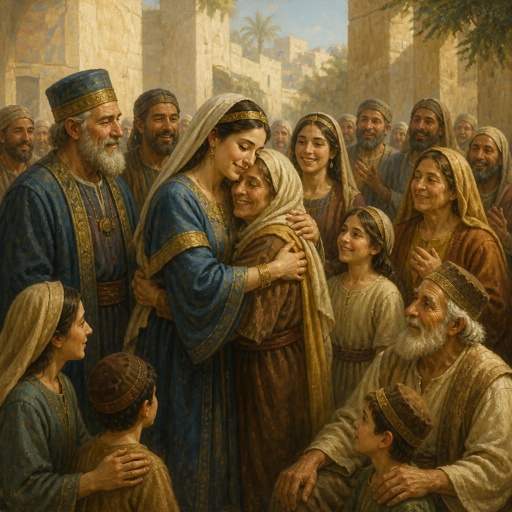
"The Jews had light, and gladness, and joy, and honour." - Esther 8:16

Esther 8:14 - "So the posts that rode upon mules and camels went out, being hastened and pressed on by the king's commandment. And the decree was given at Shushan the palace."

Esther 8:10 - "And he wrote in the king Ahasuerus' name, and sealed it with the king's ring, and sent letters by posts on horseback, and riders on mules, camels, and young dromedaries:"

Esther 8:12 - "Upon one day in all the provinces of king Ahasuerus, namely, upon the thirteenth day of the twelfth month, which is the month Adar."

Esther 9:3 - "And all the rulers of the provinces, and the lieutenants, and the deputies, and officers of the king, helped the Jews; because the fear of Mordecai fell upon them."

Esther 3:14 - "The copy of the writing for a commandment to be given in every province was published unto all people, that they should be ready against that day."

Esther 3:11 - "And the king said unto Haman, The silver is given to thee, the people also, to do with them as it seemeth good to thee."