The Golden Sceptre: A Symbol of Divine Favor
“Then the king held out the golden sceptre toward Esther. So Esther arose, and stood before the king,” — Esther 8:4
In the heart of the book of Esther, we encounter a powerful moment of divine affirmation: "Then the king held out the golden sceptre toward Esther. So Esther arose, and stood before the king" (Esther 8:4, KJV). This verse speaks volumes about God's providence, the courage of a faithful heart, and the unfathomable grace that comes when one stands in the presence of authority, guided by purpose and conviction.
The context of this moment is deeply significant. At a time when the Israelites faced annihilation, Esther found herself in a position that was both perilous and pivotal. As queen, she had the platform to influence the fate of her people, yet she also risked her life by approaching the king uninvited. Persian law dictated that anyone who entered the king's inner court without being summoned was to be put to death unless the king extended his golden sceptre as an act of mercy. Esther was acutely aware of the stakes, recognizing the gravity of her intentions and the potential consequences.
In moments of crisis, we too may find ourselves in need of divine favor and the ability to stand courageously before challenging circumstances. The golden sceptre symbolizes acceptance and favor; it is an emblem of protection extended by the authority that surely reflects the protection we have in God as His children. When we approach God in our vulnerability and seek His guidance, we, like Esther, can rise and stand with boldness before the Almighty who holds out His sceptre of grace towards us.
The act of standing before the king is significant. It is an image of to-be-committed. Esther did not hesitate; she arose with purpose in her heart, fueled by the desire to save her people. In our lives, how often do we shrink back from taking a stand? Fear and doubt may try to bind our actions, but we are called to be like Esther, rising in faith. Our faith is not merely a passive acceptance of grace, but an active response to it, a declaration that we will take our place – just as Esther did – in front of authority and amidst conflict.
Further consider the promise of God’s sovereignty amidst uncertainty. Although Esther was anxious about her approach, she moved forward trusting that God was in control. It is in our uncertainty that God often does His best work. We may not see the end from the beginning, but we can trust that He knows the path we should take. Much like Esther, we must remind ourselves that God positions us uniquely, equips us with His wisdom, and encourages us to step forward in faith, confident that He has orchestrated our circumstances for His glory.
The golden sceptre also reminds us of grace. When Esther approached the throne, she was met not with rebuke but with favor. Similarly, through Christ, we are offered unmerited favor. We stand before God not on our merits, but through the righteousness of Christ. Just as Esther was allowed to come close to the king because of his extended sceptre, we draw near to God through faith in Jesus who intercedes for us, presenting us blameless before the Father.
As you reflect on Esther 8:4, consider what it means for you to stand before your King with the awareness of His grace. What challenge are you facing that requires you to rise in faith? Where is God calling you to act courageously on behalf of others?
May we all be emboldened to approach the throne of grace with confidence, knowing that the golden sceptre is held out to us. Our King invites us close and empowers us to stand united in faith, ready to champion His cause. Let us embrace that call with courage, and rise as Esther did, for such a time as this.
Get our apps


Artwork for Esther 8:4

Esther 8:4

Esther 8:4 - "Then the king held out the golden sceptre toward Esther. So Esther arose, and stood before the king,"

"Then the king held out the golden sceptre toward Esther. So Esther arose, and stood before the king," - Esther 8:4

Esther 4:8 - "Also he gave him the copy of the writing of the decree that was given at Shushan to destroy them, to shew it unto Esther, and to declare it unto her, and to charge her that she should go in unto the king, to make supplication unto him, and to make request before him for her people."

Esther 4:15 - "¶ Then Esther bade them return Mordecai this answer,"

Esther 4:9 - "And Hatach came and told Esther the words of Mordecai."

Esther 4:10 - "¶ Again Esther spake unto Hatach, and gave him commandment unto Mordecai;"

Esther 8:1 - "On that day did the king Ahasuerus give the house of Haman the Jews' enemy unto Esther the queen. And Mordecai came before the king; for Esther had told what he was unto her."

Esther 9:8 - "And Poratha, and Adalia, and Aridatha,"

Esther 4:17 - "So Mordecai went his way, and did according to all that Esther had commanded him."

Esther 8:7 - "¶ Then the king Ahasuerus said unto Esther the queen and to Mordecai the Jew, Behold, I have given Esther the house of Haman, and him they have hanged upon the gallows, because he laid his hand upon the Jews."

Esther 4:12 - "And they told to Mordecai Esther's words."

"And Hatach came and told Esther the words of Mordecai." - Esther 4:9

"¶ Then Esther bade them return Mordecai this answer," - Esther 4:15

Esther 8:16 - "The Jews had light, and gladness, and joy, and honour."

Esther 4:13 - "Then Mordecai commanded to answer Esther, Think not with thyself that thou shalt escape in the king's house, more than all the Jews."
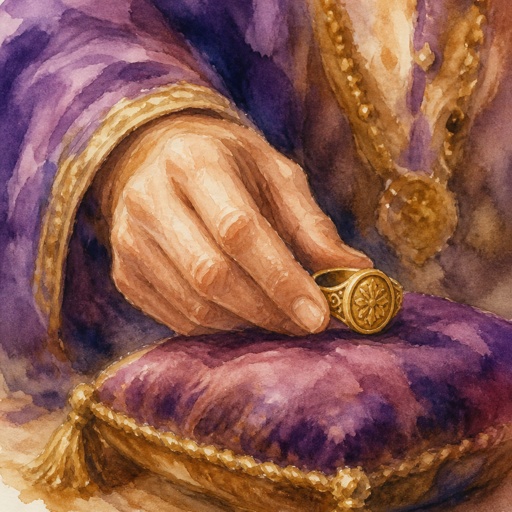
Esther 8:2 focus on the ring

Esther 5:4 - "And Esther answered, If it seem good unto the king, let the king and Haman come this day unto the banquet that I have prepared for him."

Esther 8:2 - "And the king took off his ring, which he had taken from Haman, and gave it unto Mordecai. And Esther set Mordecai over the house of Haman."

Esther 4:5 - "Then called Esther for Hatach, one of the king's chamberlains, whom he had appointed to attend upon her, and gave him a commandment to Mordecai, to know what it was, and why it was."
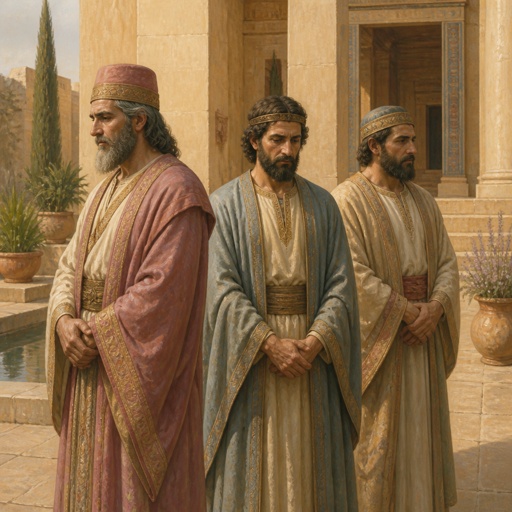
"And Poratha, and Adalia, and Aridatha," - Esther 9:8

Esther 8:3 - "¶ And Esther spake yet again before the king, and fell down at his feet, and besought him with tears to put away the mischief of Haman the Agagite, and his device that he had devised against the Jews."

"¶ Again Esther spake unto Hatach, and gave him commandment unto Mordecai;" - Esther 4:10
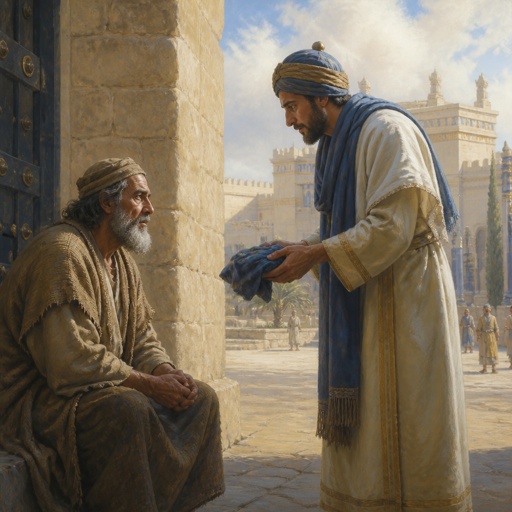
"And they told to Mordecai Esther's words." - Esther 4:12

"So Mordecai went his way, and did according to all that Esther had commanded him." - Esther 4:17

Esther 2:8 - "¶ So it came to pass, when the king's commandment and his decree was heard, and when many maidens were gathered together unto Shushan the palace, to the custody of Hegai, that Esther was brought also unto the king's house, to the custody of Hegai, keeper of the women."

"On that day did the king Ahasuerus give the house of Haman the Jews' enemy unto Esther the queen. And Mordecai came before the king; for Esther had told what he was unto her." - Esther 8:1

Esther 8:8 - "Write ye also for the Jews, as it liketh you, in the king's name, and seal it with the king's ring: for the writing which is written in the king's name, and sealed with the king's ring, may no man reverse."

Esther 7:8 - "Then the king returned out of the palace garden into the place of the banquet of wine; and Haman was fallen upon the bed whereon Esther was. Then said the king, Will he force the queen also before me in the house? As the word went out of the king's mouth, they covered Haman's face."
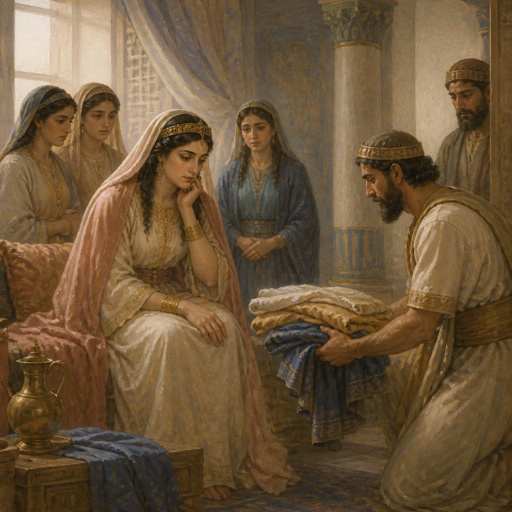
"¶ So Esther's maids and her chamberlains came and told it her. Then was the queen exceedingly grieved; and she sent raiment to clothe Mordecai, and to take away his sackcloth from him: but he received it not." - Esther 4:4